Hardik

Dr.Hardik

Author name: Admin

Blog

Mommy Makeover: A Comprehensive Guide to Post-Pregnancy Body Restoration

Mommy Makeover: A Comprehensive Guide to Post-Pregnancy Body Restoration : Pregnancy and childbirth are beautiful, life-changing experiences that can significantly impact a woman’s body. While some changes naturally reverse over time, others may persist despite diet and exercise. This is where a mommy makeover comes in – a customized combination of surgical procedures designed to help restore your pre-pregnancy body contours. What is a Mommy Makeover? A mommy makeover isn’t a single procedure but rather a personalized surgical plan that typically combines multiple procedures to address pregnancy-related changes. Each makeover is unique, tailored to individual needs and goals. Common Procedures Include : 1. Breast Surgery : Breast lift (mastopexy) to address sagging Breast augmentation to restore volume Breast reduction for oversized breasts Or a combination of these procedures 2. Abdominal Procedures : Tummy tuck (abdominoplasty) to remove excess skin Muscle repair for diastasis recti Liposuction for stubborn fat deposits 3. Additional Options : Body contouring Fat transfer Labiaplasty Ideal Candidates : You might be a good candidate if : You’ve completed your family planning You’re at a stable weight You’re in good overall health You have realistic expectations You’re at least 6 months post-pregnancy You’ve finished breastfeeding The Consultation Process : During your initial consultation, expect to : Discuss your goals and concerns Review your medical history Undergo a physical examination Learn about procedure options Receive a customized treatment plan Discuss recovery expectations Recovery and Healing – Recovery varies based on the procedures chosen: Short-term (1-2 weeks) : Take time off work Arrange childcare help Rest and follow post-op instructions Wear compression garments Manage discomfort with prescribed medication Long-term (2-6 months) : Gradual return to activities Continued healing of incisions Final results becoming visible Regular follow-up appointments Important Considerations : 1. Timing : Wait until you’ve completed childbearing Plan around your family’s schedule Consider childcare arrangements Choose a time when you can rest 2. Cost Factors : Multiple procedures Surgeon’s fees Facility fees Anesthesia Post-operative care Recovery supplies 3. Safety Measures : Choose a board-certified plastic surgeon Ensure hospital privileges Review credentials and experience Follow all pre-operative instructions Maintain open communication with your surgical team Results and Expectations : Visible improvements within weeks Final results at 6-12 months Long-lasting results with healthy lifestyle Potential need for touch-ups over time Maintaining Your Results : Follow a healthy diet Exercise regularly once cleared Stay hydrated Protect skin from sun damage Maintain stable weight Attend follow-up appointments Common Questions : Q: Will insurance cover it? A: Most mommy makeovers are considered cosmetic and not covered by insurance. However, some procedures might be covered if medically necessary. Q: How long should I wait after pregnancy? A: Most surgeons recommend waiting at least 6 months after pregnancy or breastfeeding. Q: What about scarring? A: While scarring is inevitable, techniques minimize visibility, and scars typically fade over time. Q: Can I have more children after? A: It’s recommended to wait until you’re done having children, as pregnancy can affect your results. Choosing Your Surgeon : Look for : Board certification Specialized experience in mommy makeovers Before and after photos Patient testimonials Clear communication style Comprehensive aftercare plans Conclusion : A mommy makeover can be a transformative experience for women looking to restore their pre-pregnancy body confidence. While it requires careful planning and recovery time, many women find the results well worth the investment. Remember to choose a qualified surgeon, maintain realistic expectations, and prioritize your health throughout the process. Next Steps : If you’re considering a mommy makeover : Research board-certified surgeons Schedule consultations Prepare questions Plan your timing Arrange support system Focus on overall health Remember: Every woman’s journey is unique, and there’s no “perfect” time or way to undergo a mommy makeover. The key is making an informed decision that aligns with your personal goals and lifestyle.
Blog

Understanding Genetic Factors in Plastic Surgery Outcomes

Understanding Genetic Factors in Plastic Surgery Outcomes : Body Structure and Ethnicity : Skeletal Framework – Northern European/British patients often present with: Straighter body contours Less natural hip-to-waist ratio Longer torsos Narrower pelvic structures Makes achieving dramatic hourglass figures more challenging surgically Latin American/Mediterranean patients typically have : More natural curves Shorter torsos Wider pelvic bones Better foundation for enhanced curves through surgery Fat Distribution Patterns : – Asian patients often show:   More visceral (internal) fat Stubborn upper arm fat deposits More resistant lower face fat pads Making dramatic body contouring results more challenging – African patients typically present with : More subcutaneous fat Better fat transfer retention More even fat distribution More favorable response to liposuction Skin Characteristics and Scarring Tendencies : – African, Filipino, and some Asian populations : Higher risk of keloid formation Hypertrophic scarring more common Requires more aggressive scar management May need prophylactic treatments – Northern European skin typically : Forms thinner scars Lower keloid risk Better response to standard scar treatments More predictable healing Skin Elasticity : – Mediterranean/Middle Eastern skin often : Shows better elasticity Ages more gradually Responds well to skin-tightening procedures Better maintenance of results – East Asian skin characteristics: Thicker dermis More collagen density Later onset of aging signs Can be more challenging for precise surgical manipulation Muscle Development : – Northern European genetics often show: Faster muscle response to training Leaner muscle mass More defined muscle separation – Asian genetics typically present: Denser muscle tissue Less visible muscle definition Different response to body contouring Aging Patterns : Face and Neck – Caucasian patients : Earlier onset of fine lines More rapid volume loss Earlier neck laxity More sun damage susceptibility – Asian patients : Later onset of wrinkles More midface descent Less neck laxity Better natural volume preservation Body Changes : – Mediterranean/Middle Eastern women: Better maintenance of curves with age More gradual loss of skin elasticity Different fat redistribution patterns Clinical Implications – Surgical Planning : – Must consider genetic factors in : Technique selection Incision placement Recovery protocols Expected outcomes Patient Education: – Important to discuss : Realistic expectations based on genetic framework Potential complications specific to ethnic background Long-term maintenance requirements Genetic limitations of desired outcomes Recovery Considerations : – Customized post-op care based on: Skin type Healing tendencies Scarring risk Ethnic-specific complications Conclusion : Understanding these genetic variations is crucial for : Setting realistic expectations Choosing appropriate surgical techniques Developing proper post-operative care Achieving optimal results within genetic limitations This knowledge helps us provide better care and more predictable outcomes while respecting and working with each patient’s unique genetic blueprint

Blog

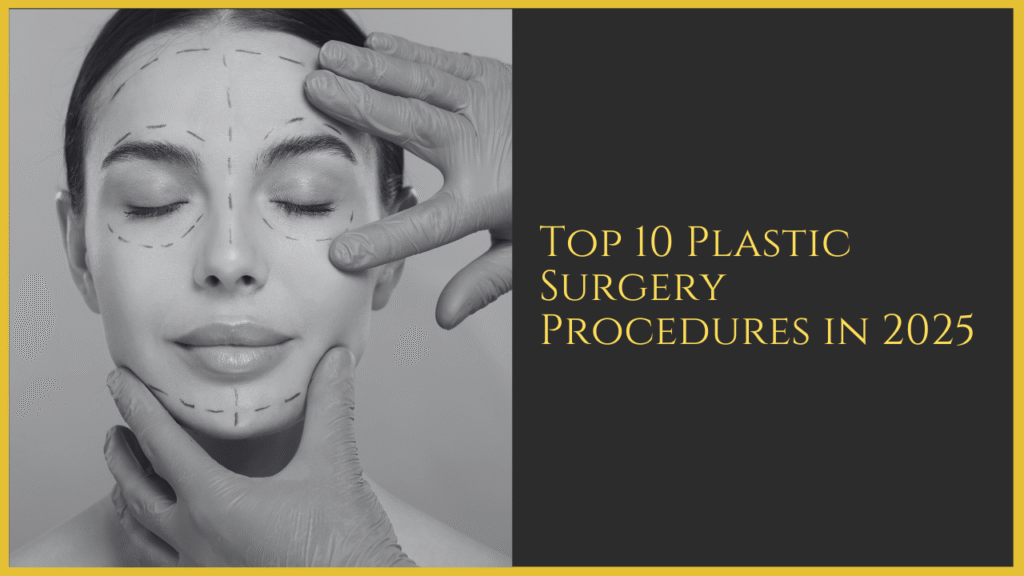
Top 10 Plastic Surgery Procedures in 2025: Trends, Statistics and Why They Are Popular By Dr. Hardik Ganatra Board Certified Plastic Surgeon | Dubai, UAE

Top 10 Plastic Surgery Procedures in 2025: Trends, Statistics and Why They Are Popular By Dr. Hardik Ganatra Board Certified Plastic Surgeon | Dubai, UAE Introduction : As a board certified plastic surgeon in Dubai specializing in body contouring and non surgical facial aesthetics, I have witnessed firsthand the evolving trends in cosmetic surgery. The American Society of Plastic Surgeons (ASPS) 2023 Statistics Report reveals fascinating insights into the most sought after procedures globally, many of which align with Dubai’s booming medical tourism industry. In this blog, I will break down the top 10 plastic surgery procedures in 2024, with a special focus on liposuction, tummy tucks, and Brazilian Butt Lifts (BBL), my areas of expertise. Whether you are considering a procedure or simply curious about trends, this guide will help you understand why these treatments dominate and how Dubai’s advanced techniques deliver world class results. Liposuction – The Gold Standard of Body Sculpting Why It Is Number 1 : ASPS Rank: Consistently the number one surgical procedure worldwide, with over 325,000 procedures performed in 2023. Popularity Drivers: Targets stubborn fat resistant to diet and exercise, including abdomen, thighs, and arms. Complements weight loss journeys, including post bariatric patients. Minimal scarring with advanced techniques like VASER liposuction. Dubai’s Advantage: The best liposuction in Dubai combines precision fat removal with simultaneous skin tightening using technologies such as Renuvion J Plasma. Medical tourism appeal: Patients fly in for high definition liposuction and quick recovery protocols. Dr. Hardik Ganatra’s work: Tummy Tuck (Abdominoplasty) – For a Flatter, Firmer Stomach   Why It Is Trending ASPS Rank: Among the top five surgical procedures with more than 160,000 performed in 2023. Popularity Drivers: Post pregnancy muscle repair and excess skin removal. Often combined with liposuction for complete 360 degree body contouring, such as Mommy Makeovers. High success rates in Dubai due to experienced surgeons and strong safety standards. Dr. Hardik Ganatra’s work: Brazilian Butt Lift (BBL) Why It Is Growing ASPS Rank: One of the fastest growing body procedures, with a 26 percent increase since 2020. Popularity Drivers: Natural results using your own fat. Dual benefit of liposuction plus buttock enhancement. Social media driven demand. Dubai’s Safety Standards BBL procedures in Dubai prioritize fat survival and safe injection techniques to avoid vascular complications. Non surgical options such as hyaluronic acid fillers are available but temporary and last 12 to 18 months. Dr. Hardik Ganatra’s work: Arm Lift (Brachioplasty): Post Weight Loss Demand Often combined with liposuction for smoother and more defined arm contours. Non Surgical Treatments Top Picks in Dubai Botox, fillers, and thread lifts have grown by nearly 30 percent in 2024. Breast Augmentation – Implants or Fat Transfer : Key Statistics ASPS Rank: Second most popular surgical procedure with more than 290,000 surgeries in 2023. Dubai Trend: High demand for natural looking teardrop implants and fat transfer augmentation among younger patients. Rhinoplasty : Why It Is Popular Remains the number one facial procedure worldwide. Very popular in the Middle East for ethnic rhinoplasty. Eyelid Surgery (Blepharoplasty) : Dubai’s Appeal Short downtime of 7 to 10 days makes it ideal for professionals. Facelift : Trend Shift Increasing popularity of mini facelifts among younger patients in their 40s. Gynecomastia Surgery : ASPS Data Male procedures have risen 25 percent since 2019. Final Notes : Whether you are considering liposuction, a tummy tuck, or a BBL in Dubai, choosing a board certified surgeon is essential. As a specialist in body contouring, I focus on natural results, safety, and personalized care. Ready to transform your body and confidence Book a consultation with Dr. Hardik Ganatra, Dubai’s leading body contouring expert.

Blog

Beyond Beauty: An Ethical Framework for Aesthetic Surgery By Dr. Hardik Ganatra

Beyond Beauty: An Ethical Framework for Aesthetic Surgery By Dr. Hardik Ganatra After years of practicing aesthetic plastic surgery, I’ve come to realize that our work extends far beyond physical transformation. As surgeons who literally reshape people’s bodies, we carry a profound responsibility that merges technical skill with psychological insight. Today, I want to share my personal framework for ethical decision-making in aesthetic practice—insights I’ve gained from both sides of the scalpel, as both practitioner and patient. Understanding the “Why” Behind the “What” The most important question I ask during initial consultations isn’t about what procedure a patient wants—it’s about *why* they want it. When the “why” is clear, the “how” becomes easy. This simple principle has transformed my practice. A patient’s motivation reveals everything about whether surgery will ultimately bring them satisfaction. I’ve observed that patients generally fall into two distinct categories: The Perpetually Dissatisfied: These patients often approach surgery from a place of emotional wound rather than self-improvement. Warning signs include:     Using surgery to save troubled relationships Seeking procedures immediately following major life traumas like divorce Inability to accept natural body changes (particularly post-pregnancy) Unclear or constantly shifting aesthetic goals External pressure from partners or family members   The Contentedly Improved: These patients approach enhancement from a foundation of self-acceptance. Positive indicators include:      Long-standing, specific concerns that have bothered them personally Realistic expectations about outcomes A secure sense of self-worth independent of appearance Motivation coming from personal desire rather than external validation Mature understanding of what surgery can and cannot accomplish     This dichotomy isn’t just theoretical—it reliably predicts post-surgical satisfaction. Even “perfect” technical results won’t satisfy someone seeking surgery for the wrong reasons, while those with healthy motivations find joy in even modest improvements.     The Ethical Consultation Process My consultation process has evolved to address these realities: Start with why, not what: “What bothers you about this area, and why is addressing it important to you now?” Listen for psychological flags: Does their motivation come from self-acceptance or self-rejection? Are they using terms like “fixing” or “correcting” themselves? The courage to pause: When motivations raise concerns, I’m not afraid to recommend reflection and a second consultation rather than immediate scheduling. Define success together: We explicitly discuss what constitutes a successful outcome beyond just physical changes.     This approach sometimes means turning away patients—something that can be difficult in a commercial practice. But I’ve found that honoring my ethical compass brings a more profound satisfaction than simply growing my patient numbers.     The Surgeon’s Journey: Personal Reflections As someone who has personally undergone multiple cosmetic procedures including three hair transplants and regular Botox and fillers, I understand the complex psychology of enhancement firsthand.  This personal experience has deepened my empathy while also alerting me to the seductive nature of perpetual enhancement. When is it enough? How do we balance improvement with acceptance? These questions challenge me both personally and professionally. I’ve learned that the most satisfied patients—like the most satisfied practitioners—approach enhancement from a place of self-acceptance rather than self-rejection. The procedure becomes an expression of self-care rather than an attempt to erase perceived inadequacy.     Beyond Technical Excellence: Finding Deeper Professional Fulfillment At this stage in my career, I’ve discovered that technical excellence alone doesn’t create professional fulfillment. Instead, I find the deepest satisfaction in knowing I’ve helped the right patients for the right reasons. Young surgeons often focus exclusively on perfecting their technical skills—and while excellence is essential, ethical discernment is equally important to sustainable practice. The ability to say “no” when appropriate may be as valuable as your ability to achieve exceptional results. The patients who thank me most profoundly are rarely expressing gratitude for technical perfection alone—they’re thanking me for transformation that aligns with their authentic selves.       For Younger Surgeons: Developing Your Ethical Framework To those beginning their aesthetic surgery journey, I offer these principles: Develop psychological insight alongside technical skill. Learn to read the emotional subtext of patient requests. Define personal boundaries early. What kinds of cases align with your values? What motivations would cause you to decline? Value integrity over growth. A smaller practice built on ethical principles brings more sustainable satisfaction than rapid expansion without discernment. Create processes that protect vulnerable patients. Consider formal psychological screening for major procedures. Practice self-reflection. Regularly examine your own relationship with beauty and enhancement to ensure it doesn’t unduly influence your practice.        Ultimately, our work as aesthetic surgeons exists at the delicate intersection of physical transformation and psychological wellbeing. The most meaningful success comes not just from beautiful results but from improving lives in a way that honors the whole person. The question I now ask myself with each patient isn’t simply “Can I achieve their desired result?” but “Will achieving this result genuinely enhance their wellbeing?” This shift in perspective has transformed not only my practice but my relationship with my work. When we approach aesthetic surgery with this ethical framework, we elevate our profession from mere technical service to a healing art that honors the profound trust our patients place in us. Dr. Hardik Ganatra is a board-certified plastic surgeon specializing in aesthetic procedures with 10+ years of experience. This blog reflects personal views developed throughout years of clinical practice and is intended to spark thoughtful discussion about the ethical dimensions of aesthetic surgery.  

Blog

Best Skin Treatments for Tight and Glowing Skin

The European languages are members of the same family. Their separate existence is a myth. For science, music, sport, etc, Europe uses the same vocabulary. The languages only differ in their grammar, their pronunciation and their most common words. Everyone realizes why a new common language would be desirable.

Inspiration

Sculpting Beauty: The Art ofFace and Body Contouring

The European languages are members of the same family. Their separate existence is a myth. For science, music, sport, etc, Europe uses the same vocabulary. The languages only differ in their grammar, their pronunciation and their most common words. Everyone realizes why a new common language would be desirable.

Treatments & Procedures

Liposuction: What It Is, Surgery, Recovery & Results

The European languages are members of the same family. Their separate existence is a myth. For science, music, sport, etc, Europe uses the same vocabulary. The languages only differ in their grammar, their pronunciation and their most common words. Everyone realizes why a new common language would be desirable.

Scroll to Top