SLIMMER & TONED THIGHS
Thigh Liposuction In Dubai For Smooth & Well Defined Thighs
“Doctor, my thighs feel too heavy for my body.”
This is usually how the consultation starts.
Most patients are not coming to me asking for “skinny legs.”
They are usually saying something much more practical.
- “My thighs rub when I walk.”
- “My jeans fit my waist but feel tight on my thighs.”
- “I lose weight from my upper body, but my thighs do not change.”
- “My knees make my legs look heavy.”
- “I avoid shorts and fitted gym wear because of my thighs.”
So when I examine the thighs, I do not start with, “How much fat can I remove?”
I start with a simpler question:
- “What exactly bothers you?”
Because the answer changes the whole plan.
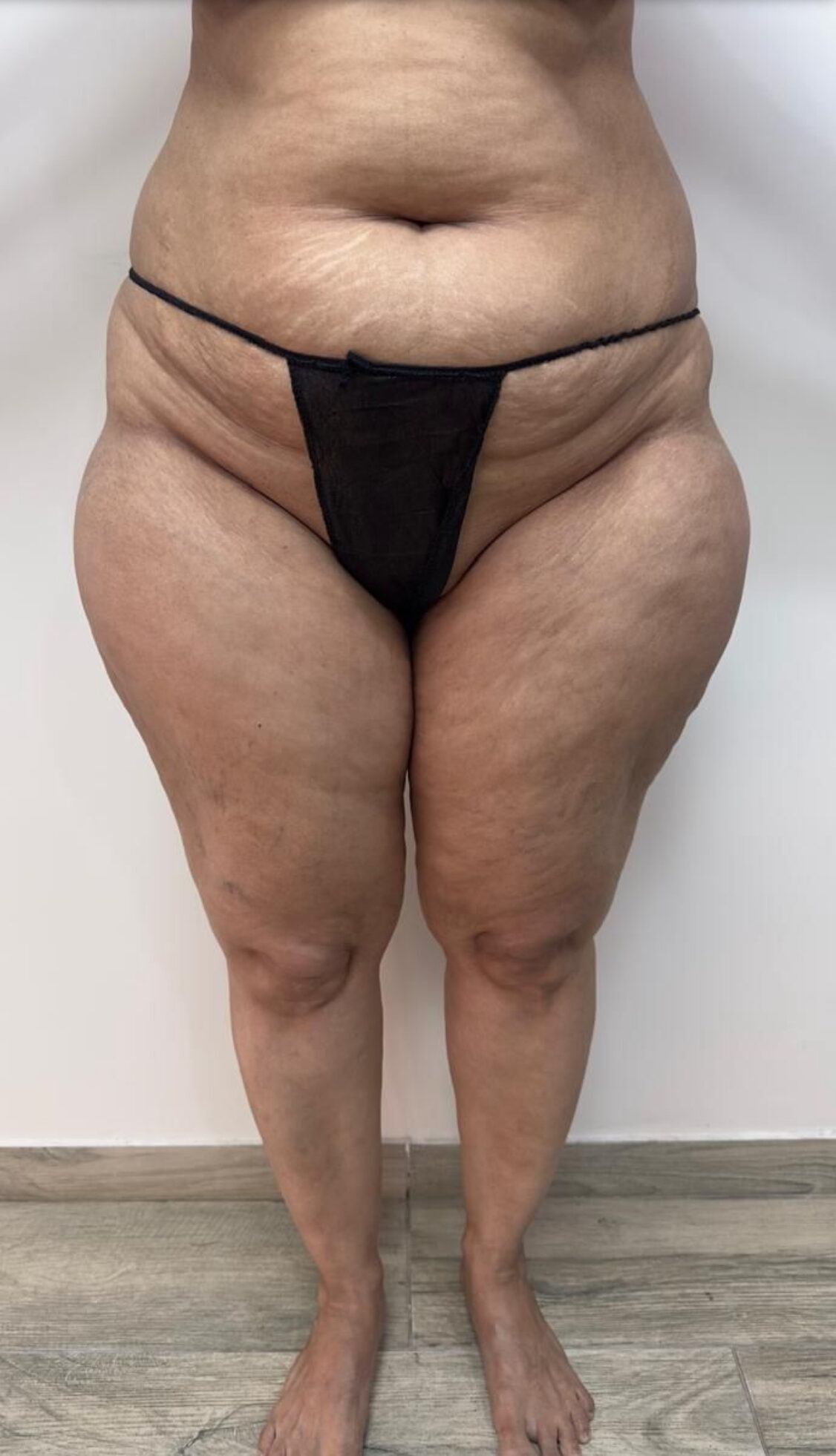
For one patient, it is rubbing. For another, it is saddle bags. For another, it is the knees. For another, it may not be fat at all - it may be loose skin or lipedema.
What exactly bothers you - rubbing, saddle bags, knees or heaviness?
Thigh liposuction is not a copy-paste operation.
I do not treat every thigh the same way.
The inner thigh, outer thigh, front thigh, back thigh, banana roll and knee all change the leg differently. That is why I look at the full leg before planning surgery.
If the thigh becomes slimmer but the knee is still puffy, the result can still look heavy. If the outer thigh is treated but the hip is ignored, the lower body may still look wide. If the inner thigh is over-treated, the skin can become loose.
So the plan is not just, “remove fat.”
The plan is: where to reduce, where to protect, and where to stop.
In most cases, I use VASER with power-assisted liposuction. VASER helps loosen the fat. PAL helps me remove the fat more smoothly and with better control.
But the machine is not the main thing. The important part is knowing what should be removed and what should be left alone.

Inner thighs: when rubbing is the real complaint
Inner thighs are very personal for patients.
They usually do not say, “I have fat here.”
- “My thighs rub.”
- “I get friction when I walk.”
- “I do not feel comfortable in dresses.”
- “In summer, this area really bothers me.”
Inner-thigh liposuction can help reduce that fullness. But this is also one area where I am very careful.
The skin here can be delicate. If I remove too much fat, the skin may look loose, wrinkled or irregular.
So I am not trying to create a forced thigh gap. I am trying to reduce the rubbing and heaviness while keeping the skin safe.
Outer thighs and saddle bags: when the lower body looks wide
Saddle bags are different. Patients usually notice them in jeans, fitted dresses or gym leggings.
- “My waist is small, but my outer thighs make me look wide.”
- “My jeans are tight on the sides of my thighs.”
With saddle bags, I am not trying to erase the side of the thigh.
A completely flat outer thigh can look unnatural. What I want is a softer line - so the waist, hip and thigh look like they belong to the same body.
“Doctor, why are you looking at my knees? I came for my thighs.”
Patients are often surprised when I start talking about the knees.
But knees can change the whole look of the leg.
A thigh may become slimmer, but if the inner knee or front knee is still bulky, the leg can still look heavy.
That is why I usually include the knees in a proper thigh liposuction plan.
For me, the thigh and knee should not look like two separate areas. They should blend naturally.
What about banana rolls and the back of the thighs?
The back of the thigh and banana roll area also need judgment.
Some fullness under the buttock is normal. If I remove too much, the buttock-thigh junction can look empty or unnatural
If there is loose skin, cellulite or buttock sagging, I have to be careful. Removing fat from that area may make it look emptier instead of better.
Sometimes the honest answer is not more liposuction. Sometimes we need to discuss cellulite treatment, skin tightening, buttock lift or thigh lift depending on what is really happening.
“Will this also improve my cellulite?”
A lot of patients ask this.
And the honest answer is: not always.
Cellulite is not just fat. If the dimples are caused by tight bands pulling the skin down, liposuction will not release those bands.
Liposuction can reduce volume, but cellulite may need a separate treatment like Avéli or needle subcision.
And if the skin itself is loose, then even cellulite treatment may have limits.
What if the problem is loose skin?
This is where I sometimes slow the consultation down.
A patient may come in saying, “I want thigh liposuction.” But when I examine her, the real issue may be loose skin - especially after weight loss, bariatric surgery, Ozempic, Mounjaro or other GLP-1 weight-loss treatments.
If I remove more fat from already loose skin, the thigh may look emptier, not better.
J-Plasma may help selected patients with mild skin laxity. But if the skin is clearly hanging, a thigh lift may be the more honest option.
What if this is lipedema, not normal fat?
Some patients are not dealing with normal stubborn fat. They may have lipedema.
These patients often describe legs that feel heavy, painful, swollen or tender. They may bruise easily. They may lose weight from other areas, but the thighs, knees or legs still stay disproportionately large
If I suspect lipedema, I tell the patient clearly:
“This is not just cosmetic thigh liposuction.”
The planning is different. The compression is different. The aftercare is different. The expectations are different.
Can thigh liposuction be athletic or high-definition?
In selected lean and athletic patients, thigh liposuction can be more refined.
The plan may be to clean the inner-thigh line, improve the knee shape, soften saddle bags, or make the transition from thigh to leg look more athletic.
This only works in selected patients. If the patient already has good muscle tone and good skin, we can sometimes make the thigh look more athletic.
But if the skin is loose or the thigh is too heavy, chasing high-definition lines can look unnatural.
“Doctor, I already had thigh liposuction, but it still does not look right.”
I see this quite often.
Sometimes fat was left behind. Sometimes the knees were not treated. Sometimes one side looks different. Sometimes there are dents. Sometimes the skin became loose.
Revision thigh liposuction is more difficult because the tissue has already been operated on.
There may be scar tissue. The skin may not behave the same way again. So I first need to understand the problem before promising correction.
If it is fat left behind, revision liposuction may help. If it is a dent, fat transfer may be needed. If it is loose skin, a thigh lift may be the more honest answer.
How I plan thigh liposuction
The first step is standing assessment and marking. Fat looks different when a patient is lying down, so I mark the thighs while the patient is standing.
I mark what needs to be reduced, but I also mark what needs to be protected. That is important. Good thigh liposuction is not only about removing fat; it is also about knowing where not to remove too much.
During surgery, tumescent fluid is placed into the fat, VASER is used to loosen the fat, and PAL is used to remove it carefully. J-Plasma is added only when I feel mild skin tightening may genuinely help.
Thigh liposuction is usually a day-case procedure. Some patients may stay one night if the case is larger or combined with other areas.
Recovery - what patients actually feel
I usually tell patients that thigh liposuction is not the most painful procedure, but the swelling can be annoying.
The thighs can feel tight, heavy and bruised. Swelling may also travel down to the knees, ankles and feet in the first couple of weeks.
This can worry patients if they are not expecting it, so I always mention it before surgery. It usually settles gradually.
Most patients walk around the house the same day. Compression and lymphatic massage are important, but patience is also important. Thighs take time to settle.
In my practice, compression is usually worn for 6 to 12 weeks. Lipedema patients may need compression for around 3 months. Lymphatic massage usually starts from day 2, and around 10 to 20 sessions may be advised depending on swelling and the extent of surgery.
Work from home is usually possible after around 7 days. Office work can usually start after about 1 week. Gym may start around 3 to 4 weeks, but lower-body training is usually delayed until around 6 weeks.
The final shape does not come in one week. It settles over months.
Cost of Thigh Liposuction in Dubai
Approximate starting prices:
| Procedure | Starting Price (AED) |
|---|---|
| VASER thigh + knee liposuction | From AED 30,000 excluding VAT |
| Thigh + knee liposuction with J-Plasma | From AED 35,000 excluding VAT |
The final price depends on the areas treated, skin quality, whether J-Plasma is needed, and whether this is a first-time or revision case.

Why Choose Dr. Hardik Ganatra
Thigh liposuction is not just about making the legs smaller.
It is about understanding why the legs look heavy in the first place.
Is it inner-thigh rubbing? Is it saddle bags? Is it puffy knees? Is it banana roll fullness? Is it loose skin? Is it lipedema? Is it a previous liposuction problem?
Each answer needs a different plan.
As a recreational natural bodybuilder, Dr. Ganatra looks at thighs in terms of shape, movement, muscle, proportion and how the legs look in real life - not just in a still photo.
His approach is simple: understand the complaint, reduce only what needs to be reduced, protect the skin, include the knees when needed, avoid over-removal, and keep the result natural.
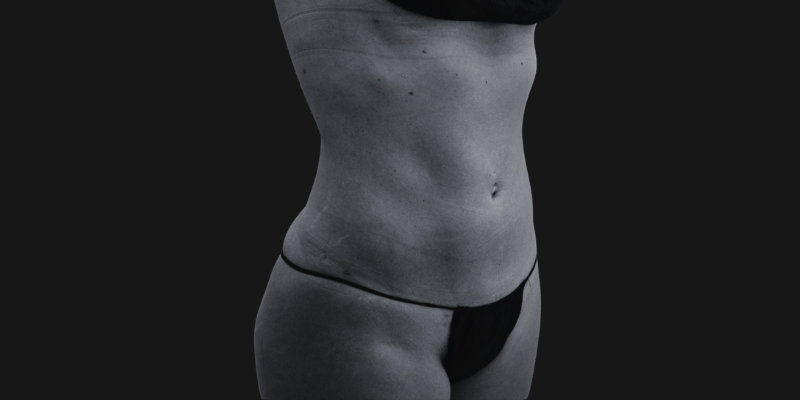
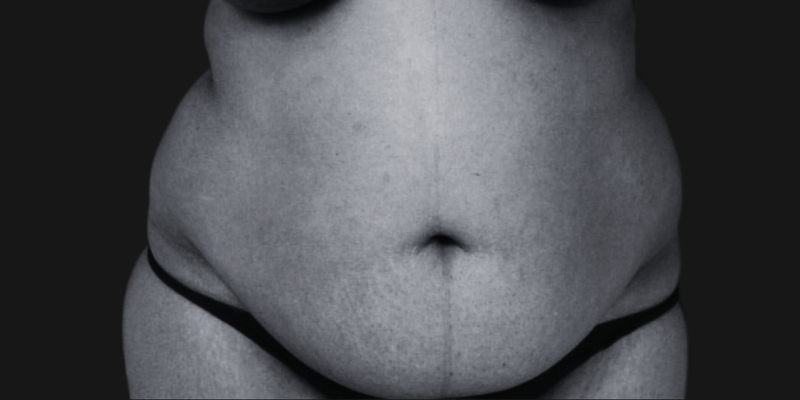
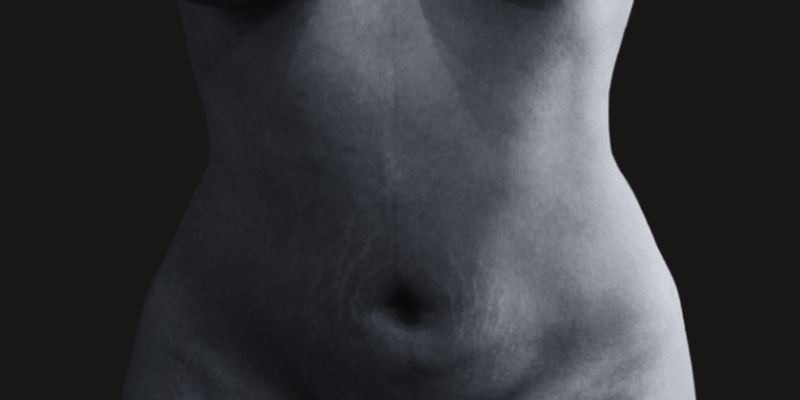
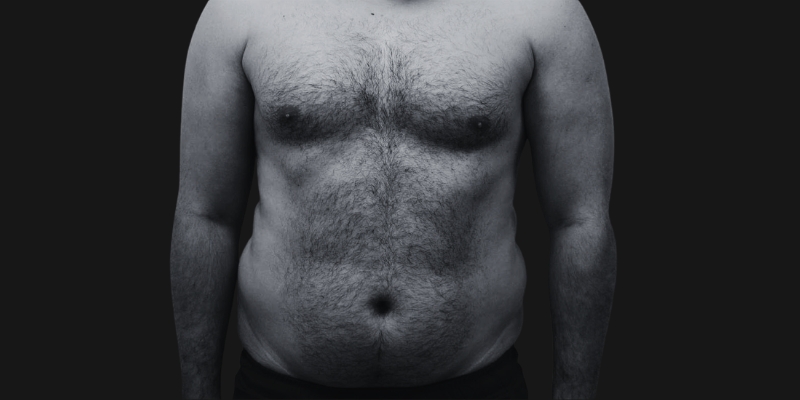
Thigh Liposuction
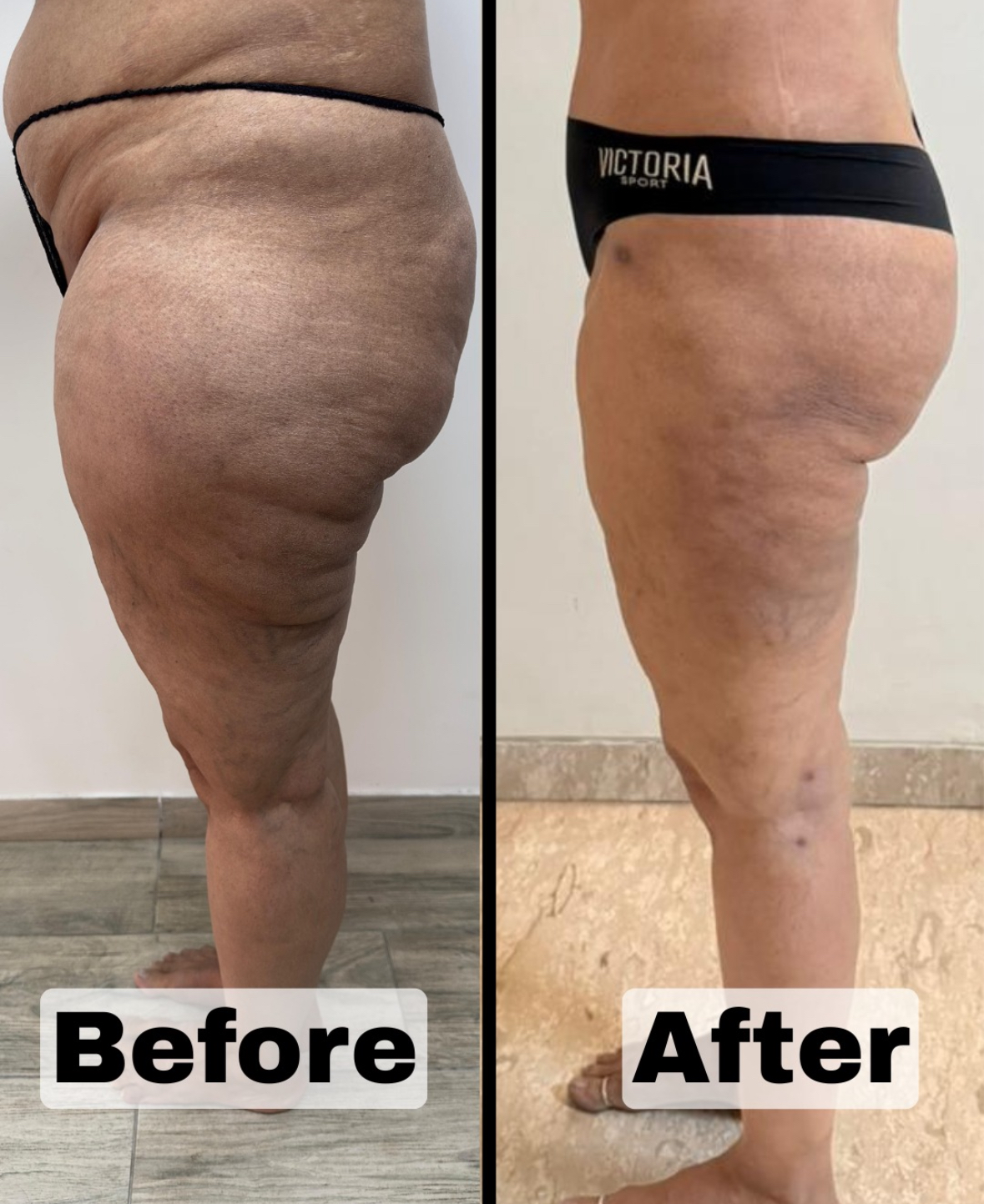
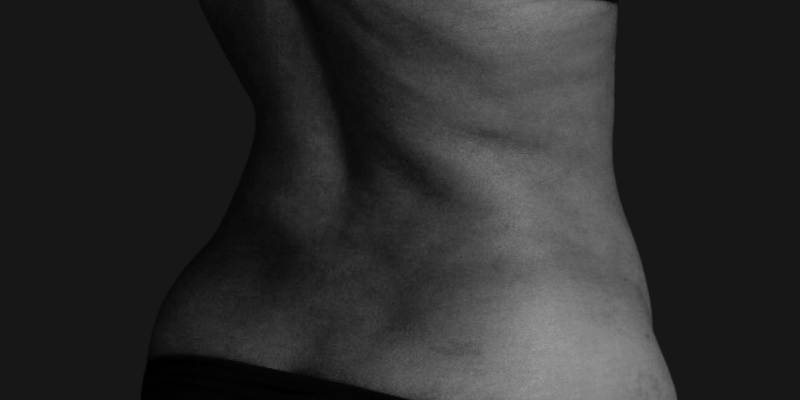
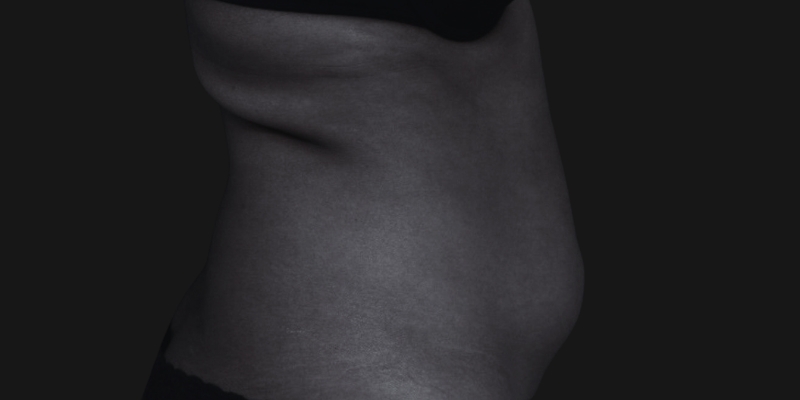
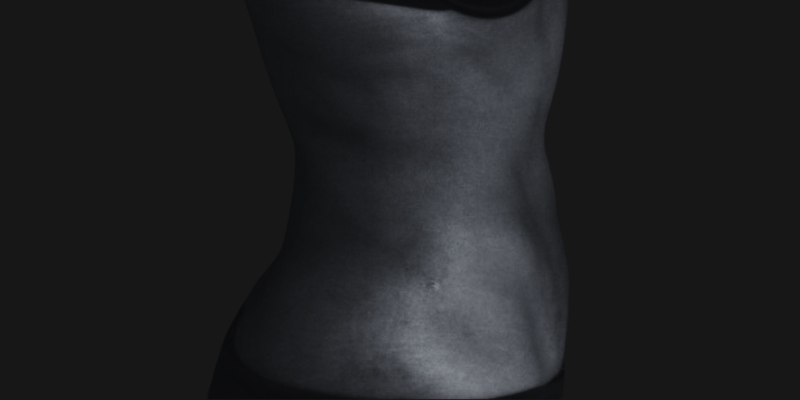
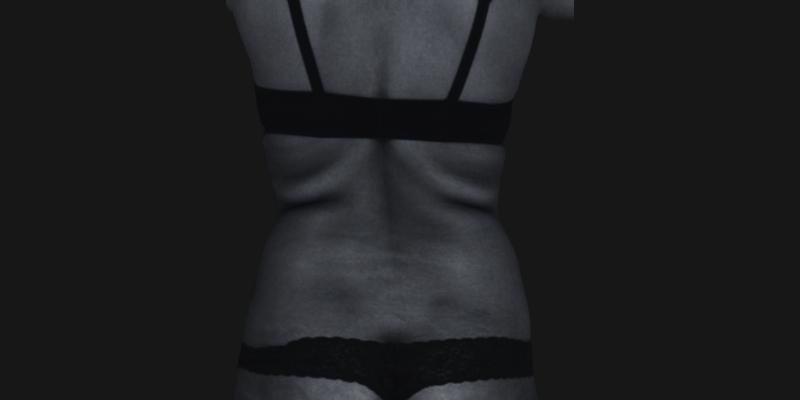
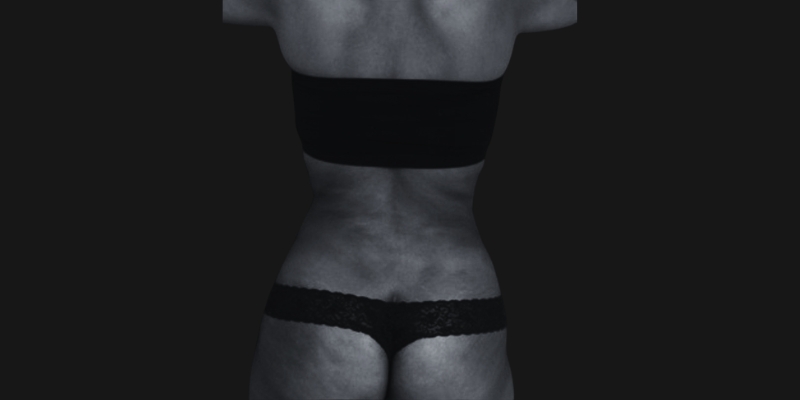
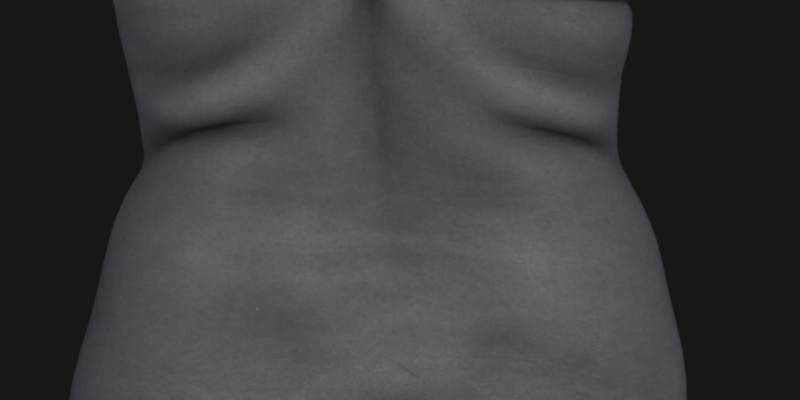
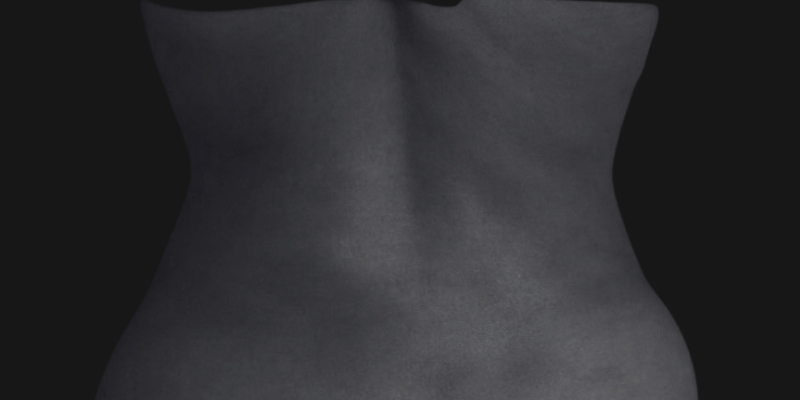
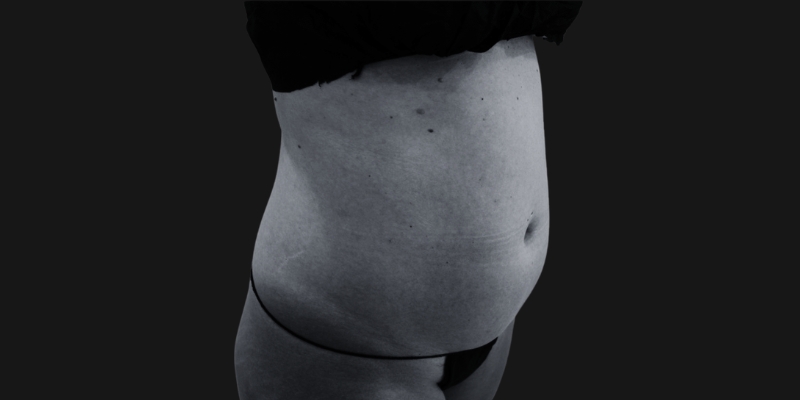
Before & After
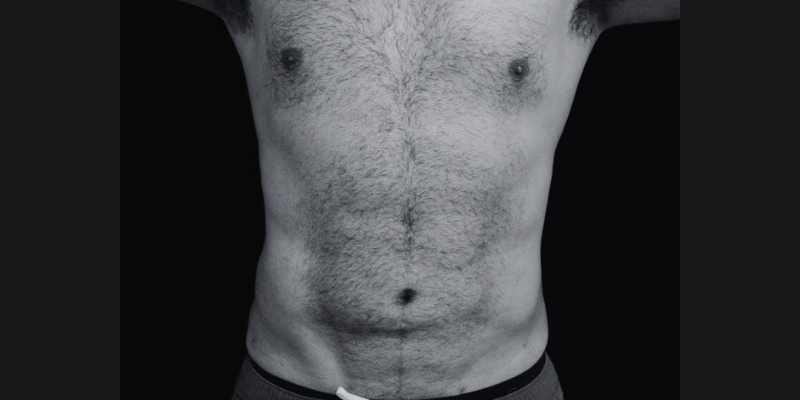
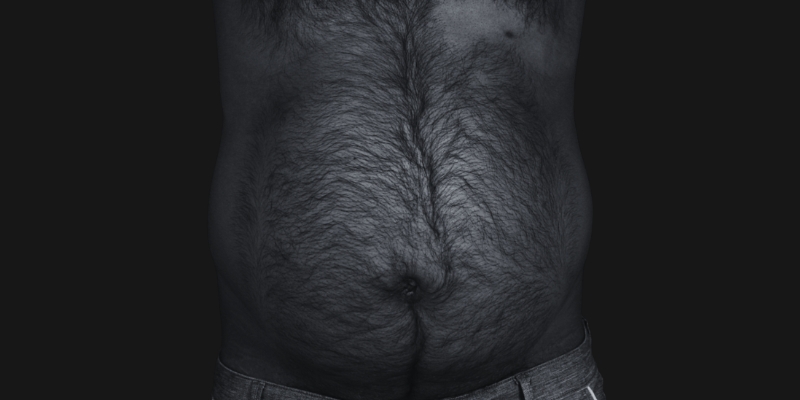
View real transformations that showcase natural definition and proportionate shape enhancement. Each result represents thoughtful contouring, not overcorrection.
Frequently Asked Questions
Can thigh liposuction make my thighs thinner?
Yes, if the heaviness is coming from fat. But Dr. Ganatra does not aim for overly thin or unnatural legs.
The aim is to make the thighs look lighter and more proportionate with the rest of the body.
Does thigh liposuction include the knees?
In Dr. Ganatra’s practice, proper thigh liposuction usually includes the knees. If the thigh is reduced but
the knee stays puffy, the leg can still look heavy.
Will thigh liposuction stop thigh rubbing?
It can help if the rubbing is mainly because of inner-thigh fat. But skin quality, anatomy and how much
safe reduction is possible still need to be checked during consultation.
Does thigh liposuction treat cellulite?
No. Liposuction removes fat. Cellulite may need Avéli, needle subcision or another cellulite treatment.
Will I need J-Plasma?
Only if there is mild skin laxity and Dr. Ganatra feels skin tightening may help. It is not a replacement for
a thigh lift.
When do I need a thigh lift instead?
If the main problem is loose hanging skin, especially after weight loss, liposuction may not be enough. In
that case, a thigh lift may give a better result.
When can I go back to work?
Many patients can work from home after about one week and return to office work around the same
time, depending on comfort and swelling.
When can I go back to the gym?
Upper-body training may start earlier, but lower-body training usually waits longer. Most patients start
gym around 3 to 4 weeks, and lower-body training is usually delayed until around 6 weeks.
Book a Consultation
If back rolls, bra rolls, upper back fat, lower back fullness, love handles or an undefined waistline are something you want to address, a consultation is the right first step. I'll assess the back alongside the waist, flanks, abdomen and skin quality, and recommend the right option — isolated back liposuction, VASER, J-Plasma, Lipo 360, revision, high-definition sculpting, or a back lift if loose skin is the main concern.
Medical disclaimer
This page is for education only and is not personal medical advice. Every patient’s thigh shape, fat distribution, skin quality, cellulite, lipedema history, previous surgery and expectations are different. A consultation with Dr. Hardik Ganatra is needed before deciding whether thigh liposuction, J-Plasma, lipedema liposuction or thigh lift is right for you.