BOTOX IN DUBAI
Fresh. Natural. You — Just Without the Wrinkles.
Botox is the most performed aesthetic treatment in the world — and for good reason. When done well, by someone who understands facial anatomy and proportion, it’s one of the most effective tools we have for softening wrinkles, refining facial features, and keeping the face looking fresh without looking frozen.
In my practice in Dubai, I use Botox and Dysport as my primary neurotoxins — both from established, trusted brands with excellent safety records and predictable results. What changes between patients is not the product — it’s the approach. The dose, the placement, the depth, the understanding of your facial dynamics. That’s what separates a natural result from one that looks like you’ve had something done.
What Is Botox and How Does It Work?
Botox — and all neurotoxins — contain a purified form of botulinum toxin type A. The mechanism is straightforward: it temporarily blocks the release of a chemical called acetylcholine at the junction between the nerve and the muscle. Without that signal, the muscle can’t contract. And when the muscle can’t contract, the overlying skin smooths out.
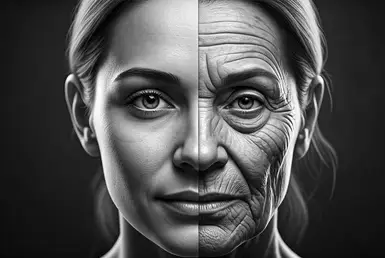
The key word is dynamic wrinkles — wrinkles formed by repeated facial movement. Frowning, squinting, raising your eyebrows, smiling. These are the wrinkles Botox addresses. Static wrinkles — those present even when your face is at rest — are a different issue and typically require fillers or skin resurfacing rather than Botox alone.
Results begin to appear within 2–5 days. Full effect at around 2 weeks. Duration typically 3–4 months, depending on your metabolism, muscle strength, and the dose used.
Botox and Dysport — What’s the Difference?
Both are botulinum toxin type A. Both work on the same principle. But they’re not identical — and understanding the difference helps set accurate expectations.
Botox by Allergan
The original and most well-known brand. Moderate spread, very precise, predictable, and extensively studied. My go-to for areas where precision matters most — around the eyes, the upper lip, the nose.
Dysport by Galderma
Slightly wider spread than Botox, which means fewer injection points are sometimes needed to cover an area. Onset may be slightly faster. Often preferred for larger muscle groups like the forehead and masseter.
Other neurotoxins I work with
- Xeomin — a “naked” neurotoxin with no accessory proteins, which may reduce the risk of antibody formation over time. Potentially longer duration for some patients.
- Nabota, Botulex, Jeuveau — all approved type-A neurotoxins, each with their own profile, used based on clinical indication and patient history.
One important note — units are not interchangeable between brands. Dysport units are not the same as Botox units. Every product has its own dosing calculation. I adjust doses for the product being used — not from a generic template.
Where I Use Botox in My Practice
The Upper Face — The Most Common Area
Forehead Wrinkles
The horizontal wrinkles that form when you raise your eyebrows. Treated by relaxing the frontalis muscle. The key here is balance — too much and the brow drops, too little and the wrinkles don’t smooth. I use conservative doses in the upper forehead to maintain natural expression while softening the wrinkles.
Frown Lines (Glabella — The “11s”)
The vertical wrinkles between the eyebrows that form when you frown. One of the most popular treatments globally — and one of the most effective. Relaxing the corrugator and procerus muscles softens these wrinkles and can give the brow a slightly more open, lifted appearance.
Crow’s Feet
The fine wrinkles at the outer corners of the eyes that form when you smile or squint. Treated by carefully relaxing the orbicularis oculi muscle. When done well, the smile still looks completely natural — just without the deep creasing around the eyes.
The Neck and Jawline
Neck Bands (Platysmal Bands)
As we age, the platysma muscle in the neck develops vertical bands that become visible at rest and with animation. Botox into these bands relaxes them and softens their appearance — one of the simplest treatments with a very visible result.
The Nefertiti Lift
Named after the Egyptian queen known for her defined jawline, the Nefertiti lift uses Botox along the lower jaw and upper neck to relax the downward-pulling forces of the platysma — allowing the upward-pulling muscles to dominate and creating a subtle lift and improved definition of the jawline. Not a surgical lift — but for the right patient, at the right stage of aging, it’s a very effective non-surgical option for jawline refinement.
The Mid Face and Lower Face
Bunny Lines
The diagonal wrinkles that appear on the sides of the nose when you scrunch it. Small doses into the nasalis muscle smooth these — often treated alongside the frown lines for a balanced result.
Gummy Smile
When too much gum shows above the upper teeth when smiling, it’s often caused by hyperactive upper lip elevator muscles. Small, precise doses relax these muscles, reducing gum show and creating a more balanced smile. One of the most satisfying treatments to perform — the change is subtle but immediately noticeable.
Lip Flip
A small dose into the orbicularis oris just above the upper lip causes the lip to roll slightly outward — giving the appearance of a fuller upper lip without adding volume. Popular with patients who want subtle lip enhancement without filler.
Nose Tip Elevation
The depressor septi nasi muscle pulls the nose tip downward — especially noticeable when smiling. A small dose into this muscle relaxes the pull and allows the tip to sit slightly higher. A subtle but effective refinement for patients who notice their nose tip drooping with animation.
Chin Dimpling (Cobblestone Chin)
An overactive mentalis muscle creates a pebbled, dimpled appearance on the chin — particularly noticeable when speaking or at rest. Small doses smooth this out quickly and effectively.
Depressed Corners of the Mouth
The depressor anguli oris muscles pull the corners of the mouth downward — creating a permanent expression that reads as sad or stern even when the face is relaxed. Relaxing these muscles allows the corners to sit in a more neutral or slightly upturned position. A small treatment with a significant impact on overall facial expression.
Masseter Reduction (Jaw Slimming)
The masseter is the muscle you clench when you bite. In patients with a strong chewing habit or bruxism, this muscle can become enlarged — giving the lower face a square, heavy appearance. Regular Botox into the masseter causes it to gradually reduce in size over weeks to months, slimming the lower face and creating a softer, more V-shaped jawline. One of my most requested treatments in Dubai.
Hyperhidrosis — Excessive Sweating
Botox for hyperhidrosis is one of the most underutilized treatments I offer — and one of the most life-changing for the right patient. By blocking the nerve signals to the sweat glands, Botox dramatically reduces sweating in the treated area for several months.
Underarms (Axillary Hyperhidrosis)
The most commonly treated area. A series of small injections across both armpits, performed under topical anaesthesia. Results are typically dramatic — most patients see a 70–90% reduction in sweating within two weeks. Duration is usually 6–9 months, sometimes longer.
Palms (Palmar Hyperhidrosis)
Sweaty palms can significantly affect confidence — in professional settings, social situations, and daily life. Botox into the palms requires good topical or local anaesthesia, but the results are excellent and can be genuinely life-changing for people who’ve struggled with this for years.
Feet (Plantar Hyperhidrosis)
Less commonly requested but very effective. Similar approach to palms, with good anaesthetic support.
Botox for Bodybuilders — Sweating During Competition
This is something I address specifically because I understand the bodybuilding world from the inside. Competitive bodybuilders sweat excessively under stage lights — affecting the quality of their tan, their presentation, and their confidence on stage. Pre-competition Botox for hyperhidrosis — strategically timed before a competition — can significantly reduce this and give athletes better control over their appearance on stage. I’ve done this for competitive bodybuilders in my practice and the results have been excellent.
The Procedure — What to Expect
- Consultation first. I don’t inject at the first visit unless we’ve already had a proper discussion. I want to understand your concerns, assess your facial dynamics in animation, and build a treatment plan that makes sense for your face — not a menu of areas to tick off.
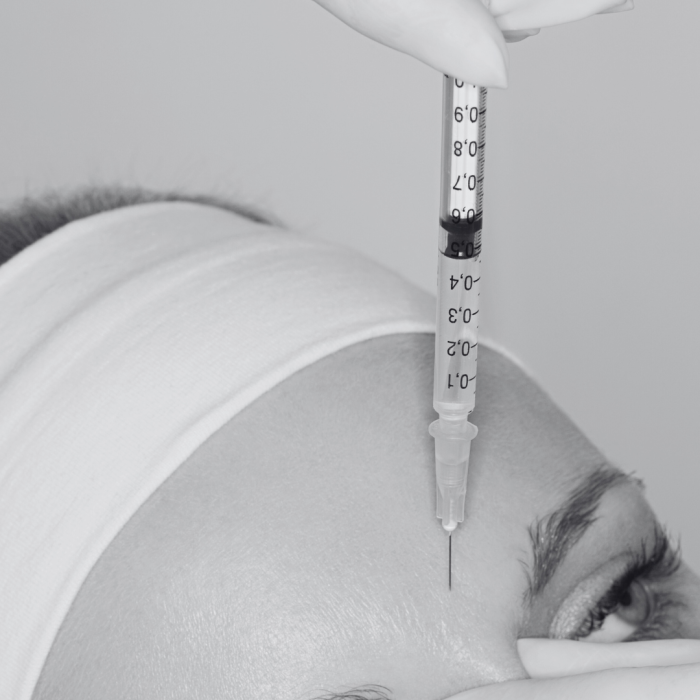
- The treatment itself is quick. Most full-face Botox sessions take 15–30 minutes. Fine needles are used — most patients describe the sensation as a series of small pinches. Topical anaesthesia is available for more sensitive areas like the palms.
- No significant downtime. You can return to normal activities immediately. Avoid strenuous exercise for 24 hours, lying flat for 4 hours after treatment, and rubbing the treated areas on the same day.
- Results timeline. You’ll start to notice the effect at 2–5 days. Full effect at 2 weeks — which is when I like to see patients for a follow-up review, particularly for first-time treatments.
- How long it lasts. Typically 3–4 months for facial areas. Longer for hyperhidrosis — often 6–9 months. The more regularly you have Botox, the longer the results tend to last over time as the treated muscles gradually learn to contract less.
Side Effects — The Honest Version
Botox is very safe when performed correctly. But patients deserve a clear, honest picture of what can happen — not just reassurance.
Common and expected: Mild redness, swelling, or bruising at injection sites — usually resolves within 24–48 hours.
Less common: Headache in the 24 hours following forehead treatment — usually mild and short-lived.
Rare but possible: Eyelid or brow drooping (ptosis) — caused by product migration into the wrong muscle. Uncommon with careful technique and appropriate dosing. Usually temporary and resolves within a few weeks.
What minimizes risk: Experienced injector. Correct dosing. Precise placement. Understanding of facial anatomy. That’s why who performs your Botox matters as much as the product being used.
Are You a Good Candidate?
Botox in Dubai is a great fit if:
- You have dynamic wrinkles — forehead, frown, crow’s feet — that bother you at rest or in photos
- You want to prevent wrinkles from deepening further over time
- You’re looking for subtle facial refinement — jaw slimming, nose tip, gummy smile
- You suffer from hyperhidrosis and it’s affecting your quality of life
- You’re not pregnant or breastfeeding
- You have realistic expectations about what Botox can and can’t do
One thing I always say: Botox is not a replacement for filler, skin resurfacing, or surgery. It relaxes muscles. It doesn’t restore volume, tighten skin, or address static wrinkles. Understanding what you actually need — and being honest about it — is the starting point of every good treatment plan.
What OUR Patients are saying ?
“After two pregnancies, I thought I’d never feel confident in my own skin again.”
“I had tried everything — workouts, diet, even non-surgical options — but the loose skin around my waist just wouldn’t go. Dr. Ganatra explained the 360-degree tummy tuck with so much clarity that I immediately felt at ease. The results look incredibly natural, and for the first time in years, I love how I look from every angle.”
— N.K., 39, Dubai
“This wasn’t just surgery; it was the start of a new chapter.”
“I lost over 25 kgs and was left with folds of excess skin that no amount of gym time could fix. The 360-degree tummy tuck gave me the sculpted, toned midsection I had been working for. The care, precision, and follow-ups from Dr. Ganatra’s team made all the difference.”
— R.M., 42, India
Botox in Dubai - Frequently Asked Questions
1. What is Botox and how does it work?
Botox is a purified form of botulinum toxin type A. It temporarily blocks the nerve signal that tells a muscle to contract — so the muscle relaxes and the overlying skin smooths out. It works on dynamic wrinkles — wrinkles caused by facial movement — not static wrinkles present at rest.
2. What’s the difference between Botox and Dysport?
Both are botulinum toxin type A. Dysport diffuses slightly more widely and may have a slightly faster onset. Botox is more precise in its spread. The right choice depends on the treatment area and your individual anatomy. Units are not interchangeable — dosing is calculated separately for each product.
3. What is Xeomin and why might I need it?
Xeomin is a “naked” neurotoxin — it contains no accessory proteins. This may reduce the risk of antibody formation over time, making it a good option for patients who receive regular treatments or who have developed resistance to other products. It may also have a slightly longer duration for some patients.
4. How soon will I see results?
Most patients notice the effect at 2–5 days. Full effect at 2 weeks. I like to see first-time patients at 2 weeks for a review and touch-up if needed.
5. How long does Botox last?
Typically 3–4 months for facial areas. Hyperhidrosis treatment often lasts 6–9 months. With regular treatment over time, many patients find their results last progressively longer.
6. Does Botox hurt?
Most patients describe it as a series of small pinches — very tolerable. For sensitive areas like the palms, topical or local anaesthesia is used. The procedure is quick and discomfort is minimal.
7. Can Botox slim my jawline?
Yes — masseter Botox gradually reduces the size of the masseter muscle over several weeks, slimming the lower face and creating a softer, more defined jawline. Results develop over 4–6 weeks and last 4–6 months typically, with continued improvement with regular treatment.
8. What is the Nefertiti lift?
A Botox technique that targets the platysmal bands along the lower jaw and upper neck — relaxing the downward-pulling forces and allowing the upward-pulling facial muscles to create better jawline definition. A non-surgical option for subtle jawline refinement.
9. Can Botox fix a gummy smile?
Yes — small precise doses into the upper lip elevator muscles reduce how much the lip elevates when smiling, decreasing gum show. One of the most effective and satisfying treatments I perform.
10. Can Botox lift the nose tip?
Yes — the depressor septi nasi muscle pulls the nose tip downward. Relaxing it allows the tip to sit slightly higher, particularly noticeable when smiling. A subtle but effective refinement.
11. What is Botox for hyperhidrosis?
Botox blocks the nerve signals to sweat glands, dramatically reducing sweating in treated areas. Highly effective for underarms, palms, and feet. Most patients see a 70–90% reduction in sweating that lasts 6–9 months.
12. Do you treat bodybuilders for sweating?
Yes — and this is something I specifically offer given my background in bodybuilding. Competitive athletes often struggle with excessive sweating under stage lighting that affects their tan and overall presentation. Pre-competition Botox for hyperhidrosis — properly timed — can significantly improve this.
13. What concerns can Botox treat?
Forehead wrinkles, frown lines, crow’s feet, bunny lines, gummy smile, lip flip, nose tip elevation, chin dimpling, depressed corners of the mouth, jaw slimming, neck bands, Nefertiti lift, and hyperhidrosis of the underarms, palms, and feet.
14. Do I need different doses depending on the brand used?
Yes — each neurotoxin has its own unit measurement. Units are not interchangeable between brands. Your provider will calculate the appropriate dose for the specific product being used.
15. Is Botox safe?
Yes — when administered by an experienced, medically qualified injector using correct doses and placement. Side effects are mostly minor and temporary. Serious complications like eyelid drooping are rare and usually resolve within weeks.
16. Is there downtime after Botox?
Minimal to none. Most patients return to normal activities immediately. Avoid strenuous exercise for 24 hours, lying flat for 4 hours, and rubbing treated areas on the day of treatment.
17. Can Botox be used preventively?
Yes — and this is increasingly popular among patients in their mid-to-late 20s and early 30s. By relaxing the muscles before deep wrinkles form, regular Botox can slow the development of permanent wrinkles over time.
18. Who should NOT have Botox?
Pregnant or breastfeeding women. Patients with neuromuscular conditions like myasthenia gravis. Patients on certain medications that may interact with the toxin — discussed during your consultation. Patients with unrealistic expectations about outcomes.
19. What should I avoid after Botox?
Strenuous exercise for 24 hours. Lying flat for 4 hours after treatment. Rubbing or massaging treated areas on the day of treatment. Facial treatments or heat exposure on the same day.
20. How much does Botox cost in Dubai?
Pricing depends on the number of areas treated, the product used, and the dose required. You’ll receive a clear, transparent quote at your consultation before any treatment is performed.