
CORRECTING LOOSE SKIN ON THE THIGHS
Thigh Lift In Dubai After Weight Loss
Whether it’s from significant weight loss, bariatric surgery, Mounjaro, pregnancy, or aging — loose, sagging skin on the inner or outer thighs is one of those things that no amount of squats or lunges will resolve. Once the skin has lost its elasticity, the only real solution is to remove it. A Thigh Lift (Thighplasty) in Dubai does exactly that — removing excess skin, sculpting the contour, and giving you thighs that are firmer, smoother, and proportionate to the rest of your body.
THIGH LIFT
What Is a Thigh Lift (Thighplasty)?
A Thigh Lift removes loose, excess skin from the inner or outer thighs and tightens the surrounding tissue to restore a firmer, more defined contour. Where excess fat sits alongside the loose skin, VASER Liposuction is combined to sculpt the transitions and improve the overall shape.
The result isn’t just cosmetic. Many patients come to me because the excess skin causes chafing, discomfort, and practical problems with movement and clothing — and fixing that changes daily life in ways that go well beyond appearance.
THIGH LIFT
Which Type of Thigh Lift Do You Need?
The right approach for your thigh lift in Dubai depends entirely on where your laxity sits and how much there is.
Mini Thigh Lift (Groin Crease) — for mild laxity confined to the upper inner thigh. Scar hidden entirely in the groin crease within underwear or swimwear. I only recommend this when it’s genuinely sufficient — if the skin excess extends further down, I’ll tell you that honestly.
Medial (Inner) Thigh Lift — the most common approach for post-weight-loss body contouring in Dubai. Addresses moderate to significant inner thigh laxity with a horizontal groin crease scar, and a vertical inner thigh scar where needed.
Extended / Spiral Thigh Lift — for patients where laxity extends to the outer thigh, posterior thigh, and buttock. Common after massive weight loss or bariatric surgery. Often performed alongside a Lower Body Lift for a complete lower body result.
During your consultation, I map laxity with your legs in multiple positions — standing, abducted, at rest — because thigh skin behaves differently depending on how you’re positioned. That assessment drives the plan.

WHY CHOOSE DR. GANATRA FOR THIGH LIFT IN DUBAI
10+ years specializing in body contouring after weight loss.
Post-weight-loss thighs are a very different surgical challenge compared to age-related laxity. The skin quality, extent of excess, and planning are all different. This is work I do regularly and have significant experience with.
I treat the full leg as one continuous line.
A great thigh lift result looks seamless. I use VASER Liposuction selectively to blend contours at the adductor border, the knee, and the lateral thigh — so the leg reads as one natural, proportionate line from hip to knee.
Lymphatic-sparing technique.
The inner thigh has important lymphatic channels and the great saphenous vein runs close to the dissection plane. I plan every thigh lift to protect these structures — because prolonged swelling and lymphatic complications are real risks when this isn’t taken seriously.
Scar placement and management from day one.
The groin crease incision sits entirely within underwear. Where a vertical inner thigh scar is needed, it’s placed along the natural inner thigh line. Layered closure, progressive tension sutures, and a proactive scar care plan — started at surgery, not as an afterthought.
Honest about what a thigh gap is — and isn’t.
A thigh lift improves proportion and comfort. It doesn’t create a specific thigh gap — that depends on pelvis width, muscle mass, and anatomy. I’ll tell you what’s actually achievable for your body.
- Safety framework: Hospital setting, anesthetist clearance, DVT prophylaxis, calibrated tumescent dosing, and energy-use safeguards.
- Recovery built for mobility: Long-leg compression plan, lymphatic drainage, targeted pain control, wound-care coaching, and a phased return-to-gym plan.
- Skin-type aware aftercare: Scar-care protocol (silicone therapy ± laser/LED) tailored to different Fitzpatrick types to limit pigmentation and widened scars.
- Consistent, natural results: Firmer inner thighs, improved leg silhouette, and better chafe control—balanced in motion and in photos.

Are You a Good Candidate for a Thigh Lift in Dubai?
A Thigh Lift is the right procedure if:
- You have loose, sagging skin on the inner or outer thighs that doesn’t respond to training
- Your weight has been stable for at least 6–12 months
- You experience chafing or discomfort from excess inner thigh skin
- You’re in good overall health and not a smoker
- You have realistic expectations about results and scarring
If you’re still actively losing weight — through bariatric surgery, Mounjaro, Ozempic, or lifestyle changes — wait until your weight has fully stabilized. Operating before then gives you a result that won’t hold.
What Happens Before Your Surgery
Laxity mapping.
I examine your thighs in multiple positions to determine the extent and location of skin excess and decide the right surgical approach.
Treatment plan.
I’ll explain exactly what I’m recommending and why — including which type of thigh lift suits your anatomy, whether VASER will be combined, and what the realistic result looks like.
Medical clearance.
Routine bloodwork. For post-bariatric patients, nutritional status — particularly protein and vitamin levels — is assessed and optimized before surgery.
Clinical photos and measurements.
Standardized and confidential. Essential for planning and comparing results afterward.
Full consent discussion.
Every risk, every realistic outcome, every detail of recovery — including honest information about scarring — explained before you sign anything.
Anesthesiologist meeting.
Every patient meets the anesthesiologist before the procedure. No exceptions.
HOW THE PROCEDURE IS PERFORMED
Step 1: Marking
Incision lines are mapped with your legs in multiple positions. This is where the surgical plan is finalized — how much skin to remove, exact incision placement, and how the remaining tissue will be re-draped and tensioned.
Step 2: VASER Liposuction (where indicated)
Where excess fat accompanies the loose skin, VASER-assisted liposuction is performed first — removing fat, smoothing transitions, and reducing tension on the skin closure for better contour and scar quality.
Step 3: Skin Excision and Re-draping
Excess skin is excised along the planned incision lines. The remaining skin is carefully re-draped and anchored to deep fascia — this anchoring step is critical for maintaining the lift over time and preventing scar migration downward.
Step 4: Closure and Compression
Incisions are closed in layers with progressive tension sutures to minimize surface tension and support the best possible scar. Compression garments are applied immediately.

Recovery — What to Expect
- Days 1–3: Swelling, tightness, mild discomfort. Keep legs elevated. Compression garments worn full time.
- Week 1: Short gentle walks encouraged for circulation. Avoid wide leg movements or tension on the inner thigh incision.
- Weeks 2–3: Return to desk work and light daily activities. Non-dissolvable stitches removed if used.
- Weeks 4–6: Gradual return to the gym. Avoid wide squats, lunges, and high-impact exercise until cleared.
- Month 3: Final thigh contour clear. Scars continue to mature and fade over 6–12 months.
Aftercare Includes:
- Compression garments for 4–6 weeks
- Lymphatic drainage sessions
- IV nutrition and peptide therapy
- Scar management — silicone therapy, taping, sun protection
- Regular follow-up visits
Patients who train get a customized return-to-gym plan — a specific, realistic timeline for getting back to lower body training safely without compromising healing.

Can a Thigh Lift Be Combined With Other Procedures?
Yes — for post-weight-loss patients especially, a thigh lift in Dubai is often part of a broader body contouring plan. Common combinations include:
- Lower Body Lift — addressing the thighs as part of a full 360° lower body transformation
- Tummy Tuck — commonly combined for complete lower body contouring
- Arm Lift (Brachioplasty) — as part of a comprehensive post-weight-loss body transformation
- VASER Liposuction — for additional contouring of the knees, lateral thighs, or flanks
- J-Plasma (Renuvion) — where intermediate skin laxity benefits from tightening alongside the lift
Combinations are staged carefully based on safety and operative time. I’ll always tell you if staging makes more sense than doing everything at once.
THIGH LIFT
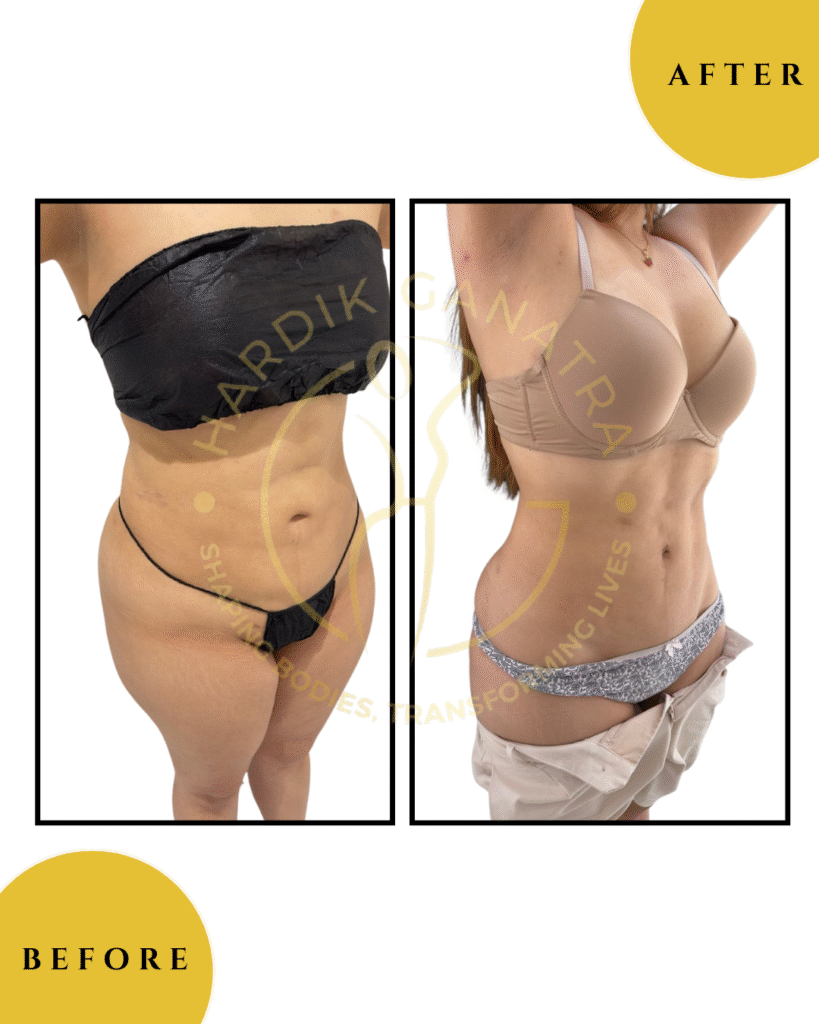
Before & After
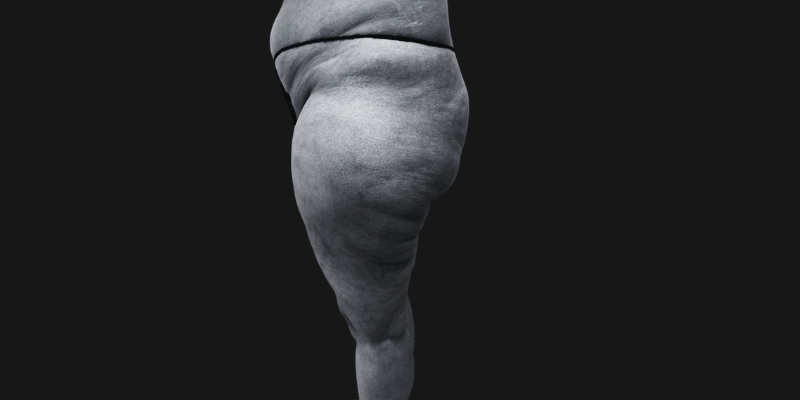
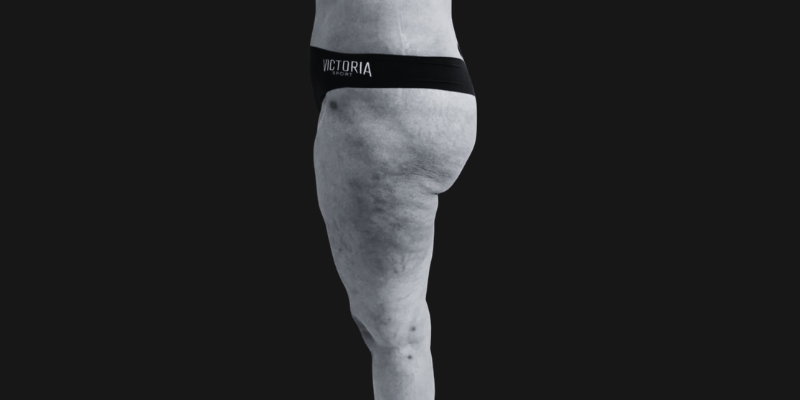
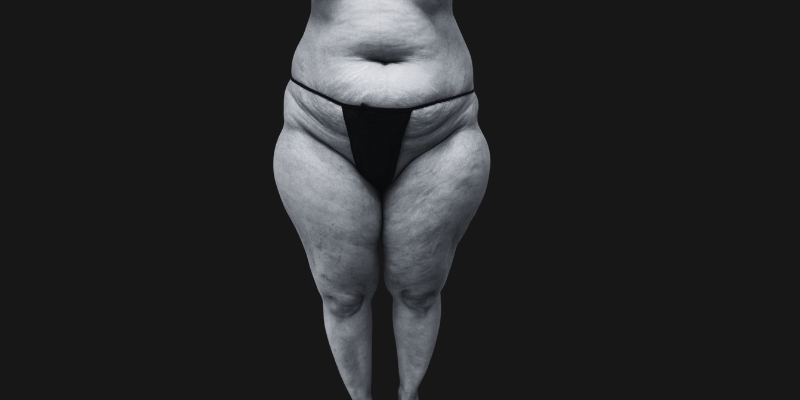
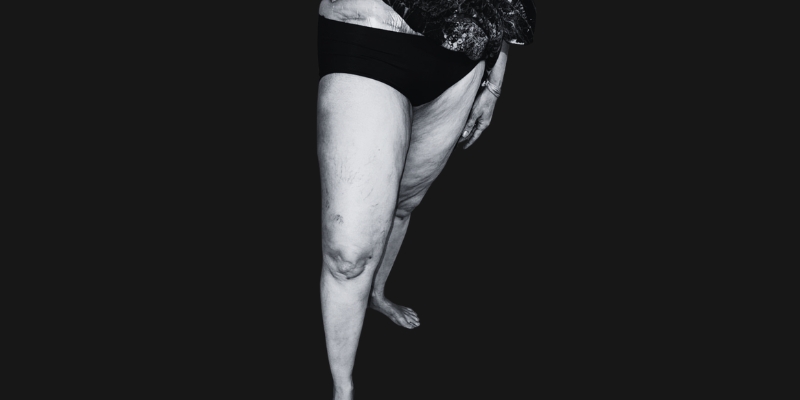
Every Thigh Lift performed by Dr. Hardik Ganatra reflects his signature balance of medical precision and natural proportion.
What OUR Patients are saying ?
“I finally feel confident wearing shorts again.”
“I used to avoid fitted clothes because of the sagging skin on my thighs after weight loss. Dr. Ganatra understood exactly what I wanted — a natural contour, not something overdone. The recovery was quicker than I imagined, and now I move with so much more confidence. It’s truly life-changing.”
— S.R., 34, Mumbai
“The difference isn’t just in how I look — it’s in how I walk, move, and feel.”
“After years of struggling with loose inner thigh skin, I decided to go ahead with the thigh lift. Dr. Ganatra’s detailed guidance and care made the entire journey smooth and reassuring. The results are beautifully proportioned, and my legs finally feel toned and comfortable again.”
— J.L., 45, Singapore
THIGH LIFT Dubai Frequently Asked Questions
1. Can liposuction alone fix my thighs?
If the problem is purely fat — yes, liposuction can help. But if there’s genuine skin laxity, liposuction alone will make it worse. Removing fat without addressing loose skin leaves you with even more draping tissue over a slimmer thigh. A proper physical examination is essential before deciding.
2. Will the scar be visible?
Honest answer — there will be a scar. The groin crease incision sits entirely within underwear and swimwear. Where a vertical inner thigh scar is needed, it’s placed along the natural inner thigh line and not visible in normal standing posture. With proper scar management, it fades significantly over 12 months. The vast majority of my patients consider it a completely acceptable trade-off.
3. Will a thigh lift create a thigh gap?
The goal is proportion and comfort — not a specific thigh gap. Whether a gap exists depends on your pelvis width, muscle mass, and anatomy. I’ll be honest about what’s achievable for your specific body during the consultation.
4. Will there be numbness?
Temporary reduced sensation along the inner thigh is common and usually resolves over weeks to months. It’s a known risk and something I discuss openly before surgery.
5. Is there a risk of lymphedema?
Low risk when performed using lymphatic-sparing dissection planes. I design the approach specifically to protect the lymphatic channels of the inner thigh. If you have a history of lymph node surgery or existing lymphedema, I’ll modify the approach accordingly.
6. Can stretch marks be removed?
Stretch marks within the area of skin that’s excised will be gone. Those outside that zone remain, though they may shift slightly in position.
7. How much weight will I lose from a thigh lift?
Very little — this is a body contouring procedure, not a weight loss one. The scale change is modest. Best results come when your weight has been stable for 6–12 months before surgery.
8. How much does a Thigh Lift cost in Dubai?
Depends on which type of thigh lift is performed, whether VASER liposuction is combined, and operating time. You’ll receive a personalized quote after your consultation with Dr. Ganatra in Dubai.