
REVISION / CORRECTION LIPOSUCTION IN DUBAI
Restore Balance. Refine Results. Rebuild Confidence.
Revision or Correction Liposuction is designed for patients who have undergone previous fat removal procedures but are dissatisfied with the outcome — whether it’s uneven contour, residual fat, irregularities, or asymmetry. Through advanced techniques like VASER-assisted refinement, fat redistribution, and scar camouflage, Dr. Hardik Ganatra restores harmony, smoothness, and proportion to your body’s shape.
CORRECTION LIPOSUCTION
WHAT IS REVISION LIPOSUCTION?
Revision Liposuction (also known as Corrective Liposuction) is a specialized procedure that improves or corrects results from earlier liposuction surgeries. These cases are among the most challenging in body contouring because the skin, tissues, and fat layers may have already been altered by previous surgery.

WHY CHOOSE DR. GANATRA FOR REVISION (CORRECTION) LIPOSUCTION
As a board-certified body-contouring specialist, Dr. Ganatra has focused almost exclusively on liposuction and sculpting procedures for the past 10 years, with extensive experience correcting outcomes from prior surgeries.
- Decade of focused expertise: High volume of revision cases across a full spectrum of issues—over-resection, waviness, divots, adhesions, “shelves,” residual bulges, and post-energy fibrosis—managed with a measured, anatomy-first approach.
- Global, skin-type aware planning: Having treated patients from many nationalities, Dr. Ganatra tailors technique and aftercare to different skin types, accounting for scar behavior, pigmentation risk, and variable tissue response.
- Multimodal toolset for tough tissue:
- VASER for selective emulsification and controlled release of fibrotic bands
- Power-Assisted Liposuction (PAL/MicroAire) for smooth equalization and feathering
- J-Plasma (Renuvion) when targeted dermal contraction is indicated to address laxity after over-suction
- Strategic fat grafting to fill true deficits and smooth transitions—used judiciously for natural light-reflection
- Staged, conservative corrections: When tissues are stiff or skin quality is borderline, he favors a planned, staged approach—prioritizing safety, blood supply, and skin redraping over aggressive one-session “fixes.”
- Scar- and contour-savvy access: Entry points are positioned along natural lines; equalization passes are planned to avoid new step-offs, with meticulous closure to preserve skin quality.
- Safety protocols you can trust: Hospital-level standards, anesthetist clearance, precise tumescent planning, thermal-energy safeguards, and VTE-risk reduction—because revision patients often have more delicate tissue biology.
- Post-operative program built for revisions: A structured pathway to minimize fibrosis and optimize shape:
- Compression strategy (garments, boards, foam pads) tailored by zone and stage
- Professional lymphatic drainage and pressotherapy (intermittent pneumatic compression) when appropriate
- Professional lymphatic drainage and pressotherapy (intermittent pneumatic compression) when appropriate
- Hyperbaric oxygen therapy to support healing in select cases
- Peptide-supported recovery and nutrition guidance, aligned with your fitness background
- Scheduled touchpoints to adjust garmenting, massage, and activity for the best long-term outcome

COMMON REASONS FOR REVISION LIPOSUCTION
You may benefit from a corrective procedure if you experience any of the following after your previous liposuction:
- Uneven or lumpy skin surface
- Over-suctioned or hollow areas
- Residual or persistent fat bulges
- Visible contour irregularities or asymmetry
- Hard, fibrotic scar tissue under the skin
- Skin laxity or lack of natural transition between zones

PRE-OPERATIVE EVALUATION & SAFETY PROTOCOLS
Before your procedure, Dr. Hardik Ganatra conducts a comprehensive pre-operative consultation to ensure your safety and achieve results tailored to your goals.
During this evaluation:
- Detailed Consultation: Dr. Ganatra takes time to understand your aesthetic goals, expectations, and areas of concern to recommend the most suitable treatment plan.
- Treatment Planning: You are provided with the ideal surgical option as well as possible alternative approaches, ensuring you make an informed decision.
- Medical Evaluation: Routine blood investigations are performed to confirm your fitness for anesthesia and surgery.
- Photography & Measurements: Standardized photographs are taken (without revealing your identity) and precise body measurements are recorded to aid surgical planning and postoperative comparison.
- Consent & Documentation: The procedure, recovery, and potential risks are clearly explained, followed by signed patient consent.
- Anesthesiology Assessment: Every patient meets the anesthesiologist at the hospital for a pre-operative safety evaluation and anesthesia clearance.
This structured process ensures that every correction liposuction is performed under the highest standards of medical safety, transparency, and personalized care.
HOW THE PROCEDURE IS PERFORMED
Step 1: Planning and Marking
Precise marking identifies irregularities and transition zones that require correction or blending.
Step 2: Scar Tissue Release & Fat Emulsification
Using VASER ultrasound, fibrotic tissue from previous liposuction is gently broken down. This allows for smoother recontouring and safer fat removal.
Step 3: Fat Removal or Fat Grafting
Depending on the case:
- Excess fat is suctioned out to smooth uneven bulges.
- Fat grafting may be done in over-suctioned or hollow areas to restore volume and natural contour.
Step 4: Sculpting and Refinement
Final sculpting is done layer by layer, focusing on even transitions and symmetry. Every pass of the cannula is deliberate — restoring natural, aesthetic lines.

RECOVERY AND POST-OPERATIVE CARE
Healing is as important as the surgery itself. Dr. Ganatra’s recovery protocol focuses on comfort, circulation, and faster tissue repair.
Typical recovery timeline:
- Swelling peaks within 3–5 days and gradually subsides
- Compression garments worn continuously for 4–6 weeks
- Lymphatic drainage massages begin within the first week
- IV therapy and peptide support accelerate tissue regeneration
- Most patients resume desk work in 5–7 days, gym in 4–6 weeks
COMBINATION OPTIONS
- Fat Grafting: To restore over-suctioned areas
- J-Plasma Skin Tightening: For better skin recoil
- Tummy Tuck / Body Lift: If there’s loose or redundant skin post-weight loss
- High-Definition Refinement: To enhance final contour after correction
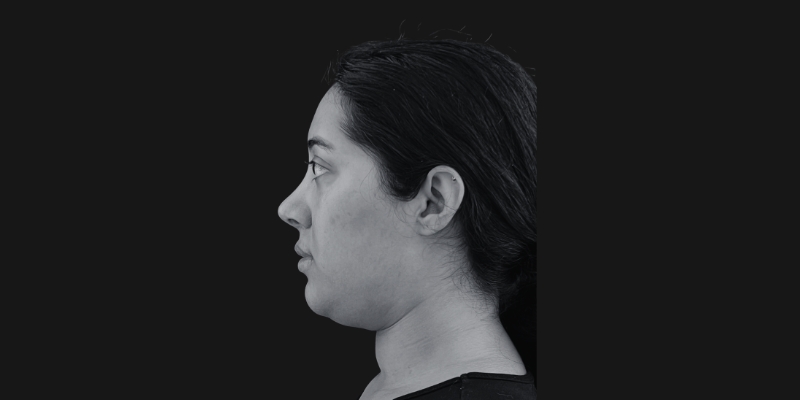
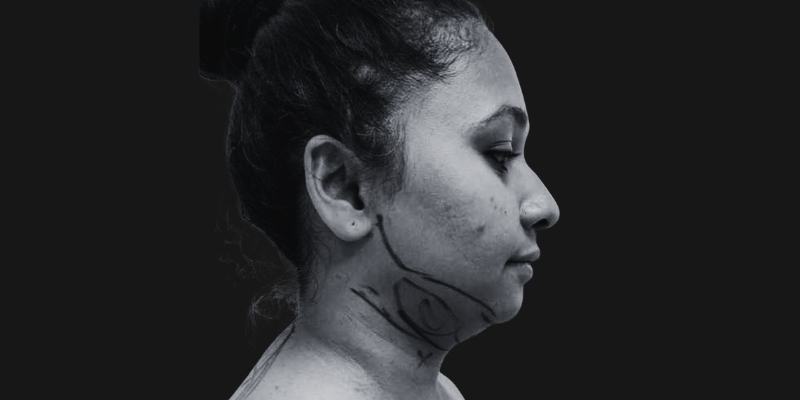
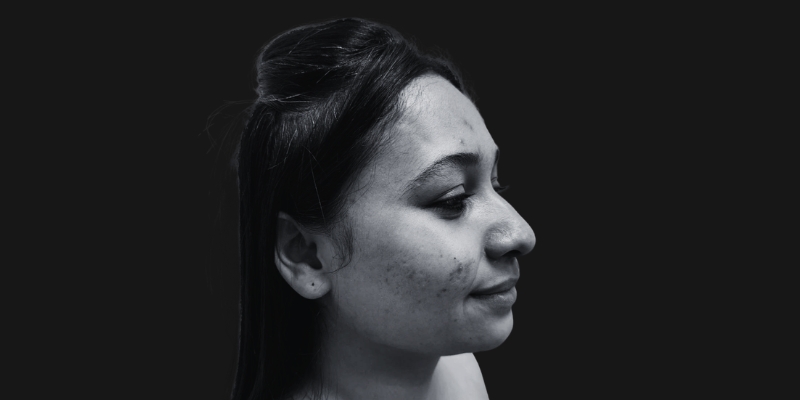
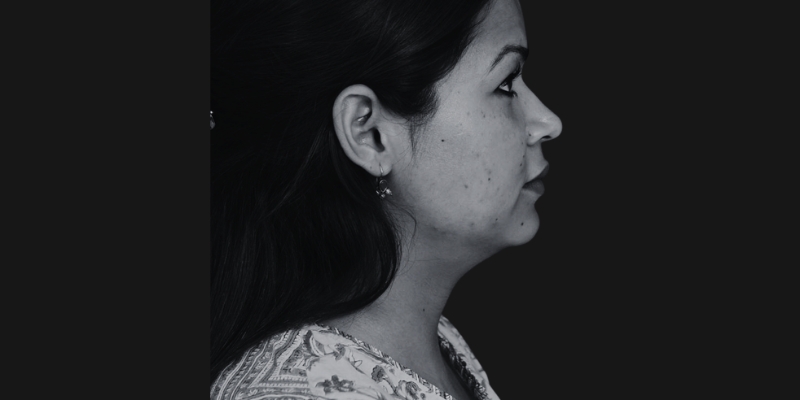
CORRECTION LIPOSUCTION
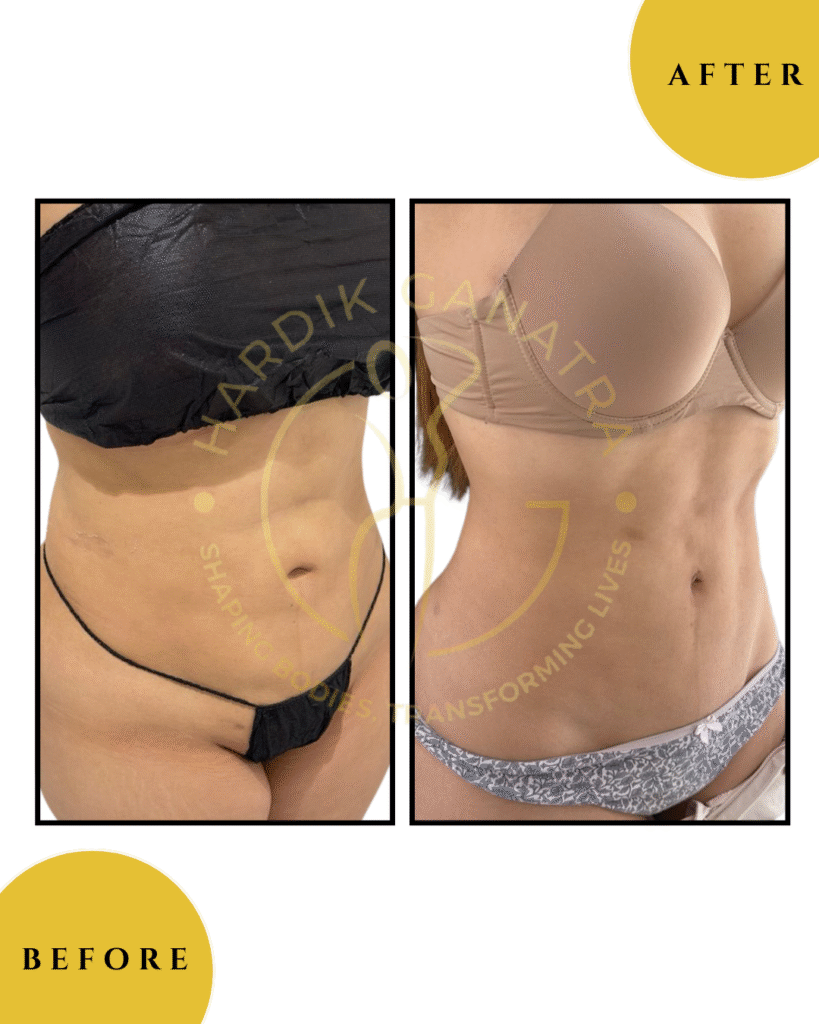
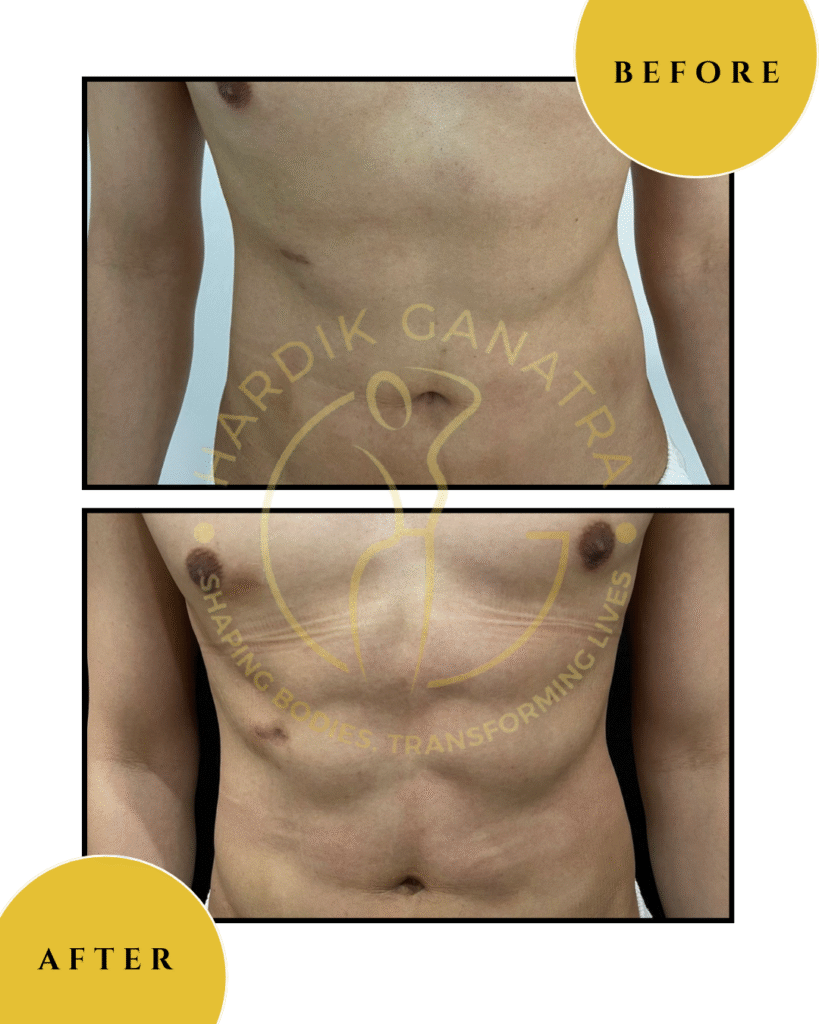
Before & After
Each transformation under Dr. Hardik’s care reflects precision, restraint, and restoration of balance — not overcorrection.

What OUR Patients are saying ?
“He turned a disappointing result into the body I always wanted.”
“I had liposuction done years ago elsewhere, but it left me with uneven contours and small irregularities that made me regret it. Dr. Ganatra was honest about what could be improved and what couldn’t — that honesty meant a lot. The revision surgery restored balance and smoothness, and now it finally looks natural.”
— D.P., 40, Dubai
“I was scared to go through it again — but this time, I knew I was in the right hands.”
“My first liposuction left me with lumps and asymmetry. I almost gave up on fixing it, but after consulting Dr. Ganatra, I felt reassured. His precision and planning gave me the smooth, even result I’d been hoping for all along. The difference is unbelievable.”
— R.S., 35, India
CORRECTION LIPOSUCTION Frequently Asked Questions
1. What is revision liposuction?
A corrective procedure done after a previous liposuction to address issues like dents, bulges, asymmetry, stiffness, or uneven contours.
2. Who needs revision liposuction?
Patients unhappy with shape after their first surgery—e.g., visible dents/line-edging, residual bulges, asymmetry, or skin rippling—once swelling has fully settled.
3. How long should I wait after my first liposuction before considering a revision?
Usually 6–12 months, so swelling and scar tissue mature. Earlier intervention is reserved for specific complications.
4. What problems can revision liposuction fix?4. What problems can revision liposuction fix?
* Bulges/under-treated areas (selective fat removal)
* Dents/over-resected areas (fat transfer)
* Tethering/adhesions (internal scar release)
* Asymmetry and contour step-offs
* Firm, fibrous areas from scarring
5. How is revision different from first-time liposuction?
There’s more scar tissue (fibrosis) and less fat “glide,” so it’s technically more demanding. Plans are conservative and often staged for safety and smoother results.
6. What techniques might be used in a revision?
* Targeted liposuction (PAL/standard) to reduce bulges
* Fat transfer to fill dents or soften edges
* Internal scar release (subcision) for tethering
* Ultrasound-assisted (VASER) to soften fibrous fat when helpful
* Energy-based tightening (e.g., Renuvion) for mild laxity, if indicated
7. Will I need fat transfer?
Often, yes—small, precise grafts help correct depressions and sharpen transitions. Donor areas are chosen based on quality and availability.
8. Is revision liposuction safe?
In experienced hands and an accredited facility, yes. Dr. Ganatra plans conservatively, favors staging when needed, and uses meticulous plane control. If a buttock fat transfer is part of your correction, he strictly follows American association safety guidelines and uses portable high-definition ultrasound to keep fat above the muscle—not in or under it.
9. What are the risks?
All surgery has risks. For revisions these can include contour irregularities, prolonged swelling, seroma, firmness, skin discoloration, numbness/tingling, or need for further touch-ups. Fat transfer can rarely form oil cysts or fat necrosis.
10. Can everything be fixed in one session?
Not always. Staged improvement (2 steps) is common with complex dents or extensive fibrosis to keep things safe and predictable.
11. How do you decide what to correct?
A detailed exam with photos and pinch-tests maps bulges vs dents vs tethering. The plan blends selective lipo, scar release, and micro-fat grafting to rebuild smooth lines.
12. Will I need imaging?
Not always. In complex cases, ultrasound can help assess thickness, fluid pockets, or guide specific steps. For any gluteal fat transfer, ultrasound guidance is used to confirm the safe subcutaneous plane.
13. What is recovery like?
Similar to liposuction but sometimes a bit longer due to scar tissue. Most return to desk work in 3–7 days; light cardio ~2 weeks; progressive strength 4–6 weeks. Compression and lymphatic massage (as advised) help swelling.
14. When will I see results?
Early shape changes appear in weeks; final contour is judged around 3–6 months (occasionally up to 9 months in very fibrous areas).
15. What if I also have loose skin?
Mild laxity can be addressed with energy-based tightening; significant laxity is best treated with an excisional procedure (e.g., tummy tuck, arm/thigh lift).
16. Will there be new scars?
Only small (3–5 mm) access ports, placed in natural creases where possible.
17. Are the results permanent?
Removed fat doesn’t return, and dents filled with living fat can last, but weight changes, aging, and skin qualitystill influence long-term shape.
18. What should I do to prepare?
Share full medical history and prior op details, stop smoking, pause certain meds/supplements as instructed, arrange help for 24–48 hours, and have your compression garments ready.
19. How much does revision liposuction cost?
Pricing depends on areas, complexity, whether fat transfer/energy devices are used, and potential staging. You’ll receive a personalized quote after consultation.
20. What does VASER liposuction cost?
Look for a board-certified plastic surgeon with specific revision experience, strong before-and-after cases, and a plan that prioritizes safety, staging, and realistic goals.