
LOOSE SKIN ON THE CHEST AFTER WEIGHT LOSS
Male Chest Lift Surgery In Dubai
Losing a significant amount of weight — through bariatric surgery, Mounjaro, Ozempic, or years of committed lifestyle change — is one of the hardest things a person can do. But for many men, the chest becomes the one thing that holds them back from fully owning that transformation.
Loose, hanging skin that drapes over the pectoral muscle. A chest that looks deflated no matter how much you train. These aren’t things the gym fixes. Once the skin has stretched beyond a certain point, it doesn’t go back. A Male Chest Lift removes the excess skin, reshapes the chest, and gives you a flat, firm, masculine result that finally reflects the transformation you’ve worked so hard for.
MALE CHEST LIFT
WHAT IS A Male Chest Lift?
A Male Chest Lift — also called Male Chest Tightening Surgery — removes excess, sagging skin from the chest, tightens the remaining tissue, and where needed, repositions the nipple to a natural, proportionate position on the chest wall.
It is different from gynecomastia surgery — though the two are sometimes combined. Gynecomastia surgery removes the glandular tissue — the firm disc under the nipple that causes puffy nipples or a lump. A chest lift addresses excess skin — the kind left behind after massive weight loss when the skin envelope is simply too large for the chest underneath it. For some post-weight-loss patients, both problems exist together. In those cases, I address both in the same procedure so you’re not coming back for a second surgery.
One thing worth addressing directly — a lot of patients come to me thinking they have a straightforward gynecomastia case, when what they actually have is Grade 4 gynecomastia. Most people know about the puffy nipple or the lump under the chest — that’s Grade 1 or 2. Grade 4 is a completely different picture. The breast tissue has grown to the point where there is significant, hanging excess skin — almost like a female breast shape. This is not a gland removal procedure. This is a chest lift. It’s a completely different and more elaborate surgery, and patients who’ve been told elsewhere that they just need “gynecomastia surgery” are often surprised when I explain what’s actually involved. Getting the diagnosis right before the procedure is everything.
What Is an Upper Body Lift?
For patients after massive weight loss, the excess skin rarely stops at the chest. It often continues around to the back — creating rolls, folds, and sagging tissue that wrap the entire upper torso.
An Upper Body Lift addresses the chest and back together as one complete unit — removing the excess skin circumferentially, lifting the chest, flattening the back, and restoring an upper body that looks proportionate from every angle.
Think of it as the upper body equivalent of a Lower Body Lift. Just as a lower body lift removes the skin belt that wraps around the waist and buttocks, an upper body lift removes the skin that wraps around the chest and back. For patients with significant upper body skin excess after massive weight loss — this is the procedure that completes the transformation.

Why Choose Dr. Ganatra for Male Chest Lift in Dubai?
I’m a bodybuilder as well as a surgeon.
I understand what a masculine, proportionate chest looks like — in a fitted t-shirt, in the gym, from every angle. That perspective shapes every surgical decision — how much skin to remove, where to place the incisions, and how to position the remaining tissue for a result that looks athletic and natural, not just flat.
I treat the chest and back together when needed.
For patients with skin excess that wraps around the torso, treating only the front gives you an incomplete result. I plan the upper body lift as a complete circumferential approach — front, sides, and back — so the outcome looks right from every angle.
I combine procedures intelligently.
Where residual fat sits alongside loose skin, VASER Liposuction is used to sculpt and define the chest before skin removal. Where there’s a glandular component from gynecomastia, I address that at the same time. One procedure, one recovery, one complete result.
Scar strategy from day one.
Incisions are placed along the natural infrapectoral fold — the crease at the lower border of the pectoral muscle — where they sit in shadow and are hidden by the chest contour. Layered closure, progressive tension sutures, and a proactive scar care plan started at surgery, not as an afterthought.
10+ years specializing in post-weight-loss body contouring.
The post-weight-loss chest is a very different surgical environment. The skin quality, tissue integrity, and extent of excess all require a specific skill set. This is work I do regularly and have significant experience with.
I’ll be honest about staging.
For patients with very significant skin excess, staging is sometimes the safer, smarter approach. I’ll tell you that openly — along with a clear plan for how we get to the final result.
- Safety framework: Hospital setting, anesthetist clearance, DVT prophylaxis, precise tumescent dosing, and energy-use safeguards.
- Recovery built for lifters: Compression vest with lateral extensions, lymphatic drainage, structured pain control, and a phased return-to-gym plan.
- Staging & combination options: Can be combined with arm lift/back lift (upper-body lift) or staged to optimize contour and scar quality.
- Consistent, natural results: A flatter, firmer, masculine chest that looks balanced at rest and in motion.
Considering a chest lift after massive weight loss in Dubai? Book a consultation with Dr. Ganatra to plan the right approach for your anatomy and goals.


Are You a Good Candidate?
A Male Chest Lift is the right procedure if:
- You’ve lost a significant amount of weight and are left with loose, excess chest skin
- Your weight has been stable for at least 6–12 months
- You have sagging or folding chest skin that doesn’t respond to training
- You’re in good overall health and nutritionally optimized for surgery
- You’re not a smoker — or willing to stop well ahead of surgery
- You have realistic expectations about results and scarring
If you’re still actively losing weight — through bariatric surgery, Mounjaro, Ozempic, or lifestyle changes — wait until your weight has fully stabilized. Operating before then gives you a result that won’t hold.

What Happens Before Your Surgery
A thorough chest and upper body assessment.
I examine the full extent of the skin excess — chest, flanks, and back — to determine whether a chest lift alone is sufficient or whether an upper body lift is the right approach. I also assess whether there’s a fat or glandular component that needs addressing alongside the skin.
Nutritional optimization.
For post-bariatric patients especially — protein levels, vitamin stores, and overall nutritional status are assessed before surgery. Major skin removal places real demands on the body and being properly prepared makes a significant difference to healing.
Medical clearance.
Routine bloodwork and any additional investigations needed — including cardiac clearance where indicated by your weight loss history or medications.
Clinical photos and measurements.
Standardized and fully confidential. Essential for planning and comparing results afterward.
Full consent discussion.
Every risk, every realistic outcome, every aspect of recovery — including honest information about scarring — explained clearly before you sign anything.
Anesthesiologist meeting.
Every patient meets the anesthesiologist before the procedure. No exceptions at my facility.
What Is a Male Chest Lift Surgery?
Step 1: Marking
Markings are made while you’re standing — mapping skin to be removed, nipple level and position, incision placement, and how the remaining tissue will be re-draped. For an upper body lift, this wraps around the full circumference of the torso.
Step 2: VASER Liposuction (where indicated)
Where excess fat accompanies the loose skin, VASER Liposuction is performed first — sculpting the chest wall, smoothing the axillary roll and lateral chest, and preparing the tissue for the skin excision that follows.
Step 3: Gynecomastia Correction (where indicated)
Where a glandular component is present alongside skin excess, gland excision is performed through the same approach — addressing both in one procedure, one recovery.
Step 4: Skin Excision and Re-draping
Excess skin is removed along the planned incision lines. The remaining skin is carefully re-draped and tensioned over the chest to create a flat, firm, masculine contour. For upper body lift cases, the back component is addressed in the same session or staged depending on extent.
Step 5: Nipple Repositioning (where required)
Where significant ptosis exists, the nipple and areola are repositioned to a natural, proportionate height on the chest wall — planned for symmetry and a result that looks right in and out of clothing.
Step 6: Closure and Compression
Incisions are closed in layers with fine sutures. A compression vest is applied immediately to support healing and maintain the new contour.

Recovery — What to Expect
- Days 1–3: Swelling, tightness, and some discomfort. Most patients stay one night for monitoring. Drains may be used. Avoid lifting or arm strain.
- Week 1: Light movement encouraged. Avoid raising arms above shoulder height or tension on the chest incisions. Compression vest worn full time.
- Weeks 2–3: Return to desk work and light daily activity. Non-dissolvable stitches removed if used.
- Weeks 4–6: Gradual return to the gym. Chest and upper body training comes back last — follow the plan we agree on together.
- Month 3: Final chest contour clear. Scars continue to mature and fade over 6–12 months.
Aftercare includes:
- Compression vest for 4–6 weeks
- Lymphatic drainage sessions
- IV nutrition and peptide therapy to support healing
- Scar management — silicone therapy, taping, sun protection
- Regular follow-up visits
Every patient who trains gets a customized return-to-gym plan. I know how important getting back to upper body training is — especially after everything you’ve done to get here. I’ll give you a real, specific timeline.
Can a Male Chest Lift Be Combined With Other Procedures?
Yes — for post-weight-loss patients, it almost always makes sense to think about the bigger picture. Common combinations include:
- Gynecomastia Surgery — where a glandular component exists alongside skin excess
- VASER Liposuction — for chest, flank, and abdominal contouring in the same session
- Lower Body Lift — for patients addressing skin excess throughout the entire body
- Arm Lift (Brachioplasty) — commonly combined as part of a complete upper body transformation
- Tummy Tuck — for patients with abdominal skin excess alongside the chest
- J-Plasma (Renuvion) — for intermediate laxity where skin tightening adds value alongside the lift
Combinations are staged carefully based on safety and operative time. I’ll always tell you if staging makes more sense than doing everything at once.

Male Chest Lift
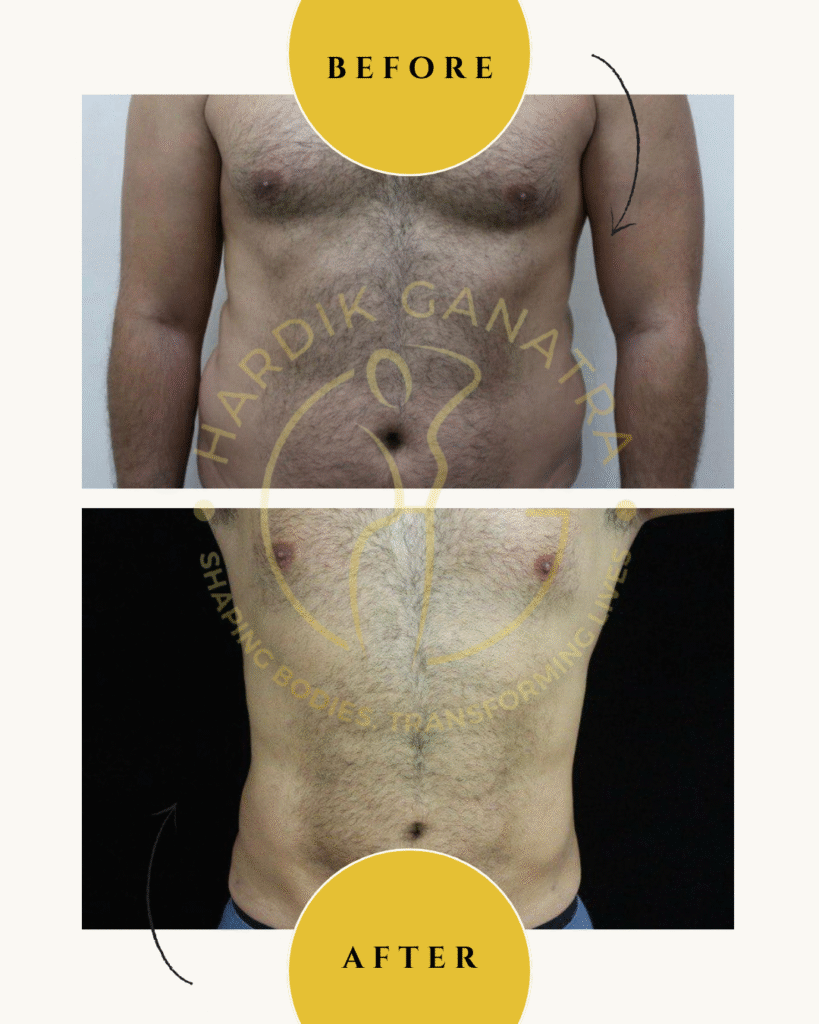
BEFORE & AFTER RESULTS
Each Male Chest Lift performed by Dr. Hardik Ganatra showcases a smoother, tighter, and more defined chest contour.
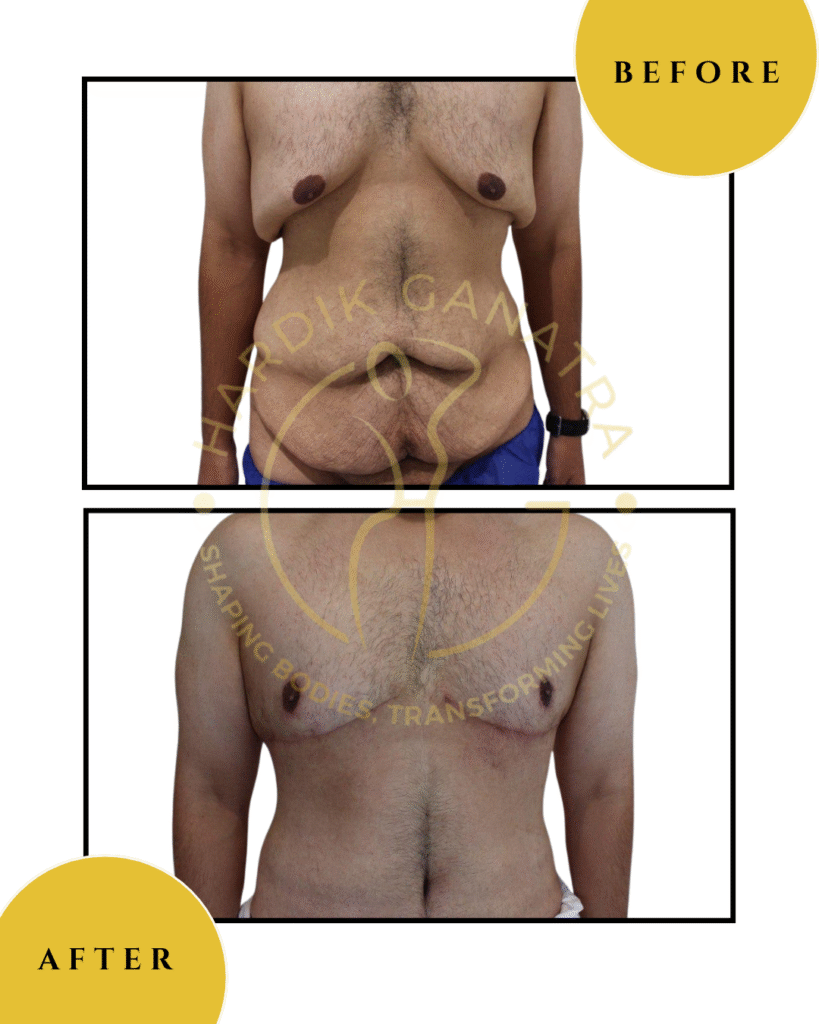
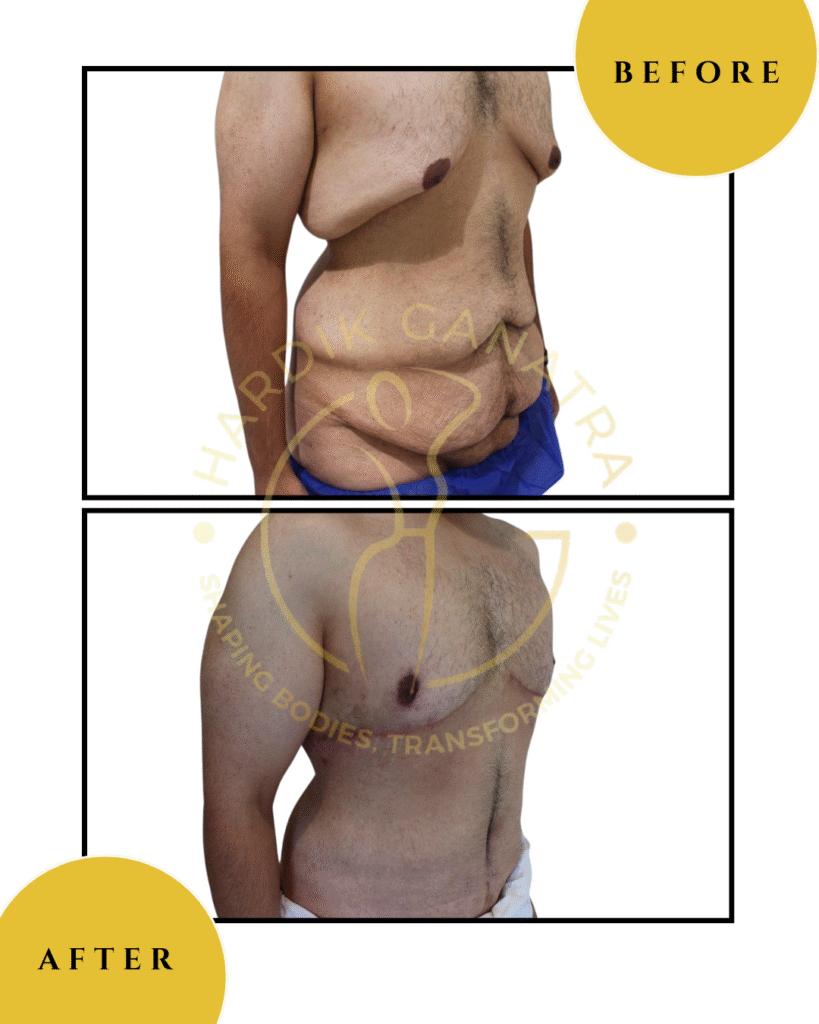

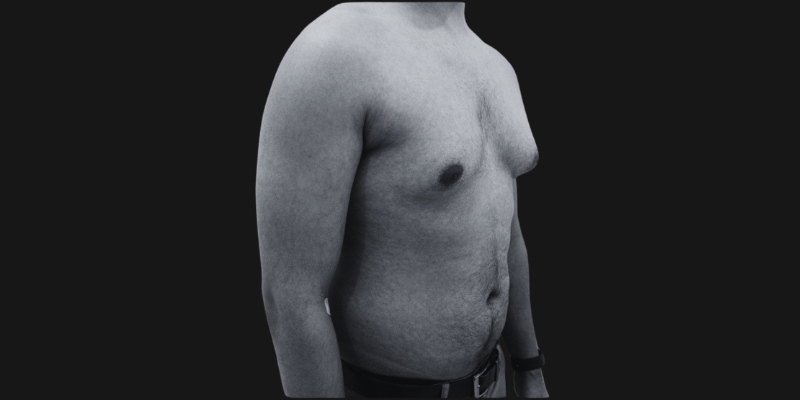

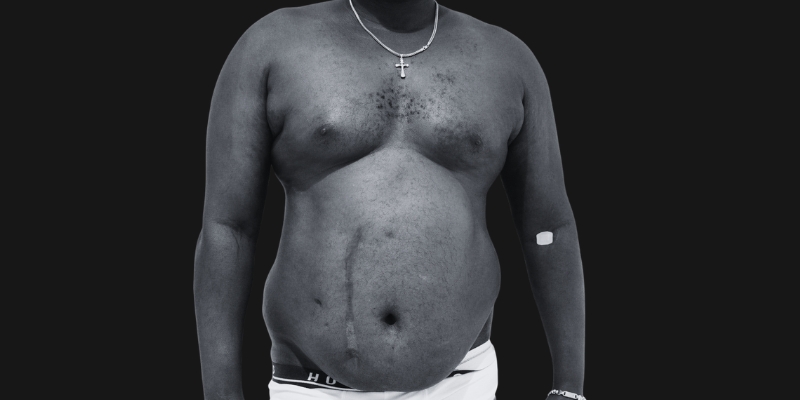
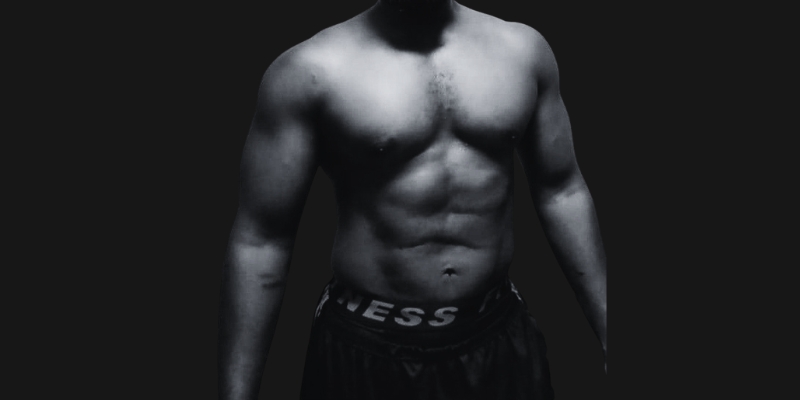
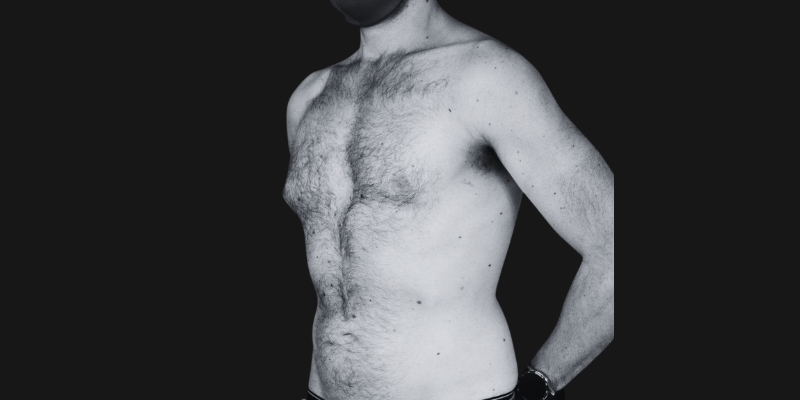

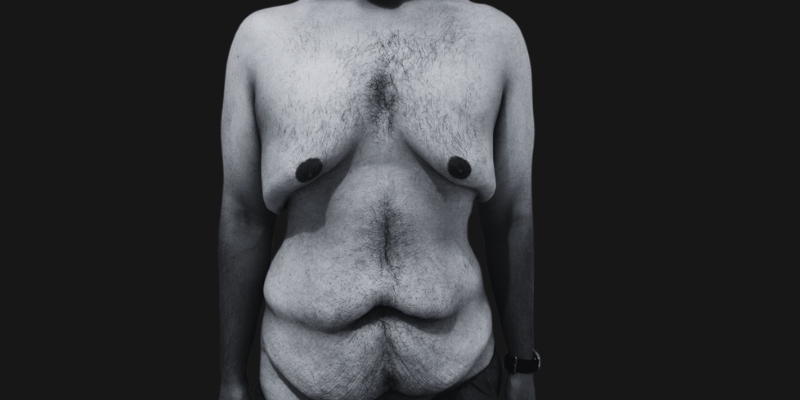
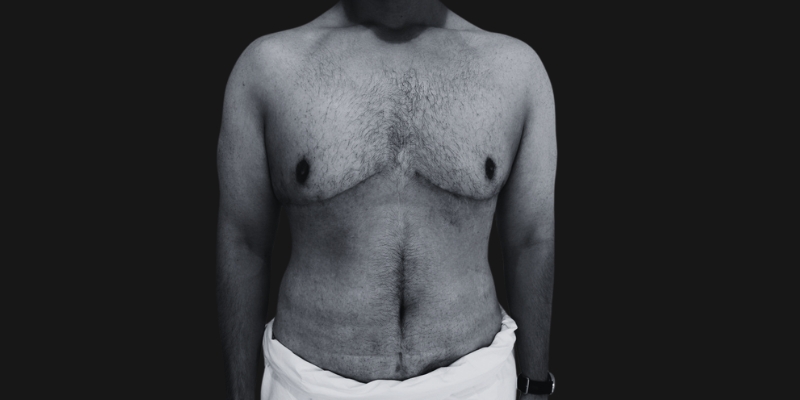
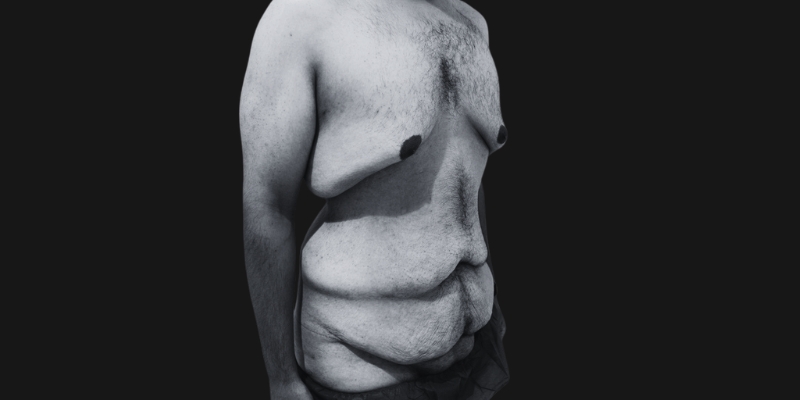
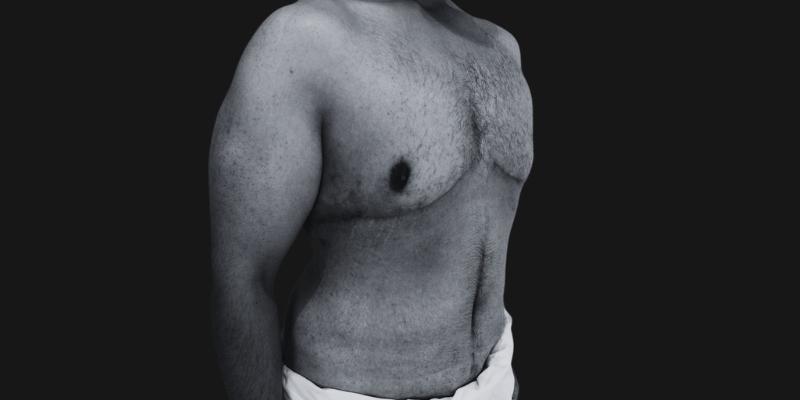
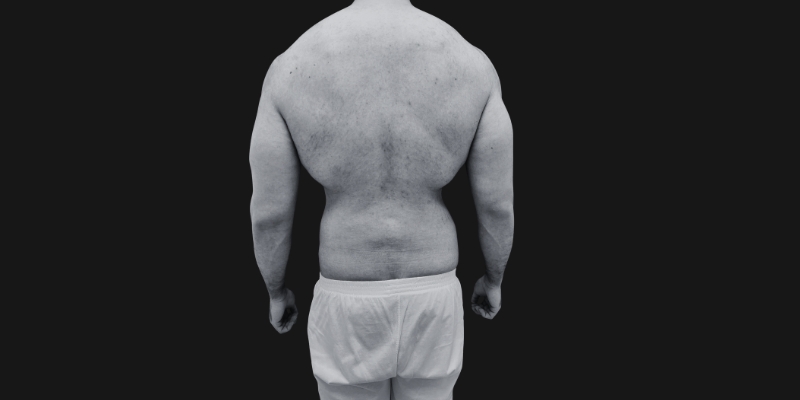
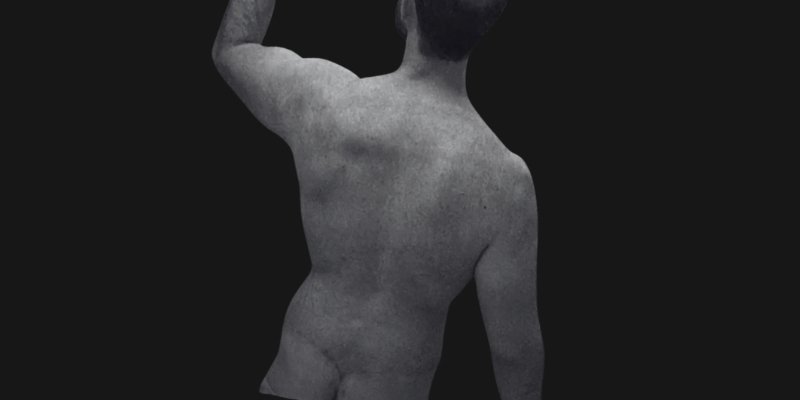
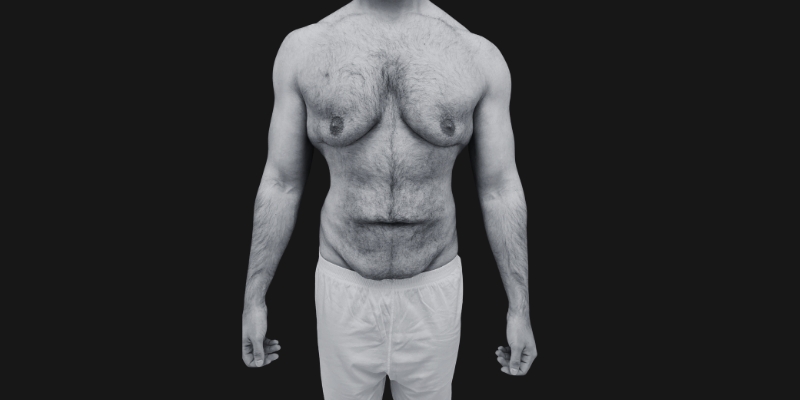
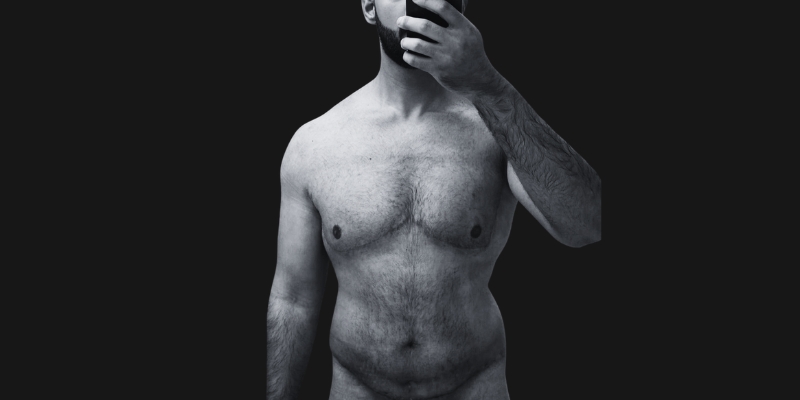
Patients experience
Every Male Chest Lift performed by Dr. Hardik Ganatra reflects meticulous technique and a commitment to natural, proportional aesthetics.
- A flatter, toned stomach
- Improved posture
- Enhanced waist definition
- A more youthful midsection
MALE CHEST LIFT
Before & After
Each Male Chest Lift performed by Dr. Hardik Ganatra showcases a smoother, tighter, and more defined chest contour.

What OUR Patients are saying ?
“Confidence I didn’t think I’d get back.”
“I had worked hard to lose weight, but the loose skin on my chest always held me back. I avoided fitted shirts and even skipped beach trips. Dr. Ganatra explained the male chest lift procedure in detail and made me feel completely at ease. The results look natural and well-defined — I finally feel confident taking my shirt off again.”
— A.R., 27, Dubai
“From hiding under layers to feeling free again.”
“After years of dealing with sagging chest skin post–weight loss, I decided to go for a male chest lift. I was nervous at first, but Dr. Ganatra’s calm and precise approach put me at ease. The transformation gave my chest proper contour and symmetry, and it feels like a weight has been lifted — literally and emotionally.”
— S.K., 32, Dubai
MALE CHEST LIFT Dubai Frequently Asked Questions
1. I was told I have gynecomastia — do I need a chest lift instead?
Possibly — and this is more common than you’d think. Gynecomastia has four grades. Grades 1 and 2 involve glandular tissue and minimal skin excess — corrected with gland removal, with or without liposuction. Grade 3 and 4 involve progressively more skin excess — and Grade 4 presents with significant hanging skin, almost like a female breast shape. That’s not a gland removal case. That’s a chest lift — a more elaborate procedure that removes the excess skin and reshapes the chest properly. If you’ve been told you have gynecomastia but nobody has mentioned skin removal or a chest lift, it’s worth getting a proper assessment. The right diagnosis means the right procedure the first time.
2. Is this the same as gynecomastia surgery?
No — though they can overlap. Gynecomastia surgery removes the glandular tissue — the firm disc under the nipple. A chest lift removes excess skin after massive weight loss. They’re different problems. Where both exist together, I address them in the same procedure.
3. Can training fix loose chest skin?
No — not if there’s genuine skin excess. Building the pectoral muscle underneath actually makes the loose skin more visible, not less. The skin needs to be removed surgically. Training is important for maintaining the result afterward, not for creating it.
4. Will the scar be visible?
There will be a scar — and I won’t pretend otherwise. The incision runs along the natural infrapectoral fold at the lower border of the chest muscle, where it sits in shadow and is hidden by the chest contour. With proper scar management it fades significantly over 12–18 months. The overwhelming majority of patients consider it a completely acceptable trade-off for the result.
5. Do I need a full upper body lift or just a chest lift?
That depends on whether the skin excess extends around to the back. If it’s confined to the front, a chest lift alone is sufficient. If it wraps around — which is common after massive weight loss — an upper body lift gives you the complete result. I assess this properly during your consultation.
6. When do I need to wait before having surgery?
Your weight needs to be stable for at least 6–12 months. For post-bariatric patients, nutritional status — particularly protein and vitamin levels — also needs to be optimized before surgery. I’ll guide you through the preparation process.
7. Will the results last?
Yes — provided your weight stays stable and you maintain a healthy lifestyle. The skin that’s removed is gone. Natural aging continues but the structural improvement from surgery is durable. Significant weight fluctuation can affect the remaining skin over time — which is why weight stability before and after surgery matters.
8. How much does a Male Chest Lift cost in Dubai?
Depends on the extent of skin excess, whether it’s a chest lift alone or a full upper body lift, whether VASER or gynecomastia correction is combined, and operating time. You’ll receive a personalized quote after your consultation with Dr. Ganatra in Dubai.