
Liposuction in Dubai
VASER Liposuction, J-Plasma Liposuction, Lipo 360, Slim-Down Liposuction, and High-Definition Body Contouring by Dr. Hardik Ganatra
Stubborn fat has one job, and it does it well. It hides your shape.
It blurs the waistline. It softens the abdomen. It makes the arms look heavier than they are, thickens the thighs, and buries muscle definition you actually worked for. And worst of all, it ignores everything you throw at it — the diet, the cardio, the discipline, all the things you were told should “just work.”
That’s where liposuction comes in. Done properly, it’s the most reliable way to remove stubborn fat and bring the shape back. But here’s the part most people miss: good liposuction was never about how much fat comes out. It’s about what gets left behind — smooth contours, balanced proportions, a result that still looks like you. Just sharper.
I focus exclusively on body contouring. VASER liposuction, J-Plasma liposuction, high-definition liposuction, Lipo 360, revision liposuction, advanced body sculpting — that’s my entire practice, not a side menu.
My philosophy is simple: liposuction should never make a body look operated. It should make it look slimmer, more defined, and better balanced.
Controlled sculpting. Not vacuuming.
What Is Liposuction?
Liposuction removes stubborn fat from under the skin through small hidden incisions, using thin hollow tubes called cannulas. That’s the textbook definition. In real life, it’s a sculpting tool — and like any tool, the result depends entirely on the hands holding it.
It can treat the abdomen, waist, flanks, back, arms, thighs, chest, double chin, neck, knees, calves — essentially anywhere fat likes to settle in and refuses to leave.
Patients search for it in a dozen different ways:
- Liposuction in Dubai
- VASER liposuction Dubai
- J-Plasma liposuction Dubai
- High-definition liposuction Dubai
- Lipo 360 Dubai
- Body contouring Dubai
- Fat removal surgery Dubai
- Slim-down liposuction Dubai
- Body sculpting Dubai
Whatever you call it, a good result comes down to three things: removing the right amount of fat, keeping the transitions smooth, and letting the skin retract as much as it can.
The key phrase there is the right amount. In liposuction, more is not better. Better is better.
Liposuction Is Not a Weight-Loss Surgery
Let me say this clearly, because I repeat it in almost every consultation: liposuction is a contouring procedure, not a weight-loss procedure.
It removes subcutaneous fat — the layer sitting under your skin. It cannot touch visceral fat, the deeper fat wrapped around your internal organs. And that distinction matters far more than most people realize.
If most of your belly is visceral fat, or you’re carrying significant excess weight, I can remove plenty of fat from under the skin and you’ll still be disappointed — because the fat causing the problem sits on the inside, where no cannula can reach it.
Liposuction shines when you have stubborn pockets that diet, exercise, and lifestyle changes have failed to budge. The goal was never a smaller number on the scale. The goal is better shape, proportion, contour, and definition.
Trying to use liposuction as a weight-loss surgery is like renovating a house by only changing the curtains. Wrong tool. Wrong expectation.

Types of Liposuction Based on Technology
Modern liposuction is not one machine doing one thing. Different technologies exist to make fat removal smoother, sculpting more precise, and skin contraction better. Which one you need depends on your fat distribution, skin quality, fibrosis, previous surgery, and the result you’re actually after.
The options I work with include:
- VASER liposuction
- J-Plasma liposuction
- BodyTite liposuction
- Endolift for skin tightening
- Slim-down liposuction
- High-definition liposuction
- Revision liposuction
Each one has a purpose. Nobody needs every machine. The consultation decides the plan — not the machine, not a trend, and definitely not a procedure name on a brochure.
1. VASER Liposuction
VASER is ultrasound-assisted liposuction. Before the fat is removed, ultrasonic energy softens and emulsifies it, which makes the removal smoother and far more controlled.
There’s a second benefit people rarely talk about: VASER spares the connective tissue under the skin — and that tissue is exactly what helps the skin retract after surgery.
Where I find VASER genuinely useful:
- Abdomen liposuction
- Waist and flank liposuction
- Lipo 360
- Back liposuction
- Arm liposuction
- Chest liposuction
- High-definition liposuction
- Revision liposuction
- Fibrous or previously operated areas
In my practice, VASER is not a marketing gimmick. I use it when it earns its place — fibrous tissue, definition work, revision cases, smoother planning. VASER isn’t really about removing fat. It’s about preparing the fat so the body can be sculpted intelligently.
Some patients have fat along with mild to moderate skin laxity. In those cases, liposuction alone won’t finish the job, and energy-based skin tightening can be added to improve contraction after the fat is out.
2. J-Plasma Liposuction
J-Plasma — also called Renuvion — is an energy-based skin tightening device used under the skin after the fat has been removed. It helps patients with mild to moderate looseness who need more contraction than liposuction alone can deliver.
Areas where it earns its keep:
- Abdomen
- Arms
- Inner thighs
- Back
- Flanks
- Double chin and neck
One caveat, and it matters: J-Plasma must be used carefully. Push the energy too hard and you’re risking burns, irregularities, and tissue injury. This is where judgment comes in.
The machine can help. But it doesn’t think. The surgeon still has to plan the shape.
3. BodyTite Liposuction
BodyTite is radiofrequency-assisted liposuction — controlled RF energy supports skin contraction while the fat comes out.
It works in the right patient: stubborn fat plus mild to moderate skin laxity, usually in the abdomen, arms, thighs, flanks, back, or neck.
4. Endolift for Skin Tightening
Endolift is a minimally invasive, laser-based skin tightening treatment. It isn’t traditional liposuction, but it has a place — smaller areas like the lower face, jawline, and neck, where the main problem is laxity rather than significant fat.
Energy-based devices are tools. The art is knowing when to use them — and when to leave them on the shelf.
5. Slim-Down Liposuction
Not everyone wants six-pack definition. Some patients simply want to look smaller, lighter, and more proportionate — clothes that fit, a silhouette that makes sense. That’s slim-down liposuction.
It suits patients with:
- A bulky abdomen
- A heavy waist or flanks
- Full back rolls
- Thick arms
- Heavy thighs
- Localized fat deposits throwing off body proportion
It is not for severe obesity or a large amount of visceral fat. In those cases, weight loss comes first — lifestyle change, medical weight management, sometimes bariatric treatment — and body contouring surgery comes after.
A word on safety: large-volume liposuction has limits for a reason. In Dubai, safety standards cap how much fat and fluid can be removed in one session, and bigger cases may need to be staged. A safe surgical plan beats an aggressive one every single time.
Slim-down liposuction is not about chasing a litre count. It’s about a smaller, smoother, better-balanced body.
Procedure duration: typically 2.5 to 3.5 hours depending on the number of areas treated.
6. High-Definition Liposuction
High-definition liposuction is body sculpting at its most precise. The goal isn’t just removing fat — it’s revealing the muscle architecture that’s already underneath.
In the abdomen, that means the abs, linea alba, semilunar lines, and obliques. In the chest, defining the pectoral borders and clearing fat near the armpit for a sharper, more athletic look. In the back — upper, middle, and lower definition. In the arms — the deltoids and triceps. Around the knees, cleaner thigh lines. In the calves, a slimmer, more curvaceous leg.
I’ve been involved in bodybuilding and fitness for many years, and that background shapes how I approach this work — muscle lines, symmetry, proportion, where shadows should naturally fall. It’s why I plan high-definition liposuction as controlled body sculpting, never as simple fat removal.
High-definition liposuction is not about drawing artificial lines on a body. It’s about uncovering the anatomy that should have been visible in the first place.
Procedure duration: typically 3 to 3.5 hours, sometimes longer for combined multi-area high-definition cases.
Fat Transfer with High-Definition Liposuction
Here’s something most patients don’t expect: the fat I remove doesn’t have to go to waste. In selected cases, it can be purified and transferred to areas that need shape or volume.
Fat transfer can enhance:
- Chest definition
- Hip dips
- Selected muscle borders
- Buttock shape
- Areas needing volume correction
- Dents or depressions left by previous liposuction
In advanced body contouring cases, fat can even be injected into selected muscles to enhance their volume — a technique known as intramuscular fat grafting. When ultrasound guidance is used, this may be called ultrasound-guided fat grafting, or U-Graft.
The one firm exception is buttock fat transfer, also called BBL. For safety, fat goes above the muscle. Never inside it. That’s a rule, not a preference.
Fat is not waste. In the right patient, it’s sculpting material.
7. Revision Liposuction and Botched Liposuction Correction
Revision liposuction improves or corrects the result of a previous surgery — and it’s a major part of what I do. More than 50% of my body contouring work involves revision liposuction, correction liposuction, or improving unsatisfactory results from liposuction done elsewhere.
The concerns patients bring me most often:
- Inadequate fat removal
- Residual fat bulges
- Lumps
- Dents
- Depressions
- Asymmetry
- Fibrosis
- Irregular skin texture
- Poor definition
- Results that look unfinished
- Botched liposuction results
Revision is more complex than first-time liposuction because the tissue has already been operated on. There’s scar tissue, hardness, adhesions, areas where fat was taken unevenly. Correction might mean removing leftover fat, smoothing irregularities, releasing fibrosis, sharpening definition — or sometimes grafting fat back into dents and depressions.
It takes experience, patience, and a deep understanding of body contouring. And to be clear: correction isn’t about blaming the previous surgery. It’s about understanding the problem and building a better plan.
Liposuction Areas Treated
Liposuction isn’t one operation. It’s a family of them. Every area of the face and body has its own surgical plan, incision placement, and contouring logic.
Each of these areas should have its own dedicated service page.
Face and Neck Liposuction
Double Chin Liposuction
Arm Liposuction
Reduces fat from the upper arms and improves arm shape. It works best when there’s excess fat with good skin elasticity. If the skin is loose, J-Plasma or an arm lift enters the conversation.
Lipo 360
Lipo 360 treats the abdomen, waist, flanks, and back as one continuous, circumferential contour. Treating only the front of the abdomen and ignoring everything around it leaves a torso that looks unfinished.
The body is three-dimensional. So I plan it that way.
Chest Liposuction
Reduces fat in the chest area and improves chest contour. If glandular tissue is present, liposuction may need to be combined with gland excision.
Breast Liposuction
Buttock Liposuction
Thigh Liposuction
Calf Liposuction
Lipedema Liposuction
Lipedema is a chronic fat distribution condition, usually affecting the legs and sometimes the arms — disproportionate fat accumulation, heaviness, tenderness, easy bruising, and fat that refuses to respond to dieting.
Lipedema liposuction is a different discipline from cosmetic liposuction. It needs careful planning, often staged treatment, and a focus on both contour and symptom relief.
How Is Liposuction Performed?
Liposuction follows a logical sequence. The details shift depending on the area, the volume of fat, the technology used, and whether the goal is slimming or high-definition sculpting — but the skeleton stays the same.
Step 1: Marking
Before anything else, the areas are marked while the patient is standing. Fat behaves differently when you lie flat, so standing markings show the real picture: the deposits, the natural shadows, the asymmetries, the zones that need shaping. For high-definition liposuction, muscle lines and anatomical borders are mapped as well.
Good marking is where the surgery begins. The body is sculpted before the first incision is ever made.
Step 2: Fluid Infiltration
The first surgical step is infiltrating fluid into the fat. It softens the tissue, carries lidocaine to reduce pain during and after the procedure, and adrenaline to limit bleeding and bruising. Safer, smoother, and far more comfortable for the patient.
Step 3: VASER Emulsification
If VASER is part of the plan, ultrasound energy goes in after the fluid. It emulsifies the fat so removal becomes easier — and it preserves the connective tissue under the skin that supports retraction afterwards.
Step 4: Fat Aspiration
Then comes the actual removal. Cannulas — thin, hollow metallic tubes — extract the fat with suction.
This is where judgment lives. It was never about removing as much fat as possible. A good result depends on taking the right fat, preserving smooth transitions, and avoiding over-removal.
A cannula removes fat. The surgeon has to know what to remove, what to leave, and when to stop.
Step 5: Skin Tightening When Needed
For mild to moderate skin laxity, tightening may be added — J-Plasma, BodyTite, Endolift, or other options in selected areas. These technologies help with contraction. But no device replaces skin removal surgery when the looseness is significant.
Step 6: Incisions, Internal Stitches, and Drainage
All incisions are planned in hidden or discreet areas wherever possible, and most are closed with internal stitches placed under the skin — they usually don’t need removal.
In selected areas, I deliberately leave some dependent incisions open for a short time to let excess fluid drain — lower abdominal incisions, elbow-area incisions in arm liposuction, or the sacral incision above the buttock crease. Yes, the drainage looks messy for the first day or two. It’s also doing you a favor: less fluid trapped inside means less swelling, less pressure, and less pain.
Messy doesn’t always mean worrying. Sometimes it means the body is draining exactly as planned.
Anesthesia, Recovery, Garments, and Results After Liposuction
The type of anesthesia depends on the size of the area, the number of areas being treated, and patient comfort.
Small areas — the lower abdomen, axillary breast fat, the double chin — can be done under local anesthesia. Medium cases sometimes work with local anesthesia plus IV sedation. Larger procedures — Lipo 360, multi-area liposuction, high-definition liposuction, or combined surgeries — are done under general anesthesia.
Either way, the procedure happens in a hospital setup. Patient safety isn’t negotiable.
How Long Does Liposuction Take?
Duration depends on which areas are treated, how much fat is involved, and whether energy-based devices are part of the plan. Here’s a realistic breakdown by procedure:
- Double chin liposuction: approximately 30 minutes
- Calf liposuction (standalone): approximately 45 minutes
- Arm liposuction: 1 to 1.5 hours
- Face and neck liposuction: 1 to 1.5 hours
- Thigh liposuction: 2 to 2.5 hours
- Slim-down liposuction: 5 to 3.5 hours depending on number of areas
- Lipo 360: 5 to 3.5 hours
- Lipedema liposuction: 5 to 3.5 hours depending on number of areas
- High-definition liposuction: 3 to 3.5 hours, sometimes longer for extensive multi-area cases
For larger or combined procedures, the patient usually stays one night in the hospital and is reviewed before discharge the following day.
Recovery After Liposuction
Recovery varies with the area treated, the amount of fat removed, your body type, and whether energy-based devices like VASER, J-Plasma, or BodyTite were involved.
Expect soreness, tightness, swelling, bruising, and general discomfort. Pain usually peaks between day 2 and day 4, then steadily improves. I give patients strong painkillers and antibiotics for the first five days — most don’t need the strong painkillers beyond that point.
Swelling typically builds for up to two weeks before it starts coming down. A good visible result usually appears around six weeks. The final result takes about 3 to 6 months — longer for larger body frames, bigger treatment areas, revision liposuction, or cases with energy-based skin tightening.
The first few weeks can be misleading. Swelling has a dramatic personality.
Compression Garments After Liposuction
Compression garments are not optional in my practice. They reduce swelling, support the treated areas, improve comfort, and help the skin settle into its new shape.
I advise a minimum of one month of garment wear after liposuction. For larger procedures — high-definition liposuction, Lipo 360, revision cases, or anything involving energy-based skin tightening — that may extend up to two months.
They’re not glamorous. Nobody said they were. But they matter.
Lymphatic Massage After Liposuction
Lymphatic massage helps with swelling, stiffness, and comfort during recovery. I usually start patients on day 2 or day 3 after surgery, depending on comfort, and recommend at least 10 sessions on alternate days — performed by therapists trained specifically in post-liposuction care.
I treat aftercare as part of the surgery. Not an optional extra.
When Will I See Results?
Liposuction results appear gradually. The typical timeline:
- First week: swelling, soreness, bruising, and fluid drainage
- Two weeks: swelling may peak, then begin to reduce
- Three to six weeks: visible improvement starts
- Six weeks: many patients see a good early result
- Three to six months: the final contour becomes clear
If J-Plasma, BodyTite, or other energy-based devices were used, give it longer — skin contraction keeps improving gradually.
Liposuction is not an instant reveal. It’s a gradual unveiling.
Liposuction Cost in Dubai
Pricing depends on the procedure, the technology used, the number of areas treated, and whether skin tightening is added. The figures below are starting points — your exact quote is discussed and confirmed during consultation, once I’ve assessed your anatomy and planned what actually makes sense for your body.
Each of these areas should have its own dedicated service page.
All prices are in AED.
| Procedure | Price |
|---|---|
| Arm Liposuction |
|
| Lipo 360 |
|
| Back Liposuction |
|
| Double Chin Liposuction |
|
| Face & Neck Liposuction |
|
| Thigh Liposuction | Starting from AED 30,000 |
| Calf Liposuction |
|
| Buttock Liposuction |
|
| Lipedema Liposuction (Lower Body) | Starting from AED 40,000 |
| Male Chest (Gynecomastia) |
|
These are starting-from figures. Final pricing is based on a full assessment during consultation. A procedure that looks straightforward in a photo is not always straightforward in the operating room — skin quality, previous surgeries, fat distribution, and the level of definition required all affect planning and cost.
Risks and Side Effects of Liposuction
Performed by an experienced plastic surgeon in a proper medical facility, liposuction is generally safe. But it’s still surgery, and every surgery carries risks. I’d rather you read this list than pretend it doesn’t exist.
Common temporary side effects include:
- Swelling
- Bruising
- Soreness
- Tightness
- Numbness
- Fluid leakage
- Temporary hardness
- Temporary lumpiness
- Temporary asymmetry during healing
Possible risks include:
- Infection
- Bleeding
- Seroma
- Skin irregularities
- Loose skin
- Asymmetry
- Pigmentation changes
- Scarring
- Burns from energy-based devices
- Delayed healing
- Deep vein thrombosis
- Fat embolism
- Need for revision surgery
Careful patient selection, proper planning, safe anesthesia, hospital-based surgery, and disciplined post-operative care keep these risks low.
I would rather plan safely than operate aggressively. A beautiful result is not worth a reckless plan.


Why Choose Dr. Hardik Ganatra for Liposuction in Dubai?
Body contouring isn’t one of the things I do. It’s the thing I do. VASER liposuction, J-Plasma liposuction, high-definition liposuction, Lipo 360, revision liposuction, correction liposuction, and post-weight-loss body contouring — that’s the entire practice.
Years of involvement in bodybuilding and fitness taught me to read the body aesthetically — muscle lines, proportions, symmetry, definition, natural shape. It’s why I’ve never seen liposuction as simple fat removal. I see it as body sculpting.
A large share of my work is also fixing other people’s liposuction. Patients come to me after previous surgeries with lumps, dents, asymmetries, residual fat, loose skin, fibrosis, or definition that simply never appeared. That experience changes how you operate the first time around.
My goal stays the same in every case: results that are safe, smooth, proportionate, and naturally defined. Not overdone. Not artificial. Just better.
Liposuction
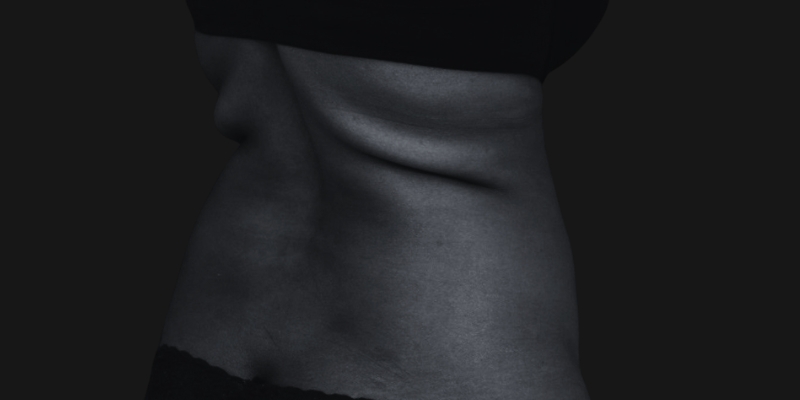
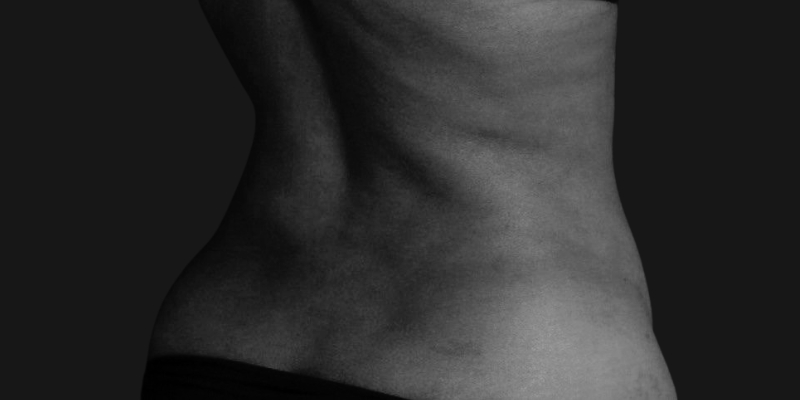
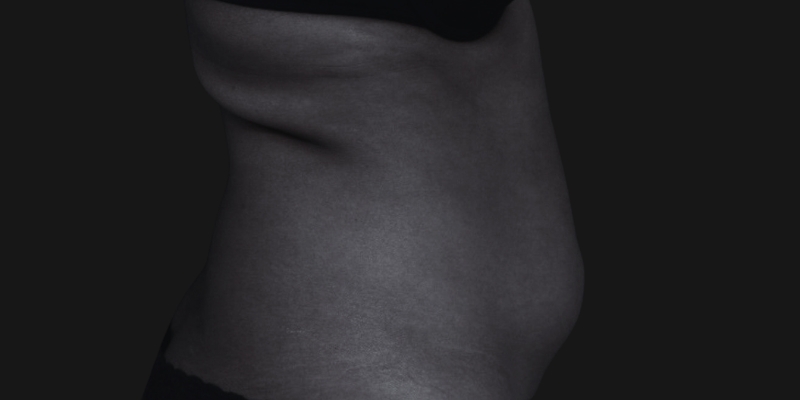
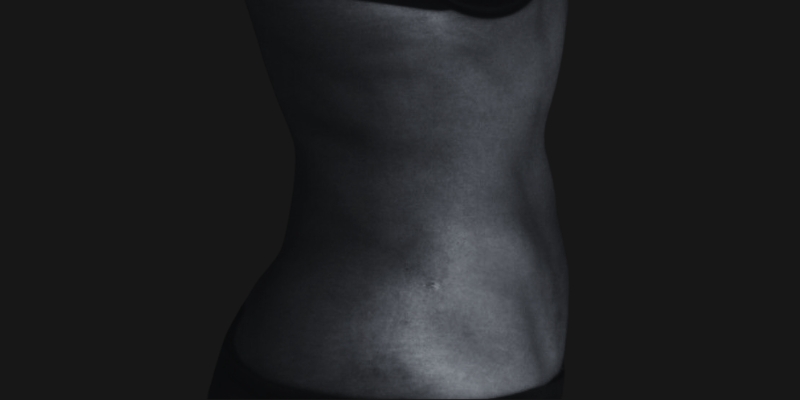
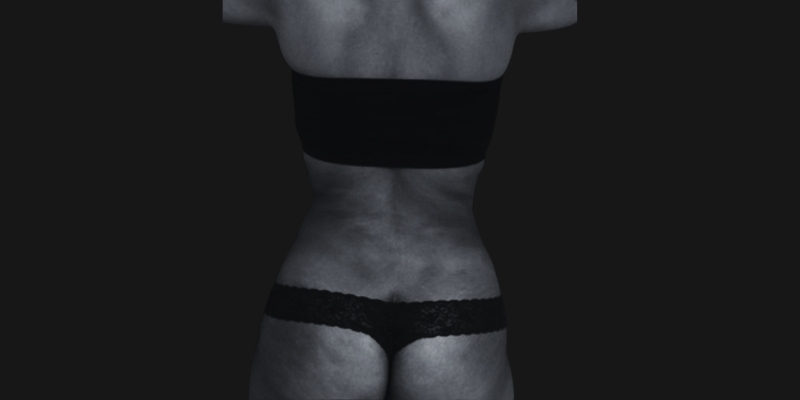
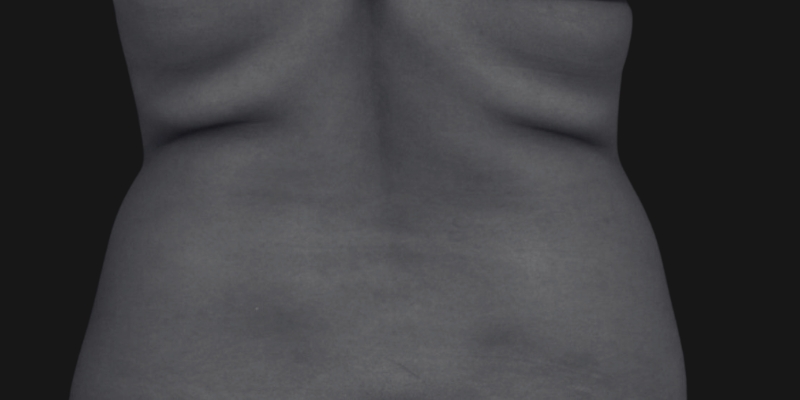
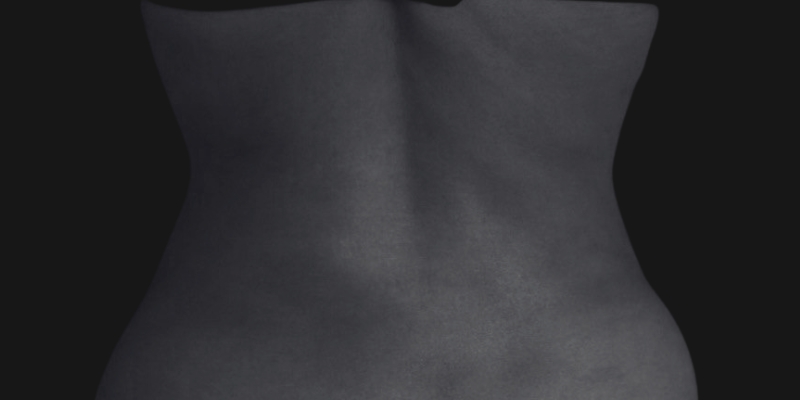
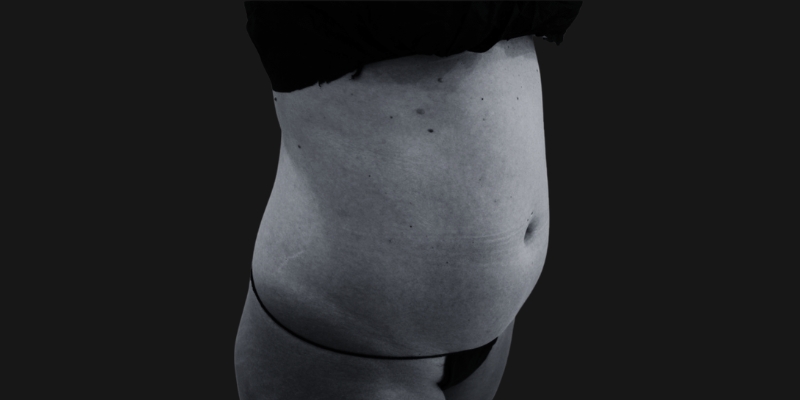
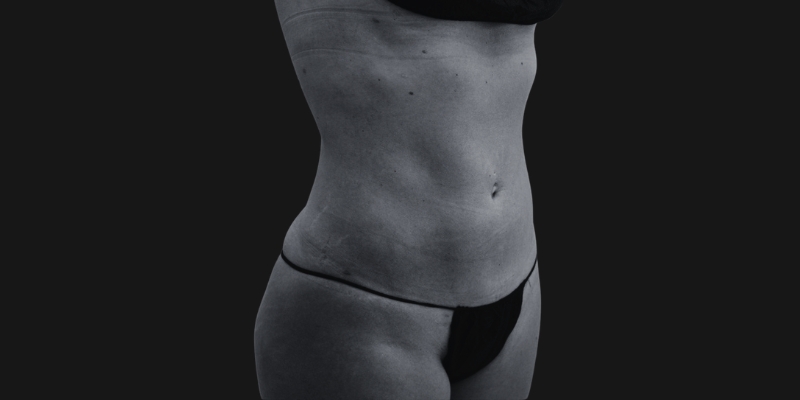
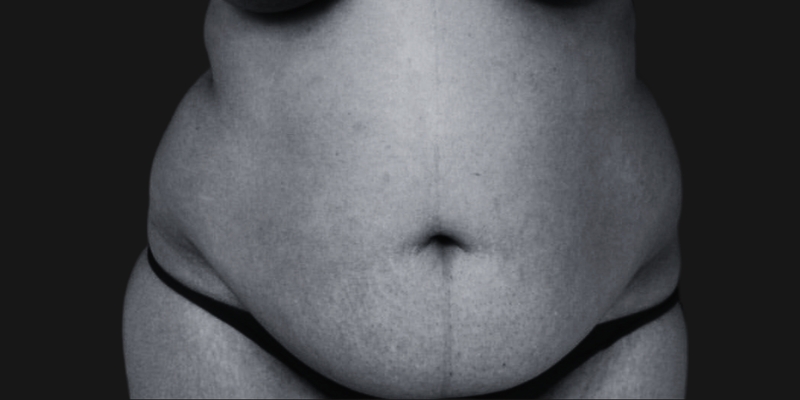
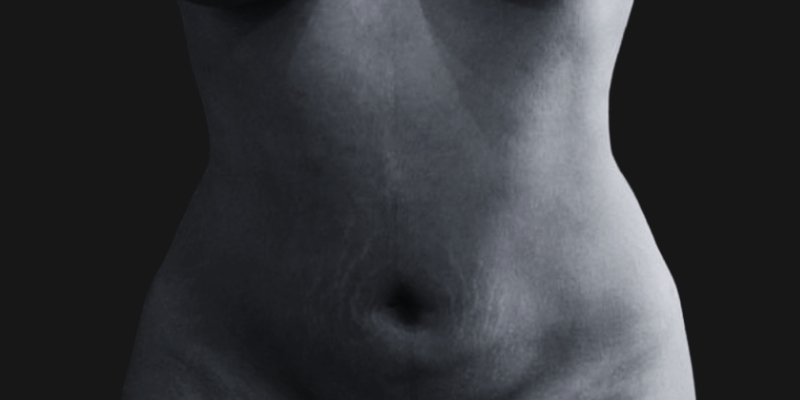
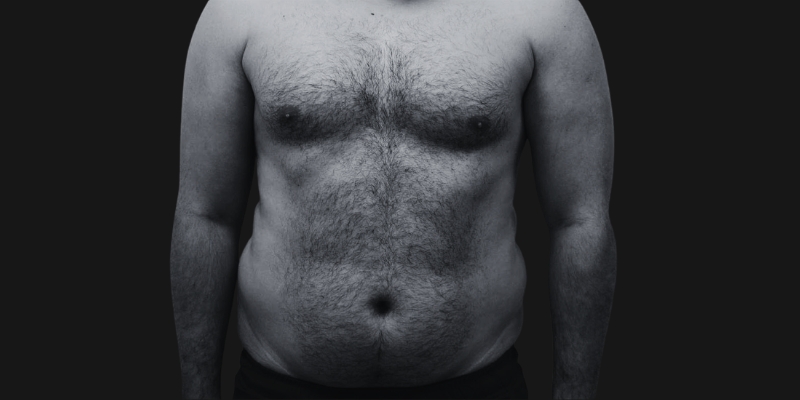
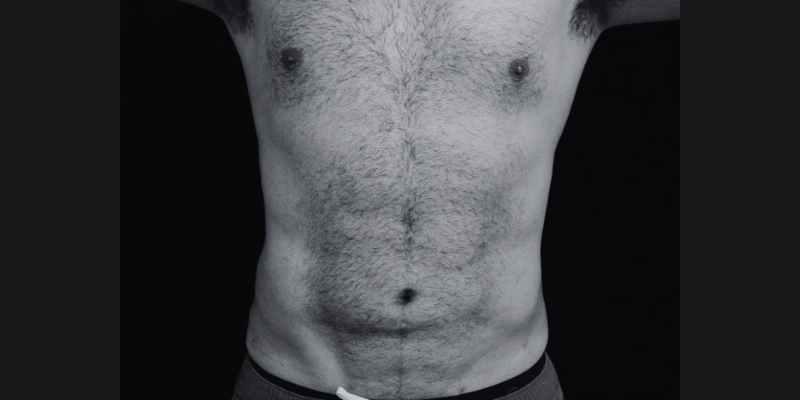
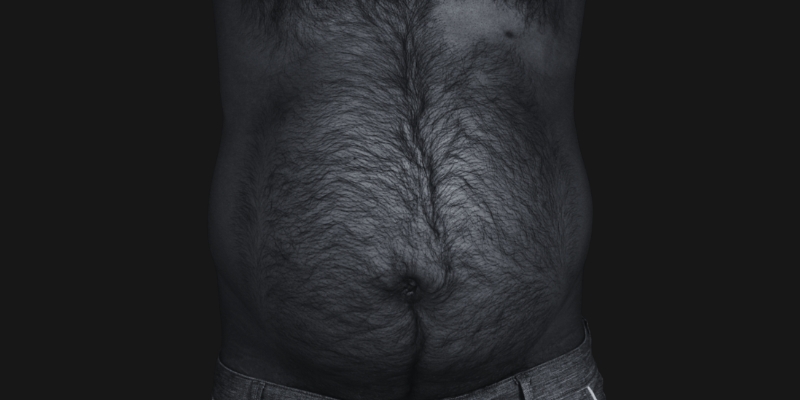
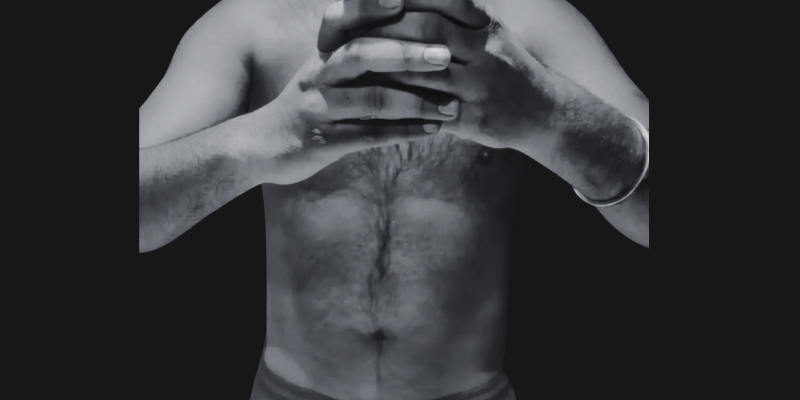
Before & After
View real transformations that showcase natural definition and proportionate shape enhancement. Each result represents thoughtful contouring, not overcorrection.

VASER Liposuction Frequently Asked Questions
Is liposuction a weight-loss surgery?
No. I explain this very clearly during consultation. Liposuction is for contouring, not weight loss. It removes fat under the skin and improves shape; it does not replace diet, exercise, or medical weight management.
Who is a good candidate for liposuction?
I look for stubborn fat deposits, reasonable skin quality, stable weight, good health, and realistic expectations. If the problem is loose skin or visceral fat, liposuction alone may not be the right answer.
Can liposuction remove visceral belly fat?
No. Liposuction removes subcutaneous fat — the fat under the skin. Visceral fat sits deeper, around the organs, and needs weight loss and lifestyle management.
What is VASER liposuction?
VASER uses ultrasound energy to soften fat before removal. I use it when it genuinely helps — especially in fibrous areas, high-definition cases, revision liposuction, and body sculpting.
Does VASER liposuction tighten skin?
VASER may support skin retraction in selected patients, but it is not a skin removal procedure. If the skin is loose, I may discuss J-Plasma, BodyTite, or skin removal surgery.
What is J-Plasma liposuction?
J-Plasma is used after fat removal to help the skin contract in selected patients. I usually consider it when there is mild to moderate skin laxity.
Is J-Plasma or BodyTite worth adding to liposuction?
It can be, if the patient has fat plus mild skin looseness. I don’t use these devices as magic solutions. If the skin is significantly loose, a lift or tummy tuck is the more honest answer.
Can liposuction replace a tummy tuck?
No. Liposuction removes fat. A tummy tuck removes loose skin and repairs muscle separation when needed. If the abdomen has hanging skin or diastasis, liposuction alone will disappoint.
Can liposuction make loose skin worse?
VASER (Vibration Amplification of Sound Energy at Resonance) is an ultrasound-assisted liposuction technique. The ultrasound energy helps loosen fat cells so they can be removed more smoothly through small cannulas.
What is slim-down liposuction?
VASER (Vibration Amplification of Sound Energy at Resonance) is an ultrasound-assisted liposuction technique. The ultrasound energy helps loosen fat cells so they can be removed more smoothly through small cannulas.
What is high-definition liposuction?
VASER (Vibration Amplification of Sound Energy at Resonance) is an ultrasound-assisted liposuction technique. The ultrasound energy helps loosen fat cells so they can be removed more smoothly through small cannulas.
What is Lipo 360?
VASER (Vibration Amplification of Sound Energy at Resonance) is an ultrasound-assisted liposuction technique. The ultrasound energy helps loosen fat cells so they can be removed more smoothly through small cannulas.
How much does liposuction cost in Dubai?
VASER (Vibration Amplification of Sound Energy at Resonance) is an ultrasound-assisted liposuction technique. The ultrasound energy helps loosen fat cells so they can be removed more smoothly through small cannulas.
How much fat can be removed with liposuction?
VASER (Vibration Amplification of Sound Energy at Resonance) is an ultrasound-assisted liposuction technique. The ultrasound energy helps loosen fat cells so they can be removed more smoothly through small cannulas.
Can fat come back after liposuction?
VASER (Vibration Amplification of Sound Energy at Resonance) is an ultrasound-assisted liposuction technique. The ultrasound energy helps loosen fat cells so they can be removed more smoothly through small cannulas.
Why do I look swollen after liposuction?
VASER (Vibration Amplification of Sound Energy at Resonance) is an ultrasound-assisted liposuction technique. The ultrasound energy helps loosen fat cells so they can be removed more smoothly through small cannulas.
When will I see my final liposuction result?
VASER (Vibration Amplification of Sound Energy at Resonance) is an ultrasound-assisted liposuction technique. The ultrasound energy helps loosen fat cells so they can be removed more smoothly through small cannulas.
Is liposuction painful?
VASER (Vibration Amplification of Sound Energy at Resonance) is an ultrasound-assisted liposuction technique. The ultrasound energy helps loosen fat cells so they can be removed more smoothly through small cannulas.
What is the downtime after liposuction?
VASER (Vibration Amplification of Sound Energy at Resonance) is an ultrasound-assisted liposuction technique. The ultrasound energy helps loosen fat cells so they can be removed more smoothly through small cannulas.
How long do I need to wear compression garments after liposuction?
VASER (Vibration Amplification of Sound Energy at Resonance) is an ultrasound-assisted liposuction technique. The ultrasound energy helps loosen fat cells so they can be removed more smoothly through small cannulas.
Are lymphatic massages necessary after liposuction?
VASER (Vibration Amplification of Sound Energy at Resonance) is an ultrasound-assisted liposuction technique. The ultrasound energy helps loosen fat cells so they can be removed more smoothly through small cannulas.
Is it normal to have hard lumps after liposuction?
VASER (Vibration Amplification of Sound Energy at Resonance) is an ultrasound-assisted liposuction technique. The ultrasound energy helps loosen fat cells so they can be removed more smoothly through small cannulas.
What is fibrosis after liposuction?
VASER (Vibration Amplification of Sound Energy at Resonance) is an ultrasound-assisted liposuction technique. The ultrasound energy helps loosen fat cells so they can be removed more smoothly through small cannulas.
Can liposuction cause dents or irregularities?
VASER (Vibration Amplification of Sound Energy at Resonance) is an ultrasound-assisted liposuction technique. The ultrasound energy helps loosen fat cells so they can be removed more smoothly through small cannulas.
Can botched liposuction be fixed?
VASER (Vibration Amplification of Sound Energy at Resonance) is an ultrasound-assisted liposuction technique. The ultrasound energy helps loosen fat cells so they can be removed more smoothly through small cannulas.
When should I consider revision liposuction?
VASER (Vibration Amplification of Sound Energy at Resonance) is an ultrasound-assisted liposuction technique. The ultrasound energy helps loosen fat cells so they can be removed more smoothly through small cannulas.
Can liposuction treat cellulite?
VASER (Vibration Amplification of Sound Energy at Resonance) is an ultrasound-assisted liposuction technique. The ultrasound energy helps loosen fat cells so they can be removed more smoothly through small cannulas.
Can liposuction be done on the arms?
VASER (Vibration Amplification of Sound Energy at Resonance) is an ultrasound-assisted liposuction technique. The ultrasound energy helps loosen fat cells so they can be removed more smoothly through small cannulas.
Can liposuction be done on the thighs?
VASER (Vibration Amplification of Sound Energy at Resonance) is an ultrasound-assisted liposuction technique. The ultrasound energy helps loosen fat cells so they can be removed more smoothly through small cannulas.
Can liposuction be done for lipedema?
VASER (Vibration Amplification of Sound Energy at Resonance) is an ultrasound-assisted liposuction technique. The ultrasound energy helps loosen fat cells so they can be removed more smoothly through small cannulas.
Can liposuction be combined with fat transfer?
VASER (Vibration Amplification of Sound Energy at Resonance) is an ultrasound-assisted liposuction technique. The ultrasound energy helps loosen fat cells so they can be removed more smoothly through small cannulas.
Is BBL fat injected into the muscle?
VASER (Vibration Amplification of Sound Energy at Resonance) is an ultrasound-assisted liposuction technique. The ultrasound energy helps loosen fat cells so they can be removed more smoothly through small cannulas.
Are liposuction scars visible?
VASER (Vibration Amplification of Sound Energy at Resonance) is an ultrasound-assisted liposuction technique. The ultrasound energy helps loosen fat cells so they can be removed more smoothly through small cannulas.
Why is fluid leaking after liposuction?
VASER (Vibration Amplification of Sound Energy at Resonance) is an ultrasound-assisted liposuction technique. The ultrasound energy helps loosen fat cells so they can be removed more smoothly through small cannulas.
When can I return to work after liposuction?
VASER (Vibration Amplification of Sound Energy at Resonance) is an ultrasound-assisted liposuction technique. The ultrasound energy helps loosen fat cells so they can be removed more smoothly through small cannulas.
When can I exercise after liposuction?
VASER (Vibration Amplification of Sound Energy at Resonance) is an ultrasound-assisted liposuction technique. The ultrasound energy helps loosen fat cells so they can be removed more smoothly through small cannulas.
Why do some people regret liposuction?
VASER (Vibration Amplification of Sound Energy at Resonance) is an ultrasound-assisted liposuction technique. The ultrasound energy helps loosen fat cells so they can be removed more smoothly through small cannulas.
How do I maintain liposuction results?
VASER (Vibration Amplification of Sound Energy at Resonance) is an ultrasound-assisted liposuction technique. The ultrasound energy helps loosen fat cells so they can be removed more smoothly through small cannulas.
How do I know which liposuction technique is right for me?
VASER (Vibration Amplification of Sound Energy at Resonance) is an ultrasound-assisted liposuction technique. The ultrasound energy helps loosen fat cells so they can be removed more smoothly through small cannulas.
Book a Consultation for Liposuction in Dubai
If you’re considering liposuction in Dubai, start with a proper consultation — not an Instagram DM quote, an actual assessment. We’ll look at your fat distribution, skin quality, muscle definition, previous surgeries, and what you actually want to achieve.
Slim-down liposuction, VASER, J-Plasma, BodyTite, Lipo 360, high-definition, or revision — the right plan is customized to your body, not copied from a trend.
Book a consultation with Dr. Hardik Ganatra to find out which liposuction option is the safest and most effective for you.