
AVELI, NEEDLE SUBCISION, BIO STIMULATORS & FILLERS
Cellulite Treatment In Dubai
Subcision, biostimulators, fat grafting, liposuction, J-Plasma and surgical lifting.
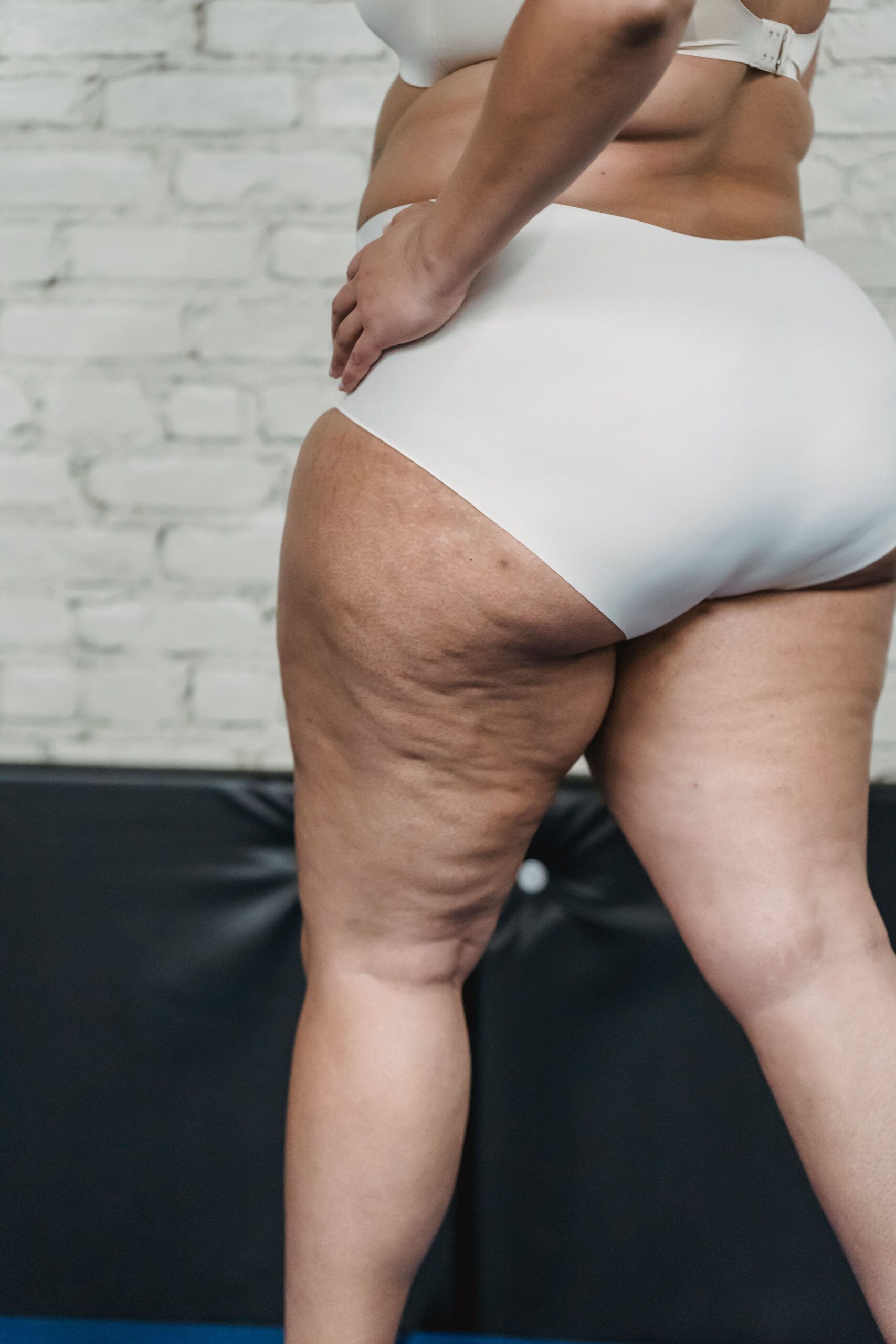
Cellulite isn't one problem. It can be a small superficial pit, a deep tethered dimple, a diffuse orange-peel texture, swelling, lipedema, volume loss, or loose skin after weight loss. Each has a different cause, sits in a different layer, and needs a different plan — which is why so many patients have tried so many things and still come in with the same dimples.
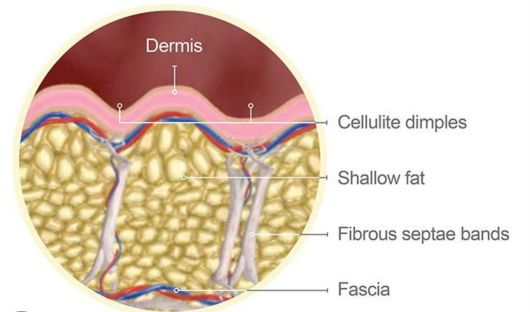
Most arrive having worked through creams, massages, radiofrequency and various anti-cellulite devices. That's usually because, for most patients, cellulite isn't a surface problem — it's structural. Fibrous bands under the skin act like tethers, pulling the skin down while the surrounding fat pushes outward around them. No topical reaches those bands.
So the question I ask isn't “what's the best cellulite treatment?” It's: what type of cellulite do you have, and what layer is actually causing it?
What Actually Causes Cellulite?
Cellulite shows up as dimples, pits, waviness or orange-peel texture on the buttocks, thighs, hips and lower body. It's extremely common and influenced by genetics, hormones, skin structure, age and body composition — it isn't a sign of being unhealthy, and it doesn't correlate reliably with weight.
The structural cause is the relationship between the skin, the fat layer below it, and the fibrous bands running through that fat. When those bands become tethered or pull unevenly, the skin is dragged downward while surrounding tissue pushes out — that's the dimple. This is why deep cellulite doesn't disappear with training: exercise improves tone and weight loss reduces fat, but if a band is physically pulling the skin down, the band has to be released. Skin quality is the other half — collagen thins with age and hormonal change, and after major weight loss the skin envelope may stop supporting the tissue underneath, making existing dimples look worse.
Types Of Cellulite — and the Right Treatment Direction
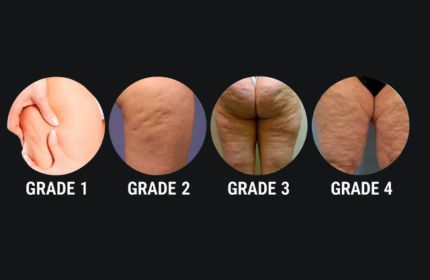
Not every dimple is the same, and treating them the same way is how patients end up disappointed. The plan is built around type, depth, skin quality, volume and tissue laxity:
| Type | What you see | Treatment direction |
|---|---|---|
| Superficial focal pit | A small pit with reasonably good surrounding skin | Targeted subcision — needle or device-assisted band release |
| Deep tethered pit | A stronger dimple, pulled down, visible even at rest | Subcision + Sculptra / Lanluma / Radiesse, or fat grafting for support |
| Diffuse orange-peel texture | Many small irregularities, no single pit | Selective subcision + collagen stimulation + skin-quality |
| With edema / lipedema | Heavy legs, swelling, tenderness, disproportionate fat | Treat the tissue load first; subcision later for residual pits |
| Loose skin after weight loss | Sagging, buttock descent, posterior thigh folds | Buttock lift, lower body lift or thigh lift; subcision secondary |
The goal isn't to recommend one device. It's to treat the correct layer.
Cost, Duration & Setting
Pricing depends on the type of cellulite, the treatment or combination required, and the number of areas or sessions. Starting-from prices in AED — your exact quote is confirmed after a full assessment:
All prices are in AED.
| Treatment | Starting Price (AED) | Session Time | Setting |
|---|---|---|---|
| Cellulite subcision | 5,000 | 30–60 minutes | Outpatient / clinic |
| Device-assisted band release (Avéli) | 18,000 | 60–90 minutes | Outpatient / clinic |
| Lanluma X treatment | 4,000 | 30–45 minutes | Outpatient / clinic |
| Sculptra treatment | 3,000 per vial | 30–45 minutes | Outpatient / clinic |
| Body filler | 2,500 per 10 ml syringe | 30–45 minutes | Outpatient / clinic |
Liposuction, J-Plasma, fat grafting and surgical lifts (buttock or thigh lift) are priced separately and confirmed at consultation. Combination treatments are quoted as a complete plan — no treatment should be decided without knowing the full picture first.
Why Choose Dr. Hardik Ganatra for Cellulite Treatment?
Cellulite is where a device-led approach fails most often. I don't start from a machine — I start from a diagnosis: what type, what depth, what layer.
I work exclusively in body contouring, so subcision, biostimulators, fat grafting, VASER liposuction, J-Plasma and surgical lifting are all on the table, and I use whichever the tissue actually needs — often in stages.
My background in fitness and bodybuilding shapes how I read lower-body proportion, buttock position and skin quality. And I'll tell you honestly when the real problem is loose skin or lipedema rather than cellulite, because that changes the whole plan.


Are You a Good Candidate?
Cellulite treatment is most predictable when the cause is understood and expectations are realistic. You're likely a good candidate if you have:
- Identifiable focal tethered dimples with good skin quality
- Specific diffuse texture, or volume-related depressions
- Skin laxity with a clear surgical plan
It works best when the diagnosis is clear before anything is done. If the main issue is heaviness or lipedema, or loose skin after weight loss, the plan shifts accordingly.
Before Your Treatment — The Consultation
A Good Cellulite Consultation Includes:
- Standing appearance
- Pinch test
- Lying-down appearance
- Depth and number of pits
- Skin quality
- Buttock position
- Posterior thigh laxity
- Signs of edema or lipedema
- Previous liposuction or surgery
- Weight-loss history
- Assessment of whether a single treatment or staged plan is more suitable
- Photography (since cellulite shifts with lighting, posture, and position)
- Ultrasound in selected or previously treated cases (for tissue depth and fibrosis detail)


How Treatment Works — Release, Then Support
Whatever the type, the core principle of most effective cellulite treatment is the same: find the specific fibrous band pulling the skin down, and release it.
Subcision (needle or device-assisted)
An instrument is passed beneath the skin to cut or separate the tethering band at the correct depth. Both needle subcision (in experienced hands, with ultrasound monitoring) and newer targeted-release devices work — the right choice matches the anatomy, not the trend. Ultrasound guidance helps in complex or previously treated tissue.
Support after release
Releasing the band is often not enough on its own. Sculptra and Lanluma stimulate the body’s own collagen over weeks to months; hyperdiluted Radiesse improves skin firmness; fat grafting restores volume beneath a depression when the tissue has genuinely deflated. These support the skin after release — none of them cut a band.
Liposuction, J-Plasma & lifting
Liposuction handles contour and heavy or lipedema-type fat — it doesn’t remove classic dimples, and can worsen surface irregularity if laxity is ignored. J-Plasma tightens the skin envelope when laxity contributes. And when the skin has genuinely descended after weight loss, a buttock, lower body or thigh lift does what no injectable or subcision can, with subcision then handling any remaining focal dimples.
Sometimes more technology isn't the answer. Sometimes it's surgery.
Recovery & Aftercare
Recovery depends entirely on the treatment:
- Subcision / band release: bruising, tenderness, swelling and temporary firmness for one to two weeks; light daily activity resumes quickly; exercise and direct pressure restricted briefly.
- Biostimulators (Sculptra, Lanluma, Radiesse): mild swelling or bruising at injection sites; results develop gradually over weeks to months.
- Fat grafting: depends on how much was transferred and whether liposuction was done at the same time; compression and activity changes for a few weeks.
- Liposuction / J-Plasma: compression garments, swelling management, lymphatic massage and a longer return to exercise.
- Buttock / lower body lift: surgical recovery with wound care, activity restrictions, possible drains and a gradual return to exercise — discussed individually.
Cellulite Treatment
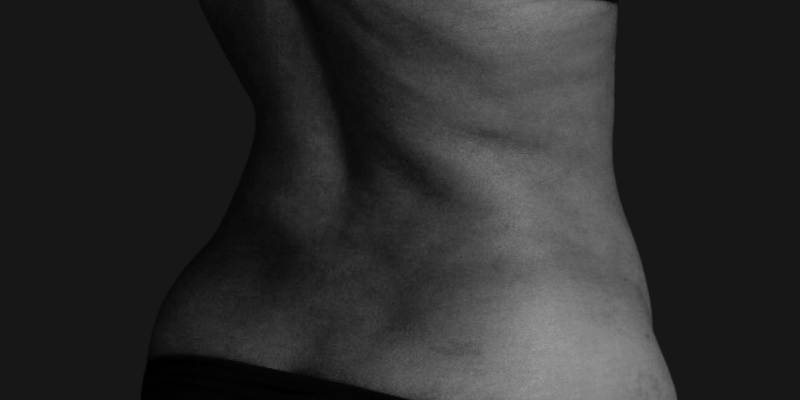
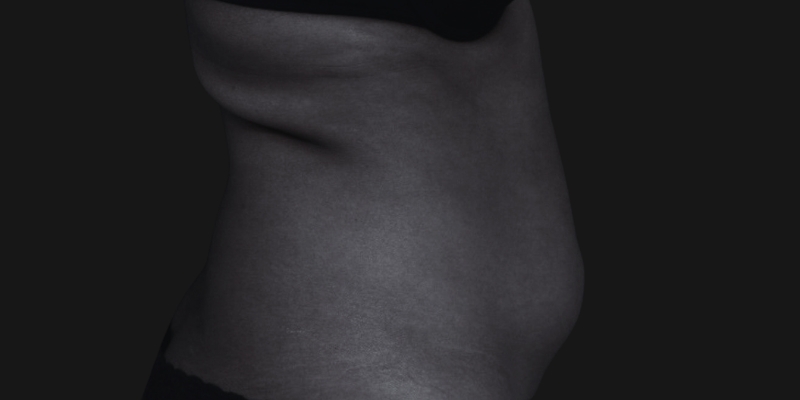
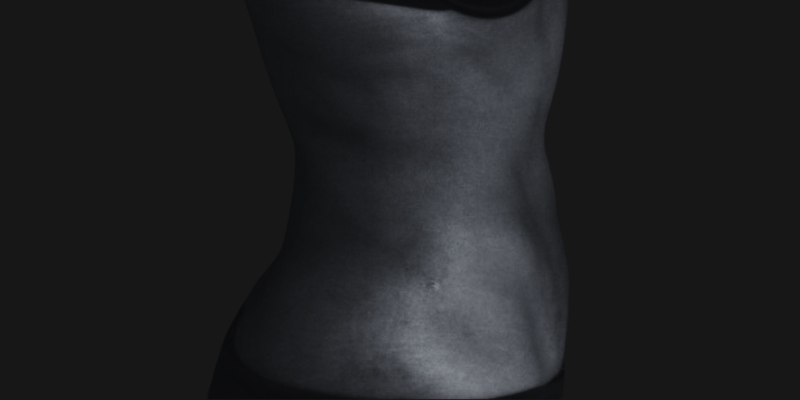
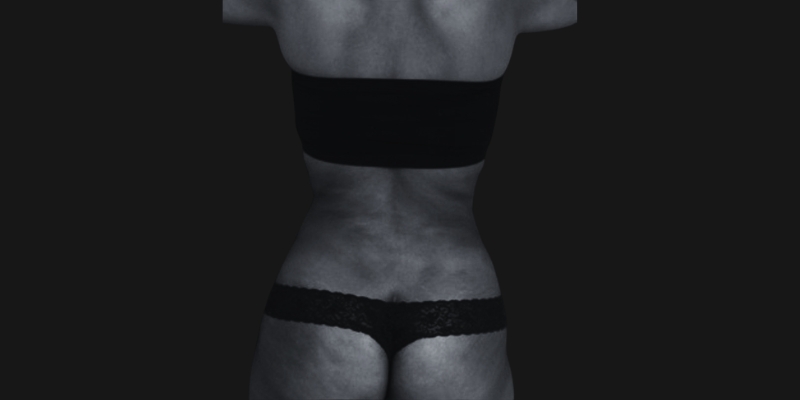
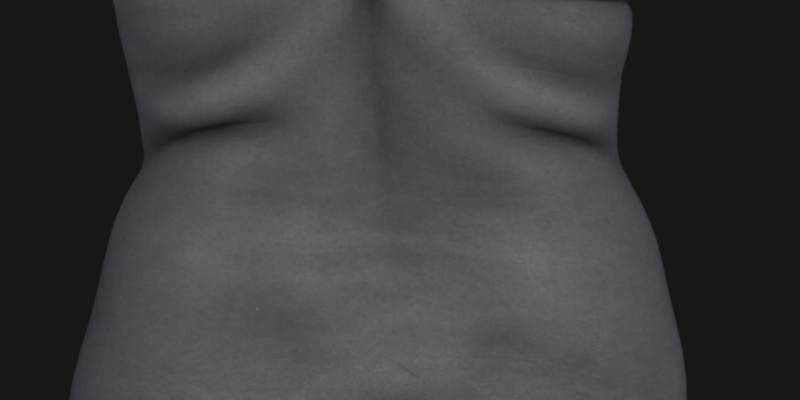
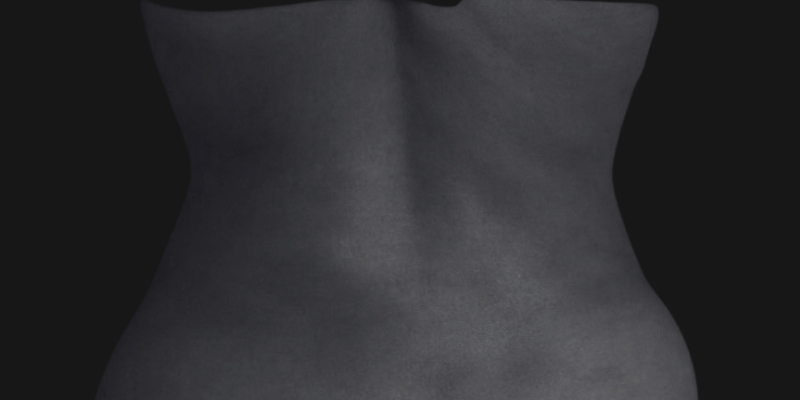
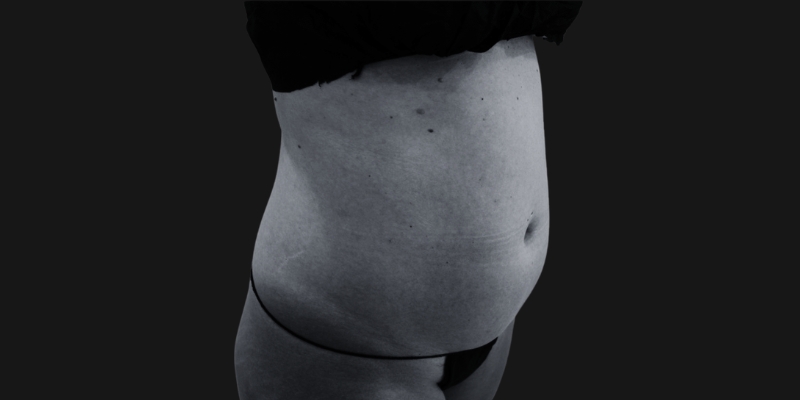
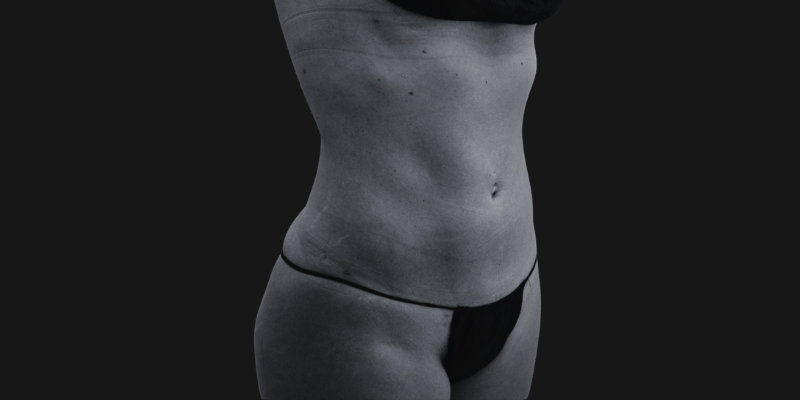
Before & After
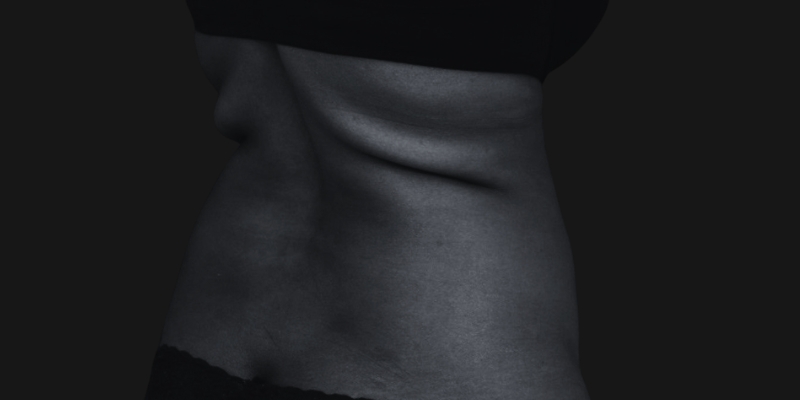
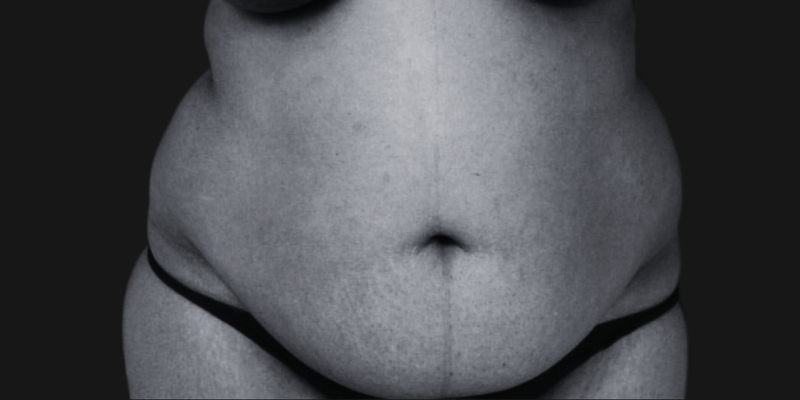
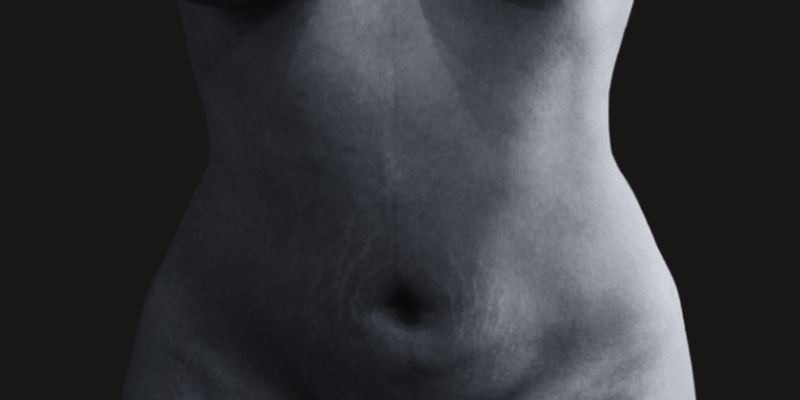
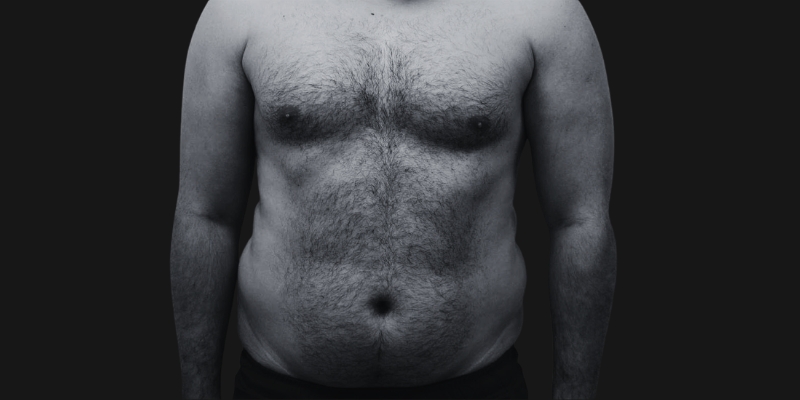
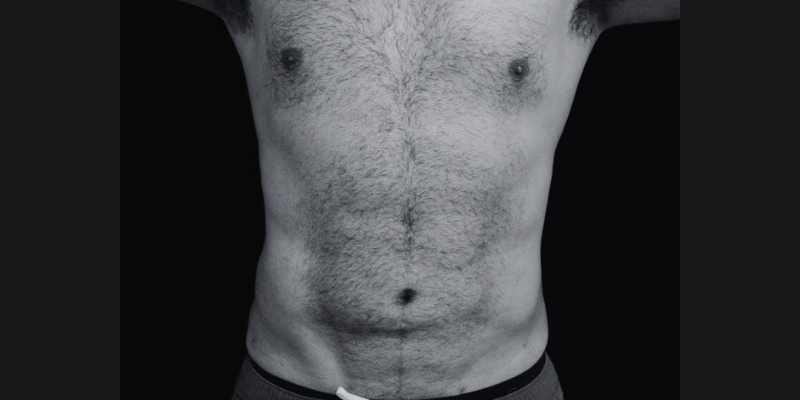
View real transformations that showcase natural definition and proportionate shape enhancement. Each result represents thoughtful contouring, not overcorrection.

Frequently Asked Questions
What is the best cellulite treatment in Dubai?
It depends entirely on what type of cellulite you have. A small superficial pit and a loose post-weight-loss buttock are two completely different problems with two completely different answers. That’s why the consultation is the starting point — not the device list.
What is subcision and how does it treat cellulite?
It means passing an instrument beneath the skin to cut or release the fibrous band pulling the skin down at the dimple. Release the band, the skin lifts. That’s the core principle behind most effective cellulite treatment, whether done with a needle, a device, or under ultrasound guidance.
Can cellulite be permanently removed?
Reduction is the honest word, not removal. Released bands stay released, but cellulite-prone tissue keeps ageing — genetics, hormones, weight and skin quality all evolve, so new dimples can develop over time. Significant improvement is achievable; a permanent guarantee of zero future cellulite isn’t.
Does liposuction remove cellulite?
Not directly. Liposuction removes fat; cellulite is a band and skin-quality problem. But when heavy thighs, lipedema-type distribution or contour imbalance is making things worse, liposuction can be part of the overall plan. They solve different layers — sometimes you need both.
Why is my cellulite worse after Ozempic, Mounjaro or major weight loss?
Fat volume drops but skin doesn’t always retract. The buttock descends, the posterior thigh folds, and pre-existing dimples look dramatically worse because the surrounding skin has lost tension. Often the real problem is loose skin — not worsening cellulite — and the treatment changes accordingly.
When do I need a buttock lift instead of subcision?
When the skin itself has dropped and there’s excess to remove — loose skin, a descended buttock fold, posterior thigh wrinkling after significant weight loss. Subcision addresses bands; a lift addresses skin. Different problems, different solutions.
Is cellulite the same as lipedema?
No. Cellulite is a surface contour problem from dimples, tethering bands and skin-fat interaction. Lipedema is a chronic fat-distribution disorder — heavy, disproportionate lower-body fat with tenderness, swelling and easy bruising. Some patients have both, and the plans are different.
Can cellulite come back after treatment?
Treated bands stay released, but skin keeps ageing, weight changes and collagen thins, so new dimples can develop in untreated areas. Stable weight and ongoing skin-quality care help protect the result — which is why I often combine band release with collagen stimulation.
Book a Consultation
If cellulite on your buttocks, thighs or lower body is something you're ready to address properly, the first step is understanding what type you have — not picking a device. I'll look at whether the problem is mainly superficial pits, deep tethering bands, diffuse texture, volume loss, lipedema, skin laxity or loose skin after weight loss, and the plan follows from there.
Medical disclaimer
This page is for general educational purposes and does not replace a personal consultation or medical examination. The right treatment depends on the type and depth of cellulite, skin quality, volume, tissue laxity, weight-loss history and general health. Results and recovery vary from patient to patient.