
FIXING A BOTCHED LIPOSUCTION
Revision Liposuction In Dubai: A Second Chance at Better Results
"Doctor, I had a botched liposuction. Can you fix it properly this time?"
I hear this very often.
A patient comes in after a previous liposuction and says, "Doctor, I just want this corrected. I want the dents gone. I want both sides to look even. I want to finally get the result I expected the first time."
I understand that feeling.
"One side looks different from the other." "There is still fat left behind." "My skin is stuck."
But before I can say, "Yes, this can be fixed," I first need to slow things down and understand what we are actually dealing with.
Is there fat left behind?
Was too much fat removed? Is the skin loose?
Is the skin stuck down?
Is there scar tissue?
Or is it a mix of all of these?
That is the real starting point of revision liposuction. Not the machine.
Not the cannula.
Not the promise of "I will fix everything."
The first step is understanding what went wrong.
What Is Revision Liposuction?
Revision liposuction means correcting a previous liposuction result. But correction does not always mean doing more liposuction.
This is very important.
Sometimes the patient really has fat left behind, and yes, that fat can often be removed.
Sometimes the problem is the opposite - too much fat was removed, and now there is a dent or hollow. In that case, removing more fat will not help. We may need fat transfer.
Sometimes the skin has become loose.
Sometimes the skin is stuck down because of scar tissue.
And sometimes the scar tissue is so dense that liposuction alone cannot solve it.
So revision liposuction is not one fixed operation. It depends on what problem we are correcting.

Why Revision Liposuction Is More Difficult
When I do first-time liposuction, I am working in tissue that has not been operated on before. In revision liposuction, the situation is different. The fat is not soft and even anymore. There may be scar tissue. The skin may be stuck in some areas. Some parts may be hollow, while other
parts still have fat. The anatomy is changed. This is why revision work needs a very careful approach. If I simply remove more fat from the wrong area, I can make the dent worse. If I ignore loose skin, the patient may look more wrinkled or saggy after correction. If I treat scar tissue like normal fat, the correction may fail. So the most important part of revision liposuction is not the machine. It is judgment.
Doctor, is this fat or scar tissue?
This is one of the first things I check.
Many patients point to a lump or bulge and say, "Doctor, this fat was left behind." Sometimes they are right.
But sometimes what they are feeling is not soft fat. It may be hard scar tissue, swelling, fibrosis, or skin that is stuck down after the first surgery.
And this changes the whole plan.
- Fat and scar tissue do not behave the same way. Fat is usually soft.
- Scar tissue is firm.
- Fat can usually be loosened and removed.
- Scar tissue may be stuck to the skin or deeper tissue.
So I cannot treat every lump after liposuction as "fat left behind."
If the area is mainly fat, revision liposuction can be helpful.
If the area is a mix of fat and scar tissue, VASER may help soften it and make the correction easier. But if the area is mainly thick scar tissue, it may not come out through a cannula.
That is where I have to be very honest with the patient.
"Doctor, this fat was left behind."
Why Can't You Just Suck Out the Scar Tissue?
This is a very common question. The answer is simple: scar tissue is not like fat. Fat is soft. Scar tissue is firm. Fat can be removed through a cannula. Dense scar tissue may be stuck to the skin and deeper tissues. If scar tissue is mixed with fat, I may be able to improve it with VASER and careful release. But if the scar tissue is very thick and the skin is badly stuck down, the cannula may not be able to remove it properly. In some abdominal cases, a tummy tuck may be needed even if the patient does not have obvious loose skin. This surprises many patients. They think tummy tuck is only for loose skin. But in revision surgery, a tummy tuck can sometimes be used to directly reach and remove scar tissue that cannot be sucked out. It also allows the skin to be released and placed back in a better way. So the tummy tuck is not always being done just to remove skin. Sometimes it is being done because the scar tissue needs direct access.
What If Too Much Fat Was Removed?
This is the opposite problem. Some patients do not have fat left behind. They have too little fat in one area. They may have:
- "A dent."
- "A hollow." "A groove."
- "A depression."
"A shadow that was not there before."
In these cases, more liposuction is not the answer. If I remove more fat around the dent, I may make the whole area flatter, but I may not truly fix the depression. Sometimes the better option is fat transfer. Fat is taken from another area, prepared, and placed carefully into the hollow or over-suctioned area. Fat transfer can help soften dents and improve contour, but it is not magic. Some fat may absorb. Some dents may improve but not disappear completely. Some cases may need more than one session. This is why I always explain the limits clearly.
Doctor, will my skin become loose if we correct this?
This depends on the skin.
If the skin is strong and there is still fat underneath, revision liposuction may work well.
But if the skin has already become weak from previous liposuction, weight loss, age, pregnancy, or over-removal of fat, then I have to be careful.
Revision liposuction can improve the shape under the skin. But it cannot turn loose skin into tight skin.
If the looseness is mild, J-Plasma may help in selected patients.
But if the skin is already hanging, folded, wrinkled, or damaged, then more liposuction will not solve the problem.
In the lower abdomen, that may mean a tummy tuck.
In the upper abdomen, it may mean a reverse tummy tuck. In the arms or thighs, it may mean a lift.
That does not mean I am trying to make the surgery bigger. It means I am trying to choose the surgery that actually treats the problem.
When J-Plasma Helps - And When It Does Not
J-Plasma can be useful when there is mild skin laxity.
But J-Plasma is not a replacement for skin removal. If the skin is hanging, folded or very loose, J-Plasma will not turn that skin into tight skin. This is where honesty matters. If I think J-Plasma may help, I will say so. If I think the patient needs a tummy tuck, reverse tummy tuck, arm lift or thigh lift, I will not sell J-Plasma as a shortcut.
When Liposuction Is Not the Right Correction
Sometimes patients come asking for revision liposuction, but after examination I have to explain that liposuction is not the best answer. This may happen when the skin is too loose, the scar tissue is too dense, the skin is badly stuck down, there are deep dents from over-removal, the abdomen has already been over-suctioned, or the problem needs skin removal, not more fat removal. This is the difficult part of revision consultations. Patients often want the answer to be simple:
"Just do lipo again and fix it."
But if the real problem is not fat, then more liposuction can make things worse. My job is to tell you that before surgery, not after.
What Are the Chances of Improvement in My Case?
If there is loose skin, I have to say it clearly: liposuction alone may not be enough.
And if the patient has more than one problem - for example fat left behind, dents, scar tissue and loose skin together - then the correction becomes less predictable.
This does not mean nothing can be done.
It means we need to be realistic about how much improvement is possible and whether more than one step may be needed.
I will always try to get the best possible improvement, but I will not promise perfection in revision liposuction.
What Revision Liposuction Cannot Achieve
Revision liposuction is powerful, but it has limits. It cannot always make operated tissue look like untouched tissue again. It cannot always remove every dent. It cannot always completely release skin tethering. It cannot always suction out thick scar tissue. It cannot tighten very loose skin. It cannot guarantee perfect symmetry. It cannot always correct severe over-removal in one operation. And it cannot always avoid another scar if skin removal or direct scar-tissue removal is needed. I would rather explain these limitations clearly than give a patient unrealistic hope. The goal is improvement, balance and a more natural shape - not a false promise of perfection.
How I Plan a Revision Liposuction Case
During consultation, I examine the patient standing, sitting and sometimes moving. I look at the area from different angles because dents and irregularities often look different in different positions. I assess where fat is left behind, where fat has been over-removed, where the skin is loose, where the skin is stuck down, where scar tissue may be present, whether fat transfer is needed, whether J-Plasma may help, and whether skin removal is a better option. I also ask the patient to show me exactly what bothers them most. This is important because sometimes the patient is focused on one dent, while the surgeon may be seeing a bigger contour problem. We need to agree on the main goal before surgery.
How Revision Liposuction Is Done
The procedure depends on what needs to be corrected. In many cases, I use VASER to soften the scarred or fibrotic fat and power-assisted liposuction to remove the remaining fat carefully. If the skin is mildly loose, I may add J-Plasma.
If the scar tissue is very dense, or if the skin is too loose, I may tell the patient that revision liposuction is not the right main procedure.
In some cases, a tummy tuck, reverse tummy tuck, arm lift or thigh lift gives a better correction because it removes the skin or gives direct access to the scarred tissue.
There is no one formula for revision surgery.
The plan depends on what I find during examination.
How is recovery after revision liposuction?
Recovery after revision liposuction can be a little slower than first-time liposuction. I explain this to patients before surgery.
The area has already been operated on once, so it may swell more. It may feel harder. It may feel tight. Some areas may soften faster than others.
This is normal in revision work.
Compression helps. Foam pads may help. Lymphatic massage may help. But time is also very important. Scar tissue does not soften overnight.
The body needs months to settle, especially after correction surgery. So I always tell patients: do not judge the final result too early.

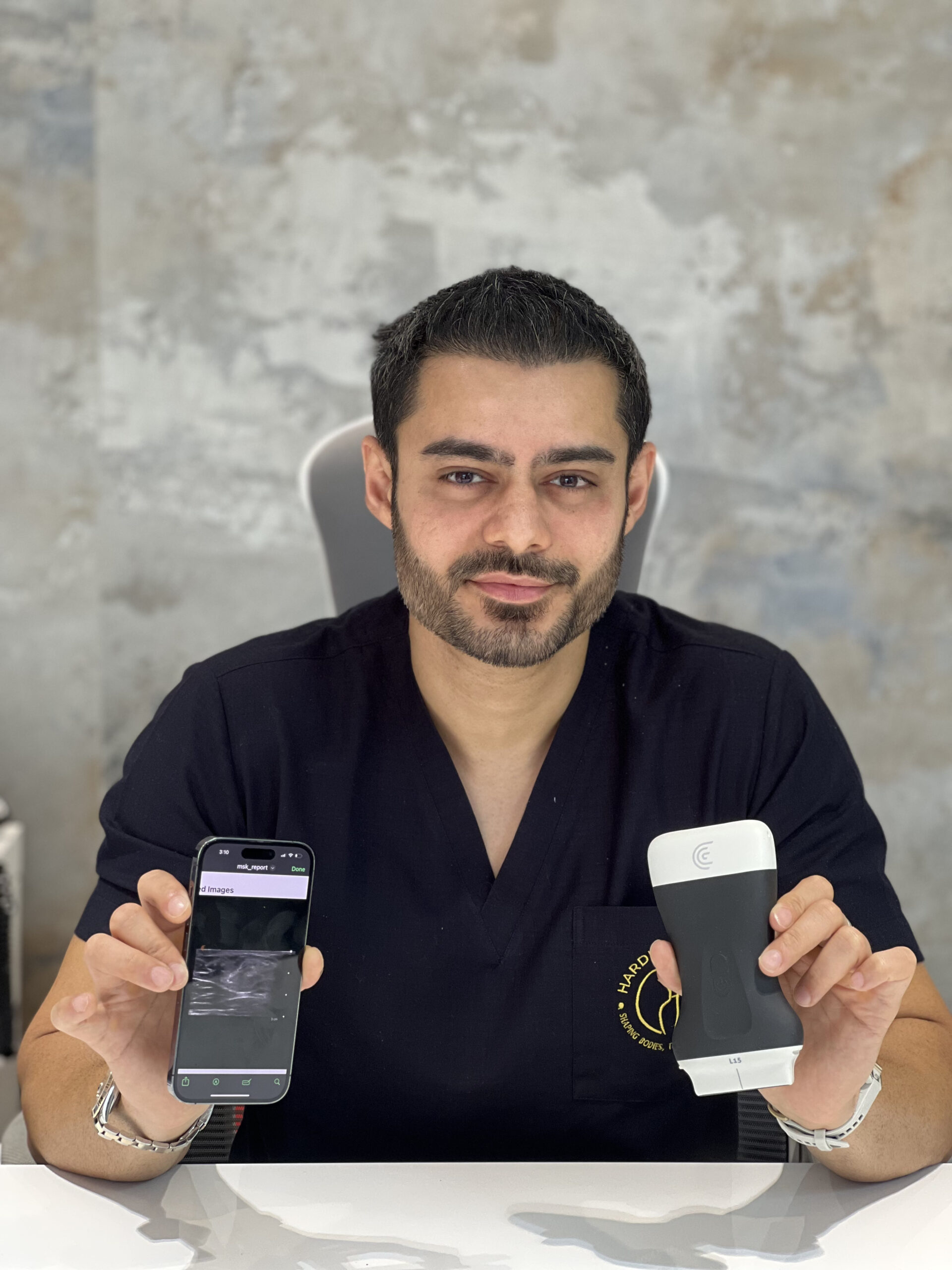
Why Choose Dr. Hardik Ganatra? for Revision Liposuction?
Revision liposuction is a major part of my practice.
More than half of my body-contouring work is revision or correction work.
I see many patients who have already had liposuction elsewhere and are unhappy with dents, unevenness, leftover fat, scar tissue, loose skin or poor definition.
When they come to me, I do not start by blaming the previous surgery. And I do not start by promising a miracle.
I start by examining what can actually be improved. That is the most important part of correction work.
Sometimes the right answer is VASER. Sometimes it is fat transfer.
Sometimes it is J-Plasma.
Sometimes it is a tummy tuck or reverse tummy tuck.
And sometimes the most honest answer is: "More liposuction is not the right solution here." That honesty is very important in revision surgery.
Revision Liposuction
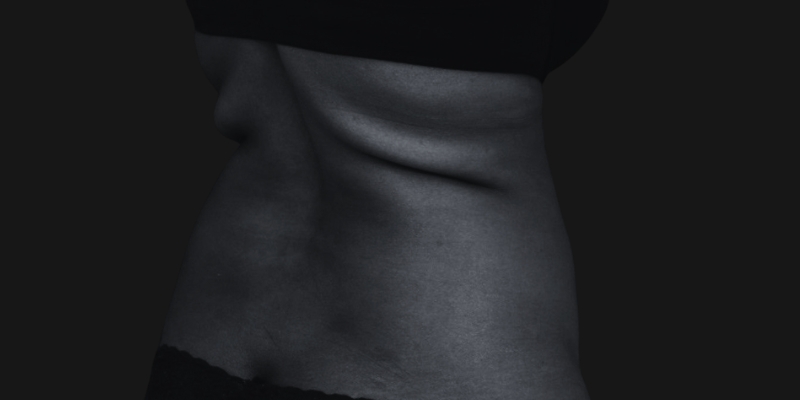
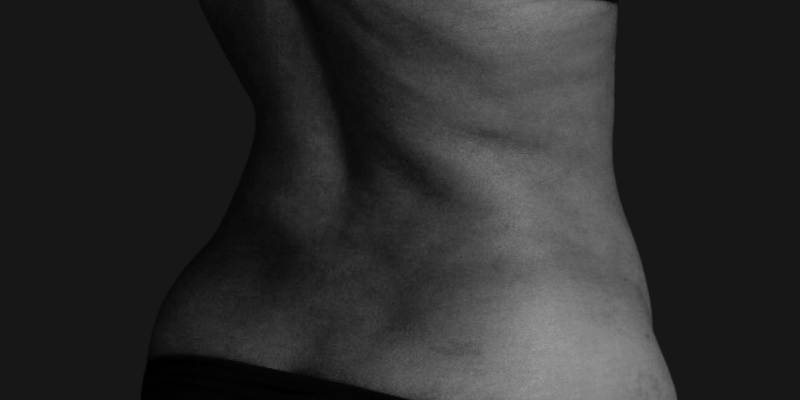
Before & After
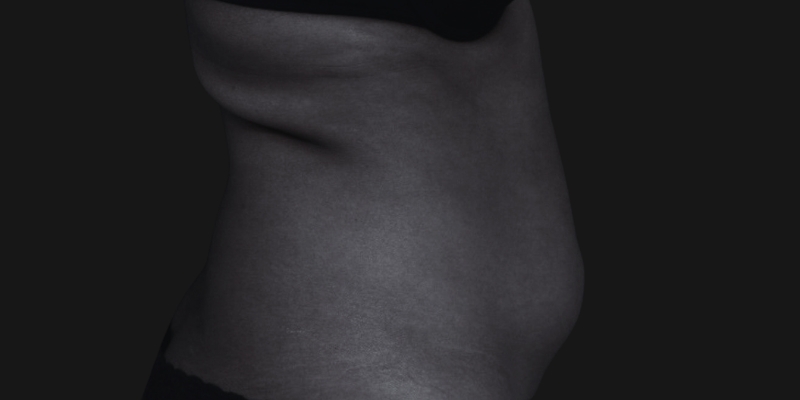
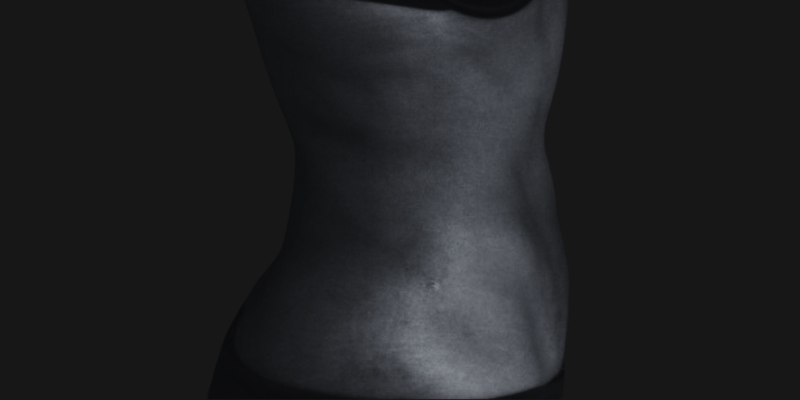
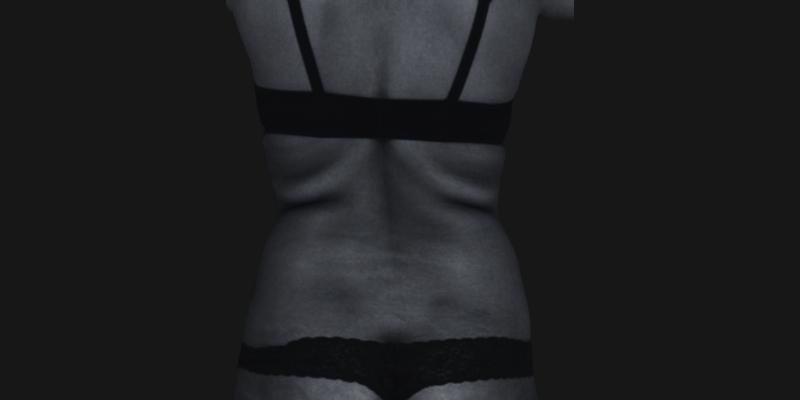
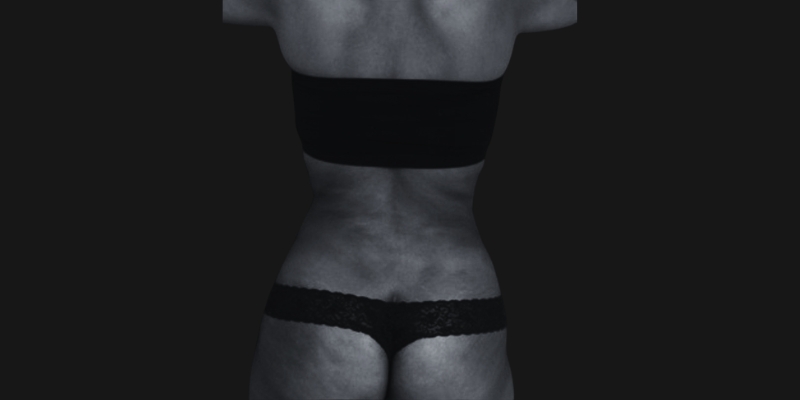
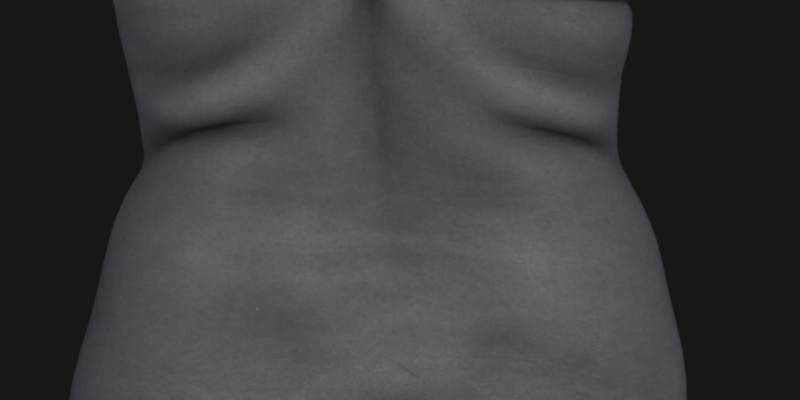
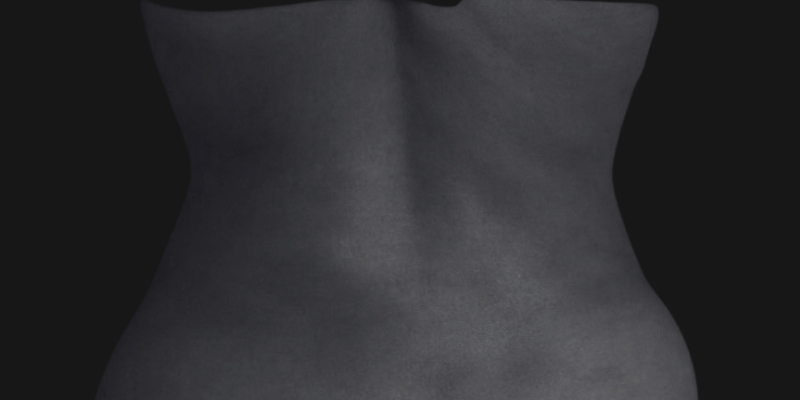
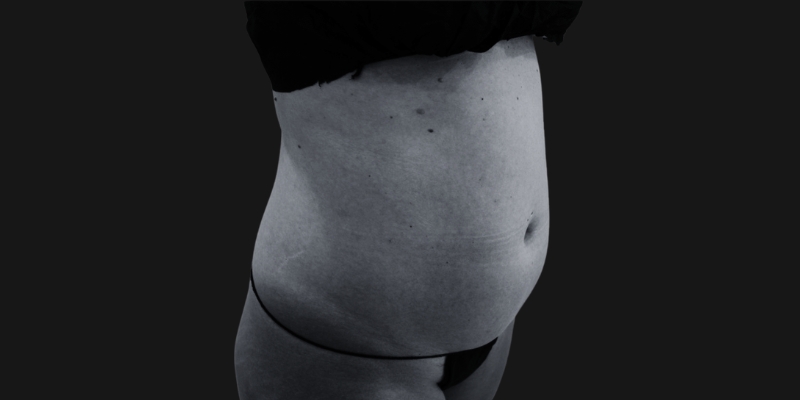
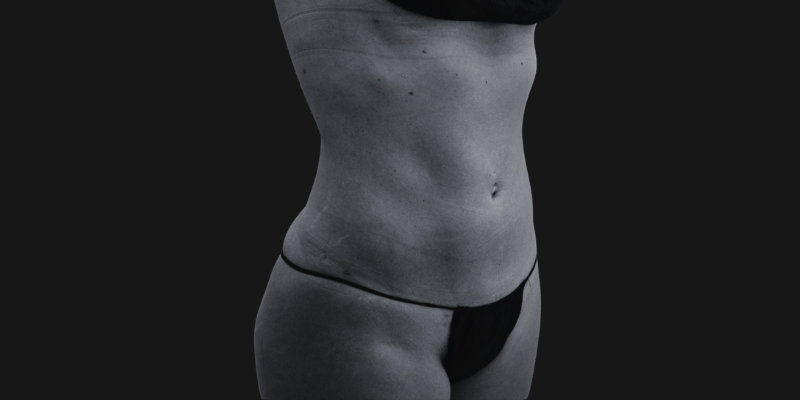
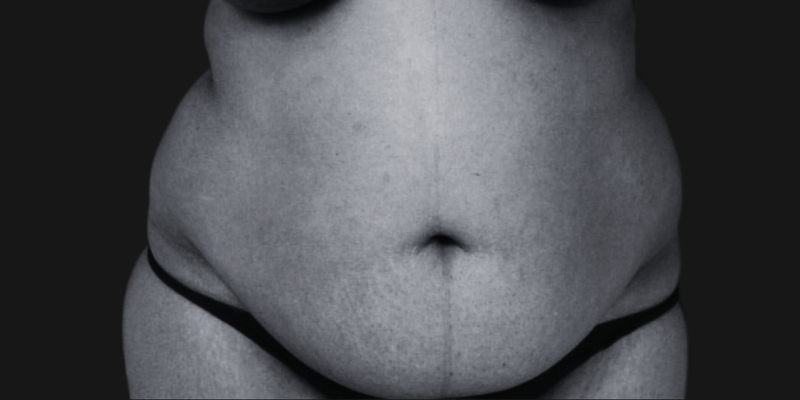
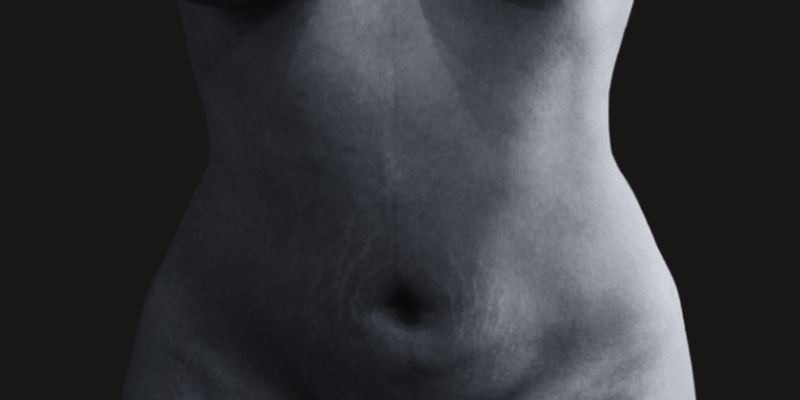
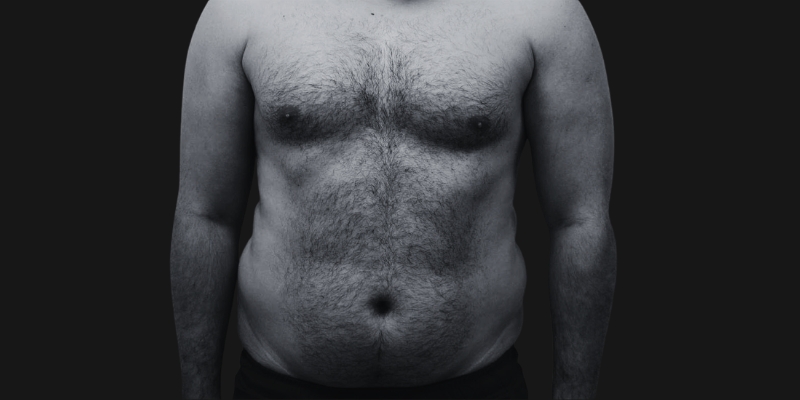
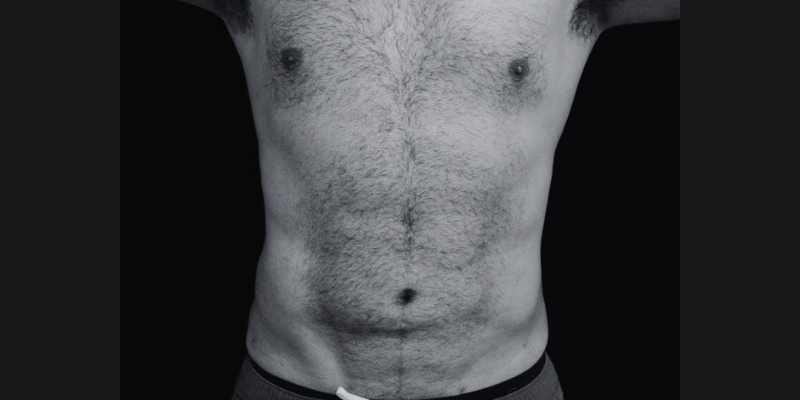
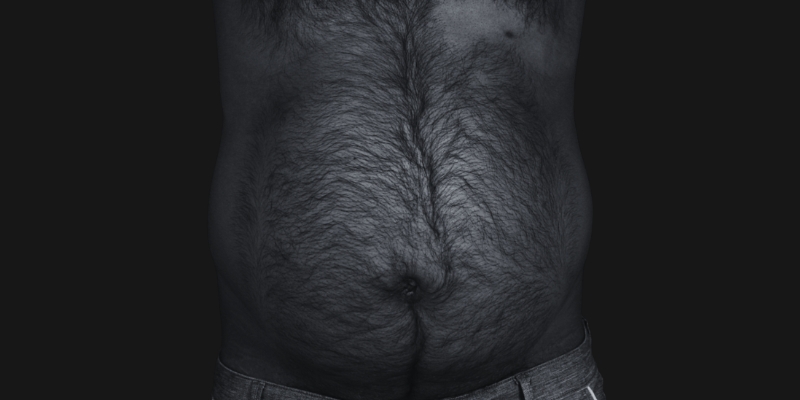
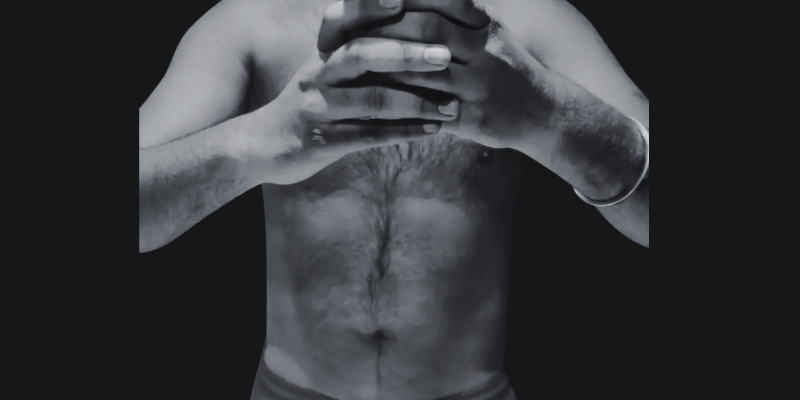
View real transformations that showcase natural definition and proportionate shape enhancement. Each result represents thoughtful contouring, not overcorrection.
Frequently Asked Questions
Is revision liposuction harder than first-time liposuction?
Yes. In first-time liposuction, the tissue is usually softer and easier to work with. In revision liposuction, the area may already have scar tissue, dents, loose skin, tethering, or fat removed unevenly. That makes planning and correction more difficult.
Can revision liposuction fix botched liposuction?
It can often improve the result, but it cannot promise perfection. The correction depends on whether the problem is fat, scar tissue, loose skin or over-removal.
Is my problem fat or scar tissue?
This can only be checked properly during consultation. If the area is soft, it may be fat. If it feels hard, stuck or uneven, scar tissue may be part of the problem. Fat can often be removed. Dense scar tissue may not come out like fat.
Can scar tissue be sucked out like fat?
Sometimes scar tissue mixed with fat can be improved. But dense scar tissue cannot always be sucked out with a cannula.
Why would I need a tummy tuck if I do not have loose skin?
In some revision cases, tummy tuck is needed to directly access and remove scar tissue, not only to remove loose skin.
Can J-Plasma fix loose skin after liposuction?
J-Plasma may help if the skin is only mildly loose. But if the skin is clearly hanging, folded or damaged, J-Plasma will not replace a tummy tuck or lift.
Can dents be filled?
Some dents can be improved with fat transfer, but complete correction is not always possible.
How long should I wait before revision liposuction?
In most cases, I prefer to wait until the swelling has settled and the tissue has softened. For many patients, this means around 6 to 12 months after the first surgery. Sometimes we may assess earlier, but I usually do not rush revision surgery unless there is a very clear reason.
Can revision liposuction make me perfect?
No. The goal is meaningful improvement, better balance and a more natural shape. Perfection cannot be promised in revision surgery.
Book a Consultation
If cellulite on your buttocks, thighs or lower body is something you're ready to address properly, the first step is understanding what type you have — not picking a device. I'll look at whether the problem is mainly superficial pits, deep tethering bands, diffuse texture, volume loss, lipedema, skin laxity or loose skin after weight loss, and the plan follows from there.
Medical disclaimer
This page is for education only. Every revision liposuction case is different. A proper consultation is needed to check whether the problem is fat, scar tissue, loose skin, dents, tethering, previous over-removal, or a combination of these. Only after examination can Dr. Hardik Ganatra advise whether revision liposuction, fat transfer, J-Plasma, tummy tuck, reverse tummy tuck or another correction procedure is the right option.