
Body Contouring After Weight Loss In Dubai
Losing weight can change your life. Body contouring helps your body catch up.
"I lost the weight, but I still do not feel comfortable in my body."
"My health is better, but the loose skin is still there."
"When I bend or sit, my skin hangs like a curtain."
These are very common things I hear from patients after major weight loss.
Weight loss is a huge achievement. It may happen after bariatric surgery, with GLP-1 based medicines, through diet and exercise, or after a major fitness transformation. But sometimes the fat goes down and the skin does not tighten enough.
That is where body contouring surgery becomes important.
Body contouring after weight loss is not about making someone perfect. It is about removing loose skin, improving body shape, restoring comfort, and helping the patient feel that the body now matches the effort they have already made.
The new era of weight loss
Ten to fifteen years ago, many patients came to us after bariatric surgery.
Now we see many more patients after weight loss with medicines such as Saxenda, Ozempic, Wegovy, Mounjaro and Zepbound. Newer medicines are also being studied, including retatrutide.
I also see patients who lose weight naturally with diet, training and discipline. Some male patients come after a major physique transformation, sometimes with the use of anabolic steroids or growth hormone. I do not promote that route, but I do see the loose-skin problems that can remain after rapid or major transformation.
The method of weight loss may be different. The problem after weight loss is often the same:
- loose skin
- weak or stretched tissue
- sagging body parts
- volume loss
- stubborn remaining fat in some areas
- body shape that does not match the patient's effort

Why loose skin remains after weight loss
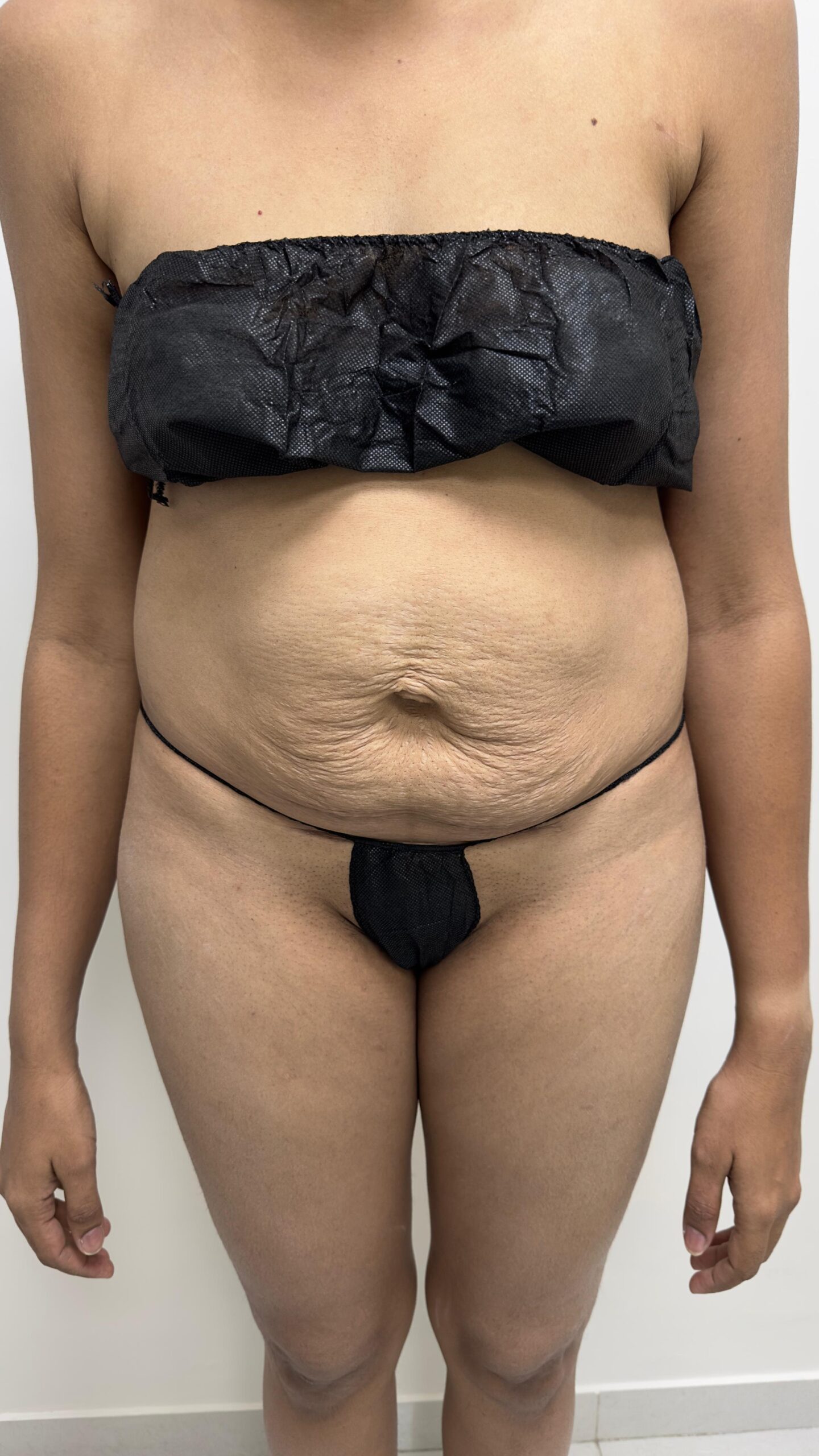
When you gain weight, the skin and the tissue underneath it stretch.
When you lose weight, the fat cells become smaller. But the skin does not always shrink back fully.
There is also another layer people often do not understand: connective tissue.
Connective tissue is the support structure around the fat. After weight loss, patients often think, "I still have fat." Sometimes they do. But many times, what they are holding is skin plus connective tissue, Body Contouring After Weight Loss in Dubai - Service Page Draft Page 3 with only some remaining fat.
This is why liposuction alone is often not enough after major weight loss.
Liposuction removes fat. It does not remove loose skin. It does not remove thick stretched tissue properly.
So the treatment usually needs two parts: removing remaining fat with liposuction when needed, and removing loose skin and tissue with a lift procedure.
Common areas affected after weight loss
Weight loss can affect the whole body. Common areas include:
- tummy and lower abdomen
- sides and flanks
- lower back
- buttocks
- arms and armpits
- side of chest
- breasts in women
- chest in men
- thighs
- banana roll area below the buttocks
- loose skin above the knees in rare patients
- mons pubis or pubic area
Women may notice breast sagging and loss of breast volume. Men may notice loose chest skin, low nipples and extra skin in the armpit area.
Patients after GLP-1 weight loss may also complain of GLP-1 arms, loose tummy skin, flatter buttocks and a more deflated body shape.

What procedures may be needed?
The right plan depends on where the loose skin is.
Tummy, sides and lower back
A standard tummy tuck is not always enough after major weight loss. Many patients need an extended tummy tuck or a 360 tummy tuck / lower body lift.
A 360 tummy tuck can improve the tummy, pubic area, sides, flanks, lower back, buttock sagging and
loose skin around the hips and outer thighs.
If the pubic area has dropped, a mons lift or pubic lift may be needed.
Arms and armpits
After weight loss, arm skin can hang significantly. In some patients, the loose skin does not stop at
the arm. It continues into the armpit, side of chest, or breast area.
These patients may need an arm lift, extended arm lift, axillary lift or side chest skin removal.
Breasts in women
After weight loss, the breasts often lose volume and drop. Some women need a breast lift. Some need a breast lift with implants if they also want more volume.
This is not just about size. It is about position, shape, skin quality and proportion.
Chest in men
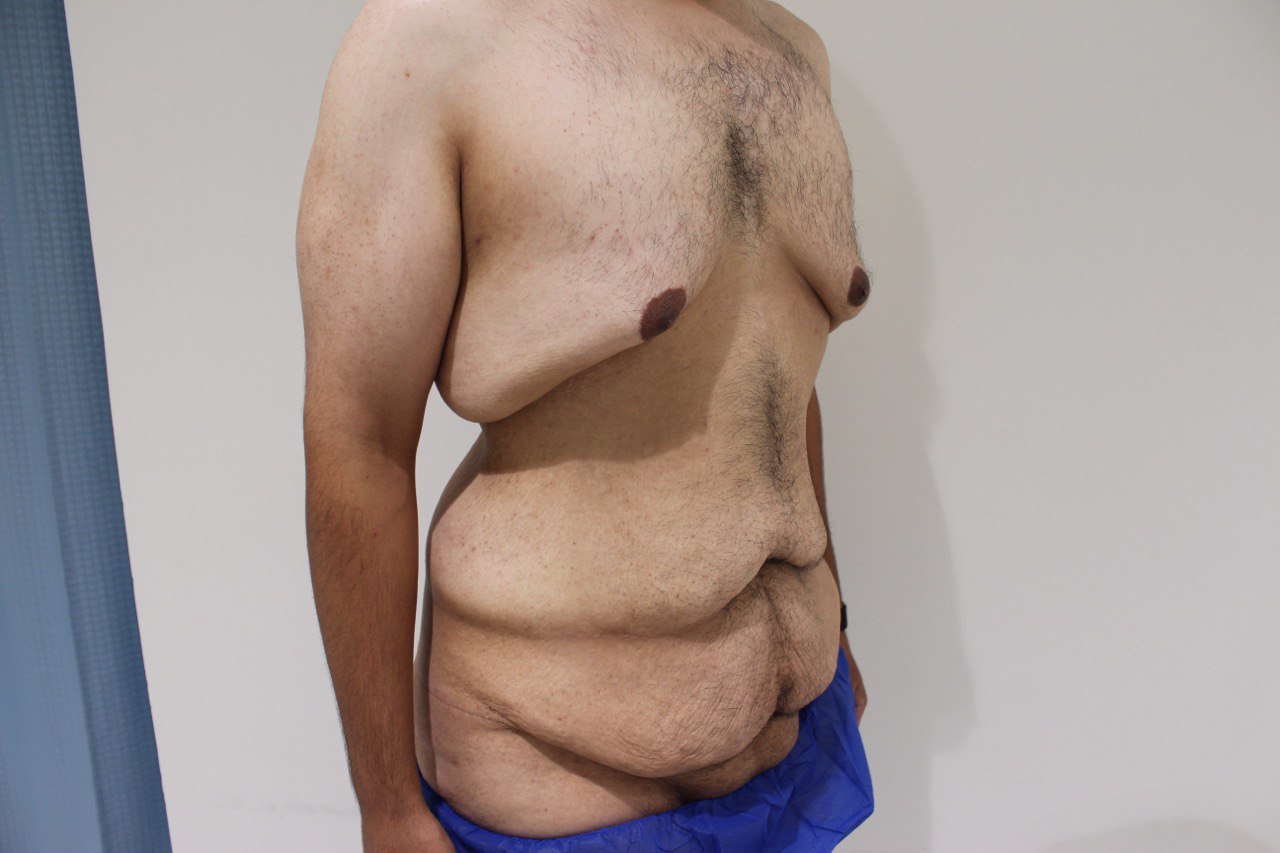
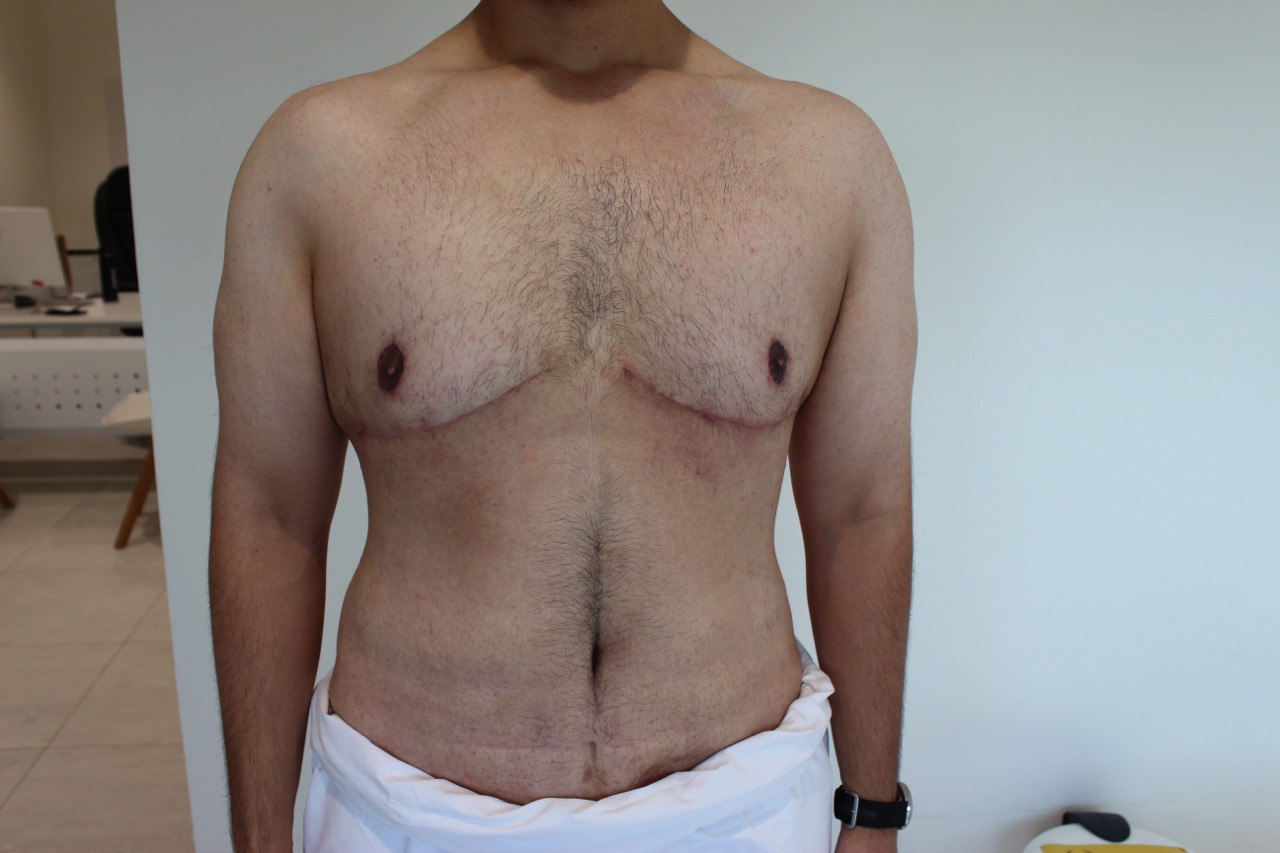
Men may develop loose chest skin after weight loss. The nipples may sit too low. The chest may look empty or folded. Loose skin may also continue into the armpits.
In these patients, a male chest lift with axillary lift may be needed to remove skin and bring the
nipples to a better position.
Thighs, knees and banana rolls
Loose thigh skin can extend from the groin down toward the knees. Some patients also have loose
skin below the buttocks in the banana roll area. Rarely, patients have enough loose skin above the knees to need a small knee lift.
These areas usually need careful staging because healing and walking are important after surgery.
What is an upper body lift?
An upper body lift is a group of procedures that improve the upper half of the body after weight loss.
It may include arm lift, axillary lift, side chest skin removal, breast lift, breast lift with implants, male chest lift, bra roll lift or mid-back lift.
In women, the upper body usually means arms, breasts, armpits and back rolls. In men, it often means chest, nipples, armpits and upper back.
What is a lower body lift?
A lower body lift treats loose skin in the lower part of the body.
It may include a 360 tummy tuck, extended tummy tuck, mons lift, lower back skin removal, buttock lift, thigh lift in a separate stage, and fat transfer to the buttocks when volume is also lost.
A lower body lift is usually needed when the loose skin is not only in the front of the tummy. It continues to the sides, lower back, pubic area and buttocks
How do we stage body contouring after weight loss?
Patients often want everything corrected in one surgery. I understand that. But that is not always safe.
These surgeries are long and powerful. They usually take around 4 to 6 hours and are done under general anaesthesia. In my practice, I usually try to keep major body contouring surgery within a safe time limit, often around 6 hours.
Sometimes a team of surgeons may work together to reduce total anaesthesia time.
| Stage | Possible plan |
|---|---|
| Stage 1 | 360 tummy tuck / lower body lift + mons lift + buttock lift |
| Stage 2 | Arm lift + chest or breast procedure + axillary correction |
| Stage 3 | Thigh lift, back lift, scar correction or small refinements |
The plan depends on patient health, blood levels, nutrition, surgery time, recovery position, which area bothers the patient most, and what combination can be done safely.
Safety decides the plan. Not impatience.
Preparation before surgery
Before body contouring after weight loss, I want to make sure the patient is not just slimmer, but healthy enough to heal.
This is especially important after bariatric surgery because low iron, low blood levels, low protein or vitamin problems can affect healing.
Before surgery, patients may need blood tests, haemoglobin check, iron and vitamin assessment, protein and albumin assessment, anaesthesia review, medical clearance, stable weight, no smoking and a realistic staging plan.
If the body is not ready to heal, surgery should wait.
Scars and scar care
Body contouring after weight loss does create scars.
My job is to place those scars in the most hidden position possible, close the skin carefully, and guide the patient through proper scar care.
In my practice, I focus on concealed scar placement, careful layered closure, neat stitching, skin glue at the end of surgery, compression and dressings, silicone scar care, and early laser or scar protocol when needed.
A scar is part of the trade-off. But a well-planned scar is very different from a careless one.
Why Choose Dr. Hardik Ganatra
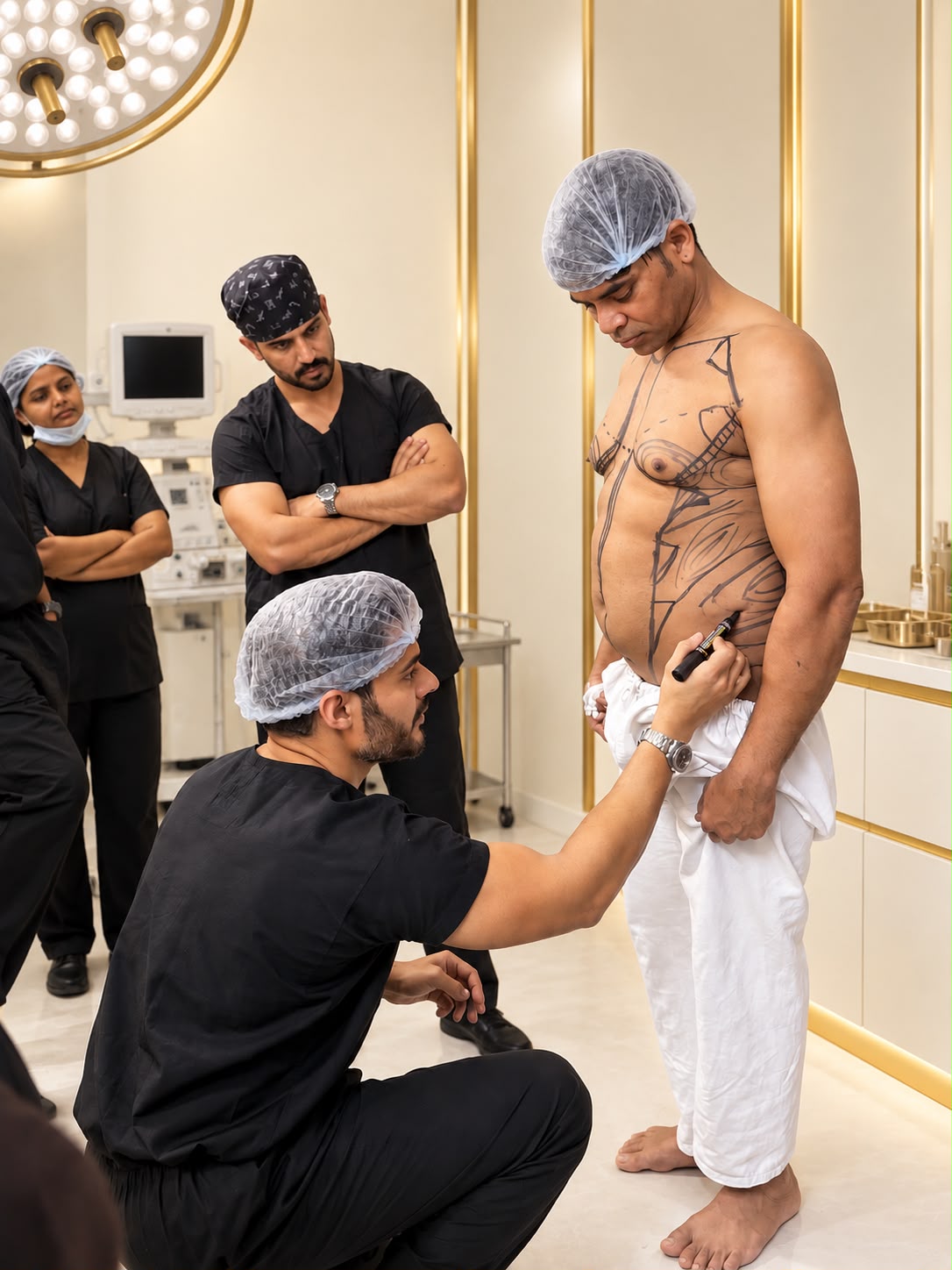
I focus exclusively on body contouring.
That matters because post-weight-loss surgery is not one simple operation. It is a complete body-shape plan.
As a recreational natural bodybuilder, I understand how fat, skin, connective tissue and muscle work together. I also understand how a body should look not just standing still, but also sitting, bending and moving.
In Dubai, I have treated patients from more than 100 nationalities. This gives me a wide understanding of body shapes, cultural preferences, and what different patients consider beautiful.
My approach is simple: safe surgery, honest advice, careful staging, strong scar planning, good post-operative care, and natural, balanced body contouring.
I do not believe in doing everything in one surgery just because the patient wants it fast. The result should be safe, thoughtful and suitable for the patient's body.
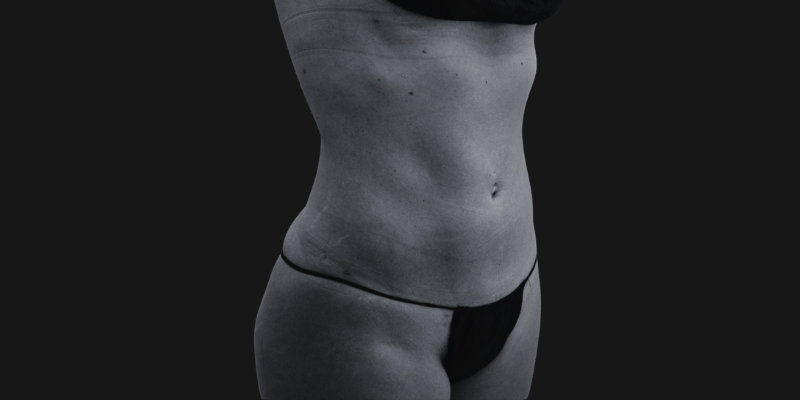
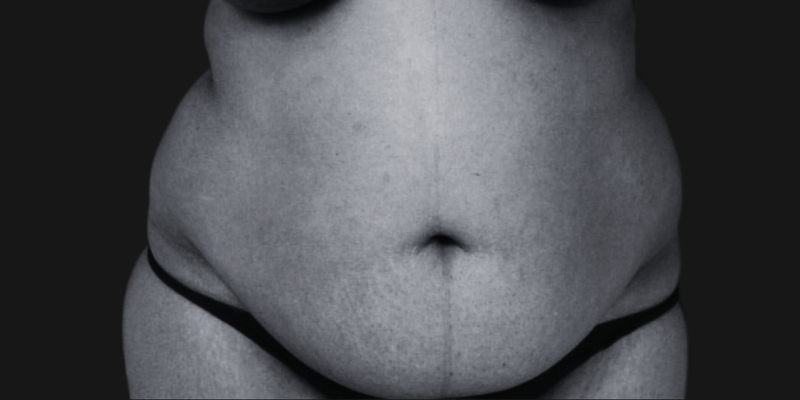
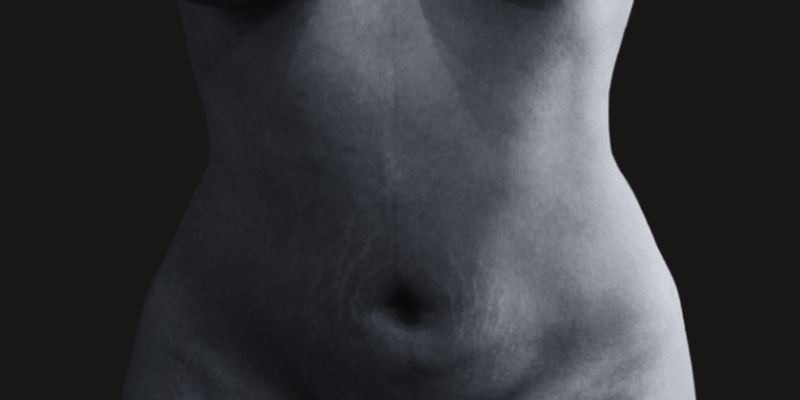
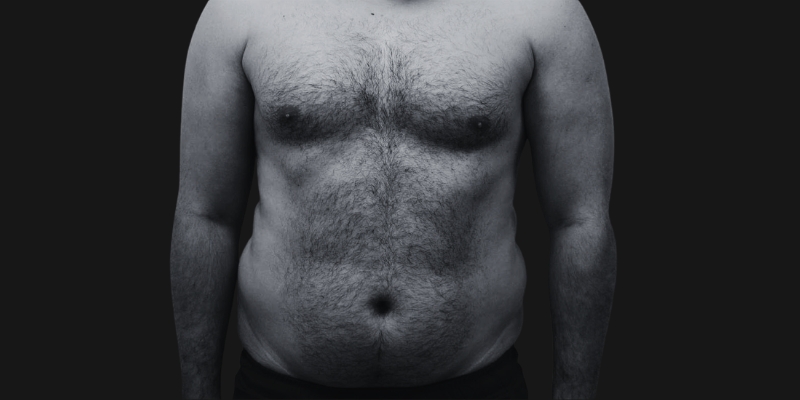
Body Contouring after Weight Loss
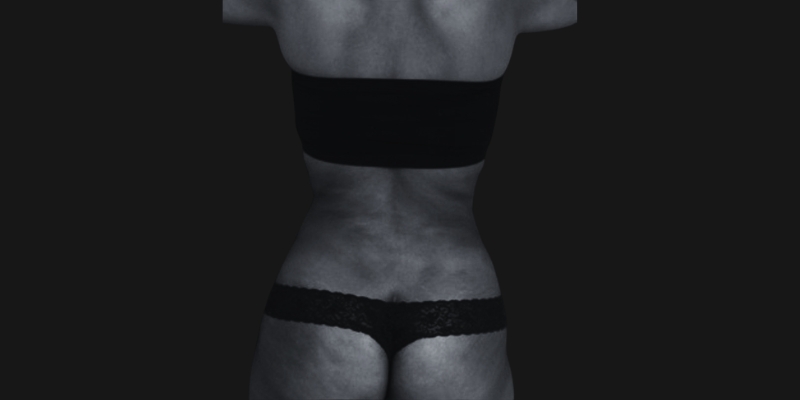
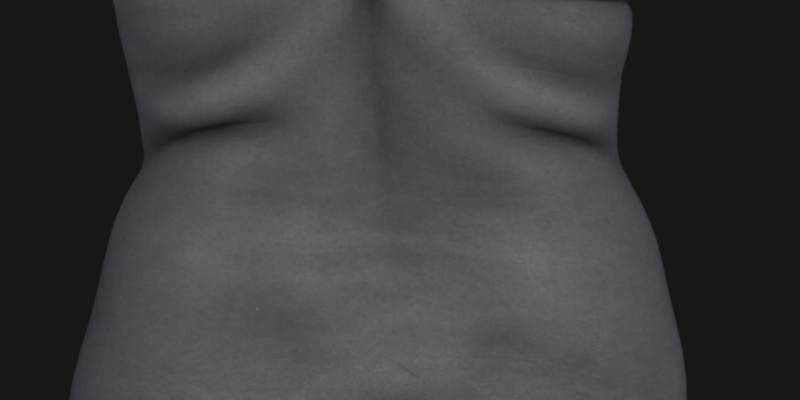
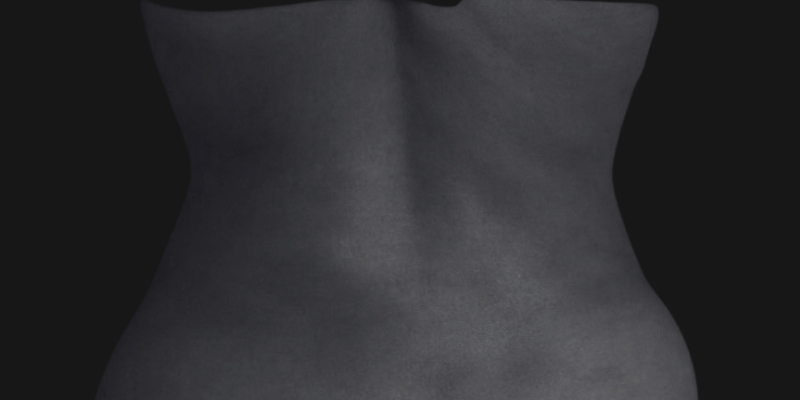
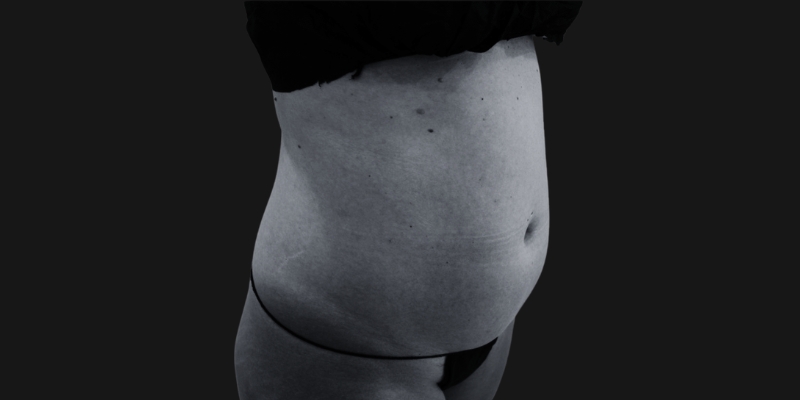
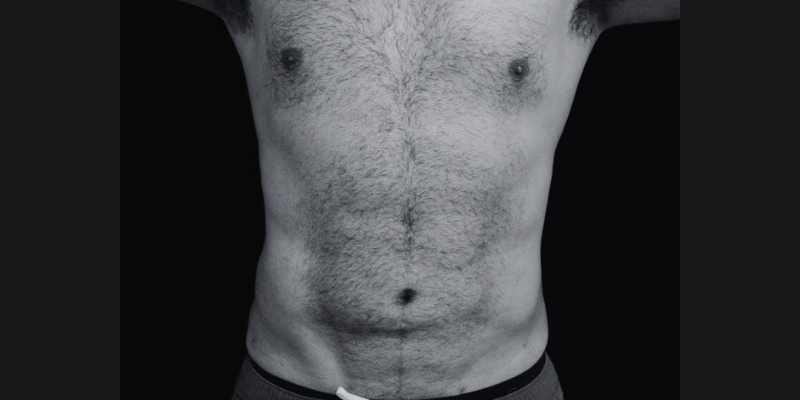
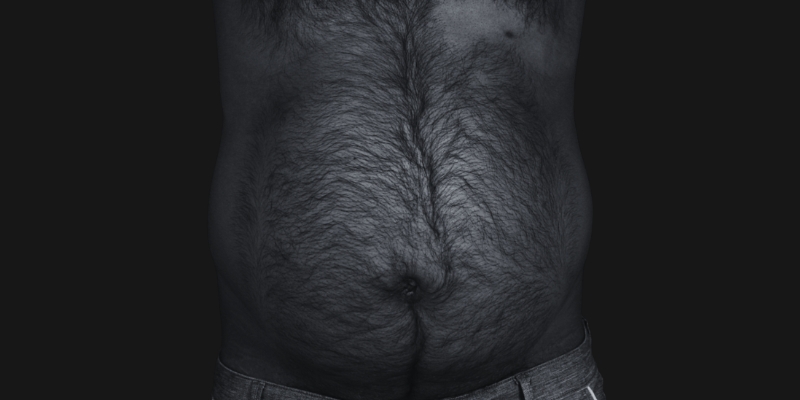
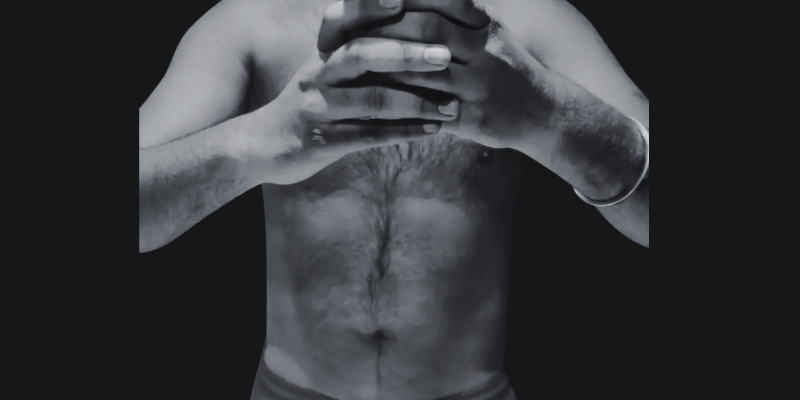
Before & After
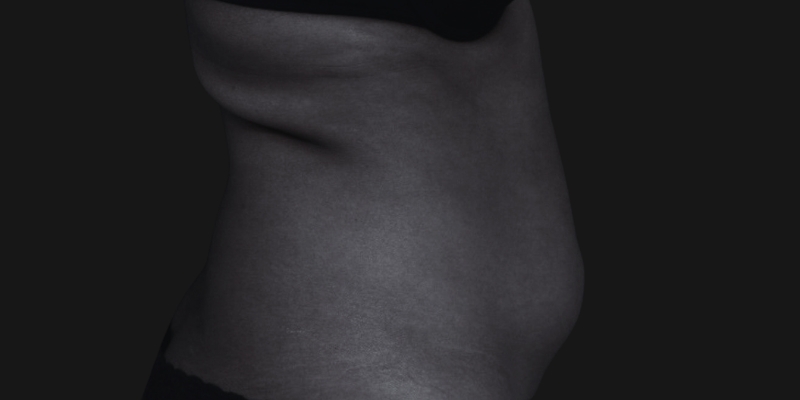
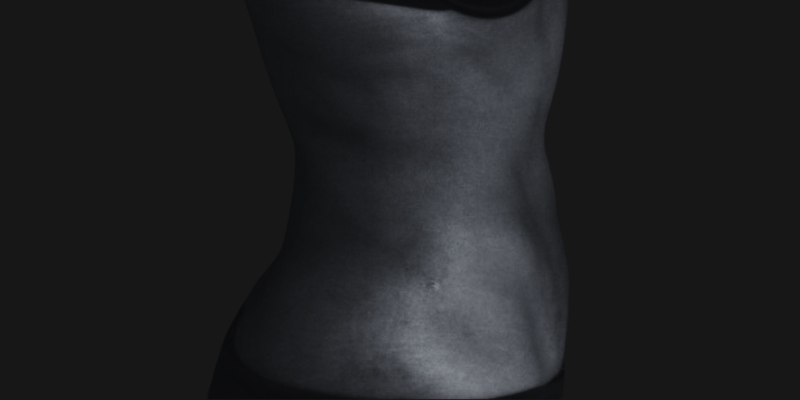
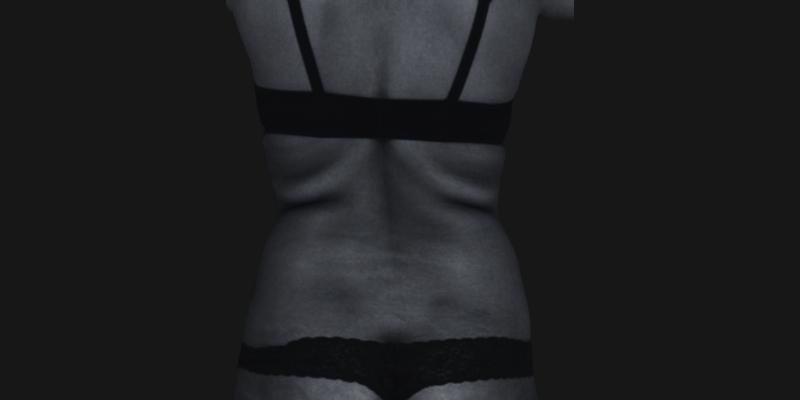
View real transformations that showcase natural definition and proportionate shape enhancement. Each result represents thoughtful contouring, not overcorrection.
Frequently Asked Questions
Is body contouring after weight loss the same as liposuction?
No. Liposuction removes fat. Body contouring after weight loss often needs skin and tissue removal as
well.
When should I do surgery after weight loss?
Usually when your weight is stable and your health, blood levels and nutrition are good enough for
surgery.
Can I do all procedures together?
Usually no. Large body-contouring procedures are often staged for safety.
What is the difference between an upper body lift and lower body lift?
An upper body lift treats areas like arms, chest, breasts, armpits and back rolls. A lower body lift
treats the tummy, sides, lower back, pubic area, buttocks and sometimes thighs.
Will I have scars?
Yes. Skin removal surgery creates scars. The goal is to place them carefully and manage them well
after surgery.
Can loose skin tighten with gym?
Muscle building can improve shape, but it cannot remove large amounts of loose skin and connective
tissue.
Is body contouring after GLP-1 weight loss different?
The planning is similar, but these patients may have more deflation and loose skin in areas such as
the arms, tummy, buttocks and thighs.
Book a Consultation
If your legs are disproportionately large, heavy or painful and you think it might be lipedema, the first step is a proper clinical assessment — not choosing surgery from a photo. I’ll confirm whether it’s lipedema, check your venous and clotting status, and tell you honestly whether liposuction will help, whether it should be staged, or whether a lymphatic specialist is the better next step.
Medical disclaimer
This page is for education only and is not personal medical advice. Every patient after weight loss is different. A consultation with Dr. Hardik Ganatra is needed to assess skin, fat, connective tissue, scars, nutrition, health status and the safest surgical plan.