BRAZILIAN BUTT LIFT (BBL) IN DUBAI
More Shape. More Confidence. All You — Just Better.
BBL is one of the most talked-about procedures in aesthetic surgery right now. It’s also one of the most misunderstood. Before we get into anything else, I want to address the three biggest myths head-on — because if you’ve been Googling BBL, you’ve probably come across all of them.
Let’s Bust Some Myths First
Myth 1: BBL is dangerous and people die from it.
This one needs addressing directly because it’s the reason a lot of people who could genuinely benefit from this procedure never come in for a consultation.
Yes — BBL had a safety problem. In the past, some surgeons were injecting fat into or below the gluteal muscle, where large blood vessels run. Fat entering those vessels could travel to the lungs and cause a fatal pulmonary embolism. That’s where the statistics came from.
But the science has moved on — and the surgical approach has changed completely.
When fat is injected above the muscle, in the subcutaneous layer, that risk is essentially eliminated. I use portable high-definition ultrasound during every BBL to visualize the cannula tip in real time and confirm that fat is being placed in exactly the right plane. I also strictly follow the Task Force guidelines set by the American Society of Plastic Surgeons — the most comprehensive BBL safety framework in the world.
A BBL performed correctly, by a surgeon who knows what they’re doing, with the right technology, in an accredited facility — is a safe procedure. Full stop.
Myth 2: BBL means huge, exaggerated buttocks.
Absolutely not. In fact, the most common request I get from BBL patients is the opposite — “I don’t want to look overdone.”
BBL is about proportion. The goal is to enhance your buttocks in a way that’s balanced with the rest of your body — your waist, your hips, your height, your frame. Some patients want a subtle lift and more definition. Others want more projection. Both are achievable. The amount of fat transferred and where it’s placed is entirely customized to what looks right on you.
Myth 3: BBL only adds size — it can’t change shape.
This is probably the most misunderstood thing about the procedure. BBL isn’t just about volume — it’s about reshaping.
By removing fat from around the buttocks — the flanks, lower back, outer thighs — and strategically adding fat to the buttocks in specific areas, we can completely change the shape without necessarily making it bigger. We can lift a flat bottom, correct asymmetry, fill in hip dips, or create a rounder, more defined silhouette — all without dramatically increasing the size. If you don’t want to go bigger — you don’t have to. We can reshape without significantly changing the overall volume.
Brazilian Butt Lift
WHAT IS A BRAZILIAN BUTT LIFT (BBL)?
A BBL is a two-step procedure — liposuction followed by fat transfer.
First, we remove fat from donor areas of your body — typically the abdomen, waist, flanks, lower back, and/or thighs. This fat is then processed and purified in a closed, sterile system to maximize the number of healthy, viable fat cells.
Then, using microcannulas under real-time ultrasound guidance, the fat is injected into the subcutaneous layer of the buttocks — above the muscle — in multiple small deposits, layered carefully to create a smooth, even, natural-looking result.
The liposuction itself is as important as the fat transfer. Removing fat from the right areas narrows the waist, defines the lower back, and creates the contrast that makes the buttock enhancement look natural and proportionate — not just bigger. It’s a full lower-body sculpting procedure, not just a buttock augmentation.
WHAT IS A Skinny BBL?
A standard BBL requires enough fat to harvest, process, and transfer. But what happens when a patient is naturally lean and simply doesn’t have much fat to work with? That’s where the Skinny BBL comes in.
For patients with limited fat stores, I use one of two approaches — sometimes both:
Harvesting from multiple areas. Instead of taking fat from just the abdomen, I harvest from the torso and the arms, or the torso, arms, and thighs — collecting fat from every available donor site to maximize the total volume we have to work with.
Staged BBL. Sometimes the smarter approach is to do two rounds of fat transfer spaced apart. The first round deposits fat and allows it to establish blood supply and settle. The second round builds on that foundation for a more significant result.
Skinny BBL requires more planning and a more precise surgical strategy — but it absolutely can be done, and the results can be excellent. If you’ve been told you’re “too thin” for a BBL, come in for a consultation. It’s worth a proper assessment.
Safe BBL — Why I Do It Differently
Safety in BBL comes down to four things. I want to be transparent about all of them.
- 1. Injecting in the right plane. Fat must be injected above the gluteal muscle — in the subcutaneous fat layer — not into or below the muscle. The large blood vessels that caused fatalities in historic BBL cases sit beneath the muscle. Staying above it eliminates that risk. I use portable high-definition ultrasound to confirm cannula position in real time throughout the entire injection process. There is no guesswork.
- 2. Injecting the right amount. Overfilling the buttocks doesn’t just create a disproportionate result — it increases the risk of fat necrosis, infection, and long-term irregularities. I follow conservative volume guidelines and, where a patient wants significant augmentation, I recommend staging the procedure rather than overfilling in one session.
- 3. Injecting with aesthetics in mind. Where fat is placed within the buttocks determines the shape of the result — not just the volume. Upper pole fullness, lateral projection, hip dip correction, lower pole definition — these are all achieved through deliberate, strategic placement. This is where the artistic judgment comes in.
- 4. Following the Task Force guidelines. The American Society of Plastic Surgeons BBL Task Force guidelines represent the consensus of the world’s leading plastic surgeons on how this procedure should be performed safely. I follow them strictly — not as a minimum standard, but as a baseline I build on with my own additional safety protocols.

Why Choose Dr. Ganatra for BBL in Dubai?
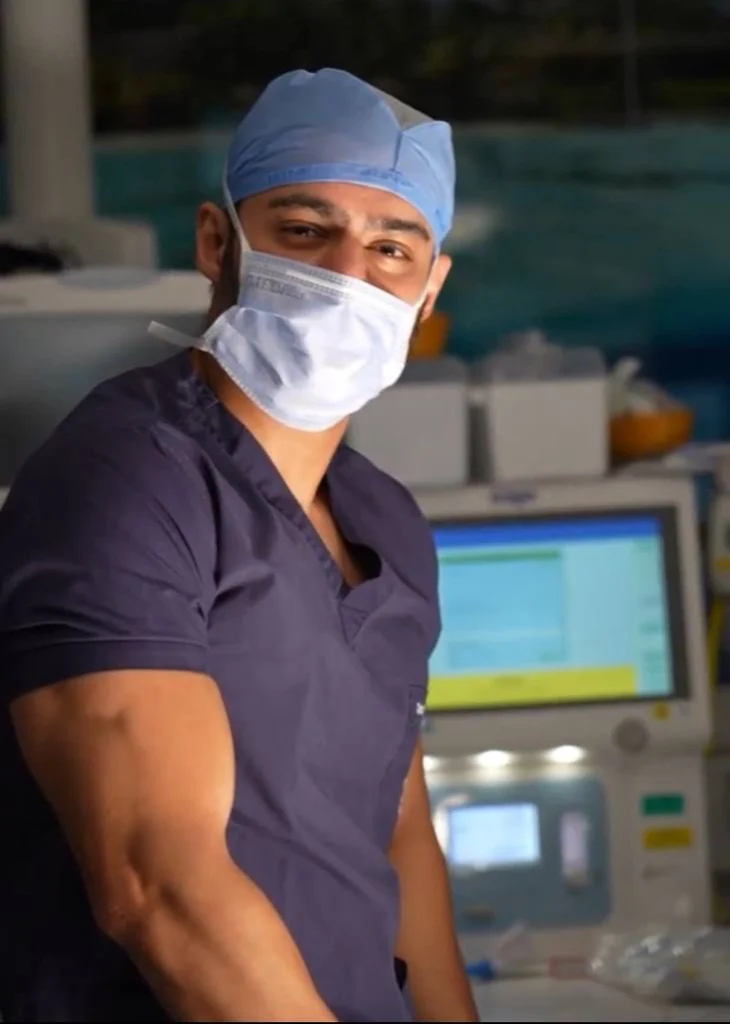
I use real-time ultrasound on every single case.
Not selectively. Every BBL. The portable high-definition ultrasound goes in the room with me every time, and I confirm cannula position before, during, and after fat injection. This is the single most important safety step in modern BBL, and it’s non-negotiable in my practice.
I think about the whole lower body, not just the buttocks.
The liposuction component of a BBL is just as important as the fat transfer. By carefully sculpting the waist, flanks, lower back, and outer thighs, I create the proportional contrast that makes the buttock enhancement look natural. A snatched waist makes the same amount of fat transfer look far more dramatic — without going bigger than the patient wants.
I’ll tell you honestly what’s achievable with your fat stores.
If you’re lean, I’ll explain the Skinny BBL approach and whether it’s appropriate for you. If the fat simply isn’t there to achieve your goal in one session, I’ll tell you that too — and we’ll plan accordingly.
I don’t overfill.
I’d rather stage a procedure and give you a safe, beautiful result in two sessions than overfill in one and leave you with fat necrosis, infection, or a shape that doesn’t look right. This is a conversation we have openly before any surgery is planned.
Are You a Good Candidate?
A BBL is likely a great fit if:
- You have stubborn fat in the abdomen, flanks, back, or thighs that can serve as a donor source
- You want to enhance the shape, projection, or volume of your buttocks
- You prefer a natural result using your own tissue rather than implants
- Your weight has been stable for several months
- You’re in good overall health and not a smoker
- You have realistic expectations about achievable volume and shape
Even if you’re lean — don’t rule it out. Come in for a consultation and we’ll assess what’s possible.

What Happens Before Your Procedure
- A thorough assessment of your fat stores. Before anything else, I assess how much fat you have available, where the best donor sites are, and what volume is realistically transferable. This directly shapes the surgical plan.
- A clear discussion of your goals. Size, shape, projection, proportion — we get specific. I want to understand exactly what you’re hoping to look like, so the plan is built around your vision, not a generic template.
- Medical clearance. Routine bloodwork and any additional tests to confirm you’re fit for the procedure.
- Clinical photos and measurements. Standardized and fully confidential. Essential for planning and for comparing results.
- Full consent discussion. Every risk, every realistic outcome, every recovery detail — laid out clearly before you sign anything.
- An anesthesiologist meeting. Every patient meets the anesthesiologist before the procedure. No exceptions.
HOW THE PROCEDURE Works
Step 1: Liposuction and Fat Harvesting
VASER-assisted liposuction removes fat from the donor areas — abdomen, waist, flanks, lower back, thighs, arms where indicated. This simultaneously sculpts those areas and provides the raw material for the transfer. The liposuction is performed with fat viability in mind — gentle technique, appropriate settings, preserving as many healthy fat cells as possible.
Step 2: Fat Processing
The harvested fat is filtered and purified in a closed, sterile system — removing fluids, oil, and non-viable cells, leaving behind the highest quality fat for transfer. How fat is handled between harvest and injection directly affects how much of it survives.
Step 3: Ultrasound-Guided Fat Injection
Using microcannulas under real-time portable ultrasound guidance, purified fat is injected into the subcutaneous layer of the buttocks in multiple small deposits — layered carefully for even distribution and a smooth, natural contour. Cannula position is confirmed throughout. Fat goes above the muscle. Always.
Step 4: Final Contouring and Symmetry Check
The waist, hips, and buttocks are assessed together for balance and symmetry. This is the finishing step — making sure the overall lower body silhouette looks proportionate and complete from every angle.
Post-Operative Care — And Why It Matters for Your Result
This is one of the most important sections on this page. How you recover after a BBL directly affects how much of the transferred fat survives — and therefore how good your final result looks.
- The golden rule: protect the fat. The transferred fat needs to establish a new blood supply in its new location. Pressure on the buttocks during the early recovery period disrupts this process and kills fat cells. Less surviving fat means a smaller, less even final result.
- No sitting directly on your buttocks for 2–3 weeks. When you need to sit — use a BBL pillow. This is a specialized cushion that offloads pressure from the buttocks onto the thighs, allowing you to sit without compressing the grafted fat. You’ll need one at home, in the car, and at work.
- How to sit with a BBL pillow. Place the pillow under your thighs, not your buttocks. Your bottom should be suspended in the gap at the back of the pillow. Short sitting intervals only in the first two weeks — keep it to under 30 minutes at a time where possible.
- How to sleep after a BBL. Sleep on your stomach or on your side. Not on your back. This is non-negotiable for the first 3–4 weeks. It’s uncomfortable — but it’s one of the most important things you can do for your result.
- No cardio or fasting for at least one month. Cardio burns calories, and fasting puts your body in a caloric deficit. Both can cause your body to metabolize the newly transferred fat before it has a chance to establish itself. For the first month after surgery, eat well, rest, and let the fat settle. There will be plenty of time to train afterward.
- Compression garments on donor areas. Worn for 4–6 weeks to control swelling, support healing, and help the skin retract in the liposuctioned areas.
- Lymphatic drainage. Begins after the first week to reduce swelling and support circulation in the treated areas.
- IV nutrition and peptide therapy. Where indicated, to support tissue regeneration and fat cell survival.

BBL vs Buttock Implants — Which Is Better?
Both are valid options for buttock augmentation — but they’re very different procedures, and I want to be transparent about why I prefer BBL in the vast majority of cases.
BBL (Fat Transfer)
- Uses your own fat — no foreign material in the body
- Natural look and feel — the result moves and feels like natural tissue
- Simultaneous body contouring from the donor sites
- No implant-related complications — no capsular contracture, no implant malposition, no replacement needed
- Requires sufficient fat stores to harvest
- Some fat resorption is normal — final volume settles over 3–6 months
Buttock Implants
- Suitable for very lean patients with no fat to transfer
- Predictable volume — no resorption
- Higher risk of complications — infection, displacement, capsular contracture, visible edges
- Longer recovery
- Less natural feel compared to fat transfer
- May need to be replaced or removed over time
My honest preference? BBL — every time there’s enough fat to work with. The results look and feel more natural, the body contouring benefit from the liposuction adds a whole other dimension to the result, and there’s no foreign material introduced into the body. For patients who simply don’t have enough fat — implants are a valid alternative, and I’ll discuss that option honestly if it applies to you.
Alternatives to BBL — Fillers, Biostimulators, and Fat Substitutes
For patients who want buttock enhancement without surgery, or who want to maintain or supplement a BBL result, there are non-surgical and minimally invasive options worth knowing about.
- Dermal Fillers. Injectable fillers can add temporary volume to the buttocks. Results are immediate but not permanent — typically lasting 12–24 months depending on the product. Best suited for subtle enhancement or patients not ready for surgery.
- Biostimulators. Products like Sculptra stimulate your body’s own collagen production over time, gradually improving volume and firmness. Results develop over several months and last longer than standard fillers. A good option for patients wanting gradual, natural-looking improvement.
- Fat Substitutes — Renuva, Allocale, Lipoderma. These are processed fat products that can be injected similarly to your own fat — without requiring liposuction first. They act as a scaffold that your body gradually replaces with its own tissue. A useful option for patients with limited fat stores who want a natural-feeling result without multiple surgical sessions.
It’s worth being clear: none of these options replicate the full contouring benefit of a BBL — where the liposuction simultaneously sculpts the surrounding areas. But for the right patient, they’re genuinely useful tools, and I’ll always discuss them if they’re relevant to your situation.
BRAZILIAN BUTT LIFT
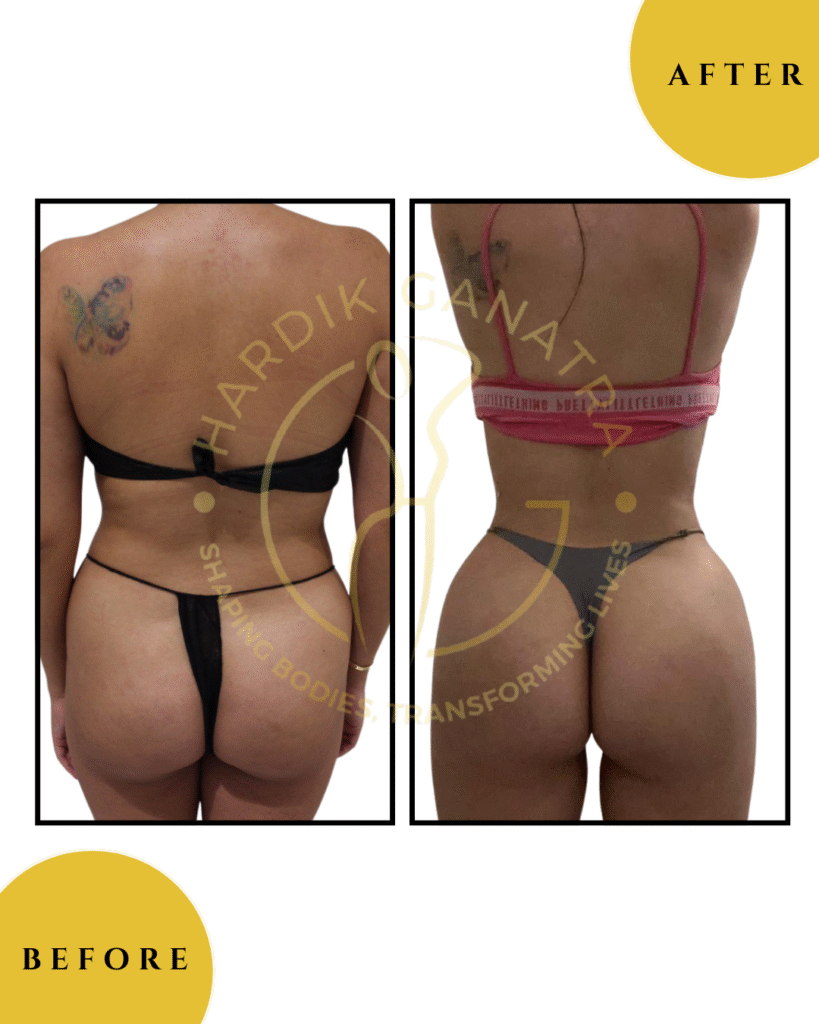
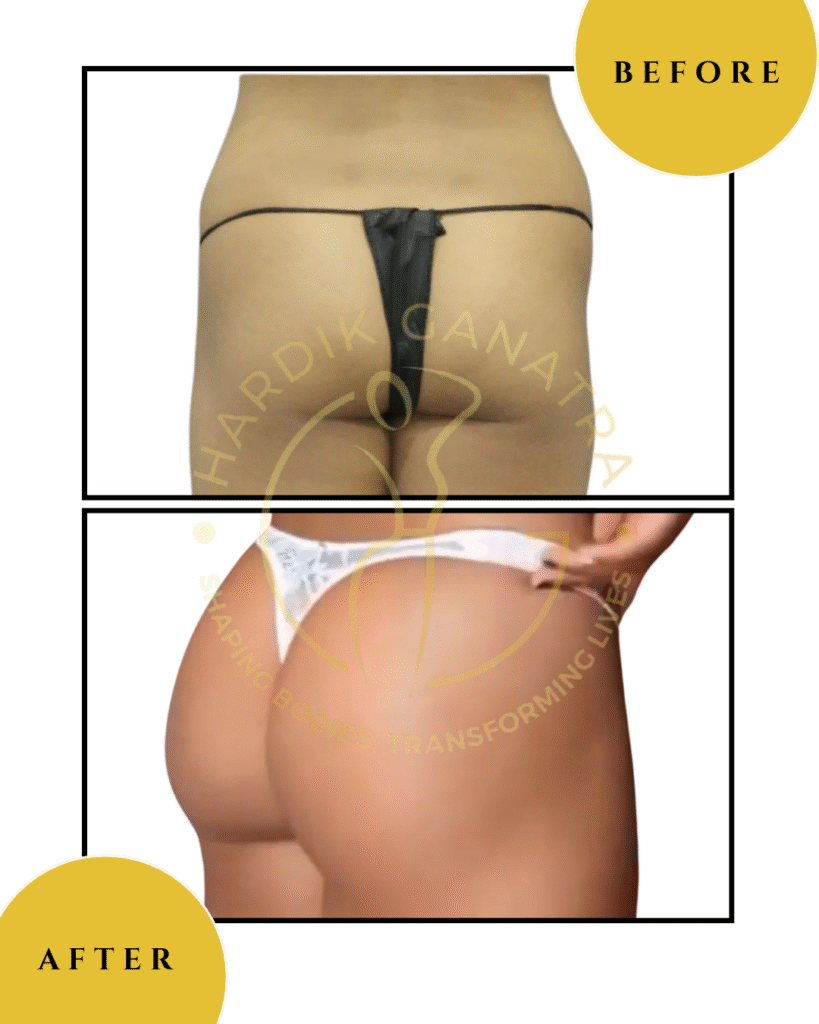
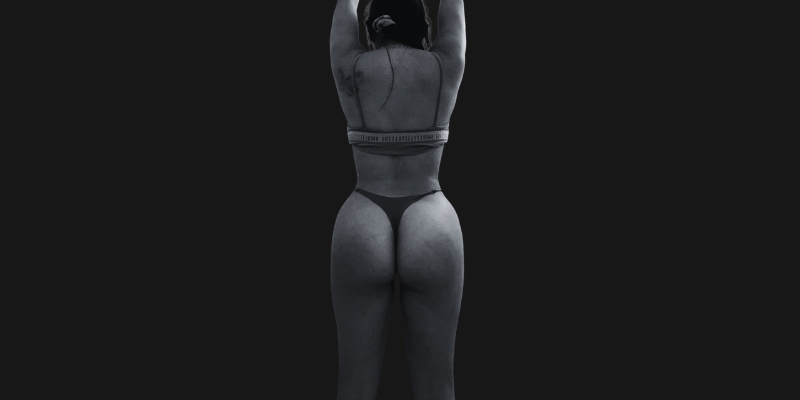
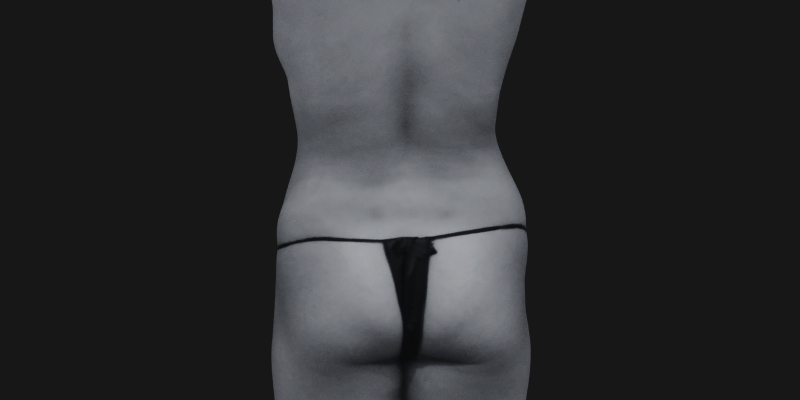
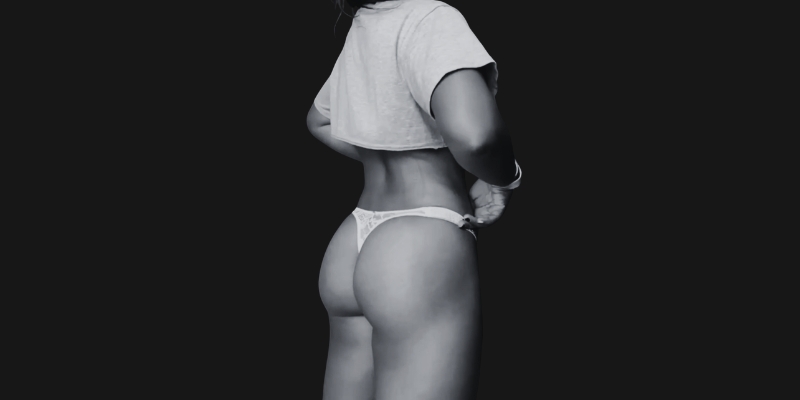
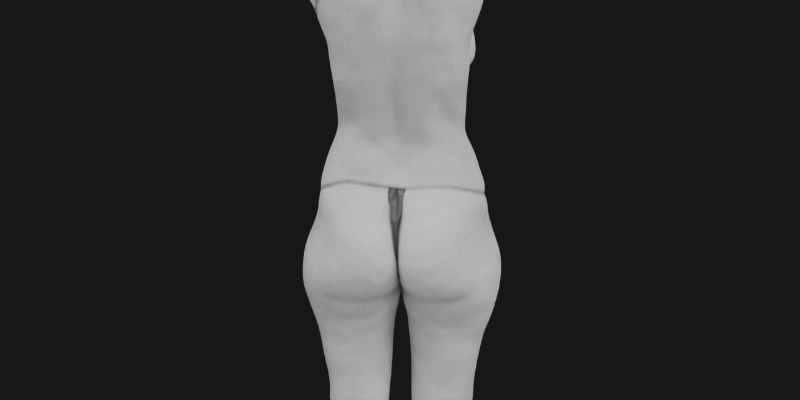
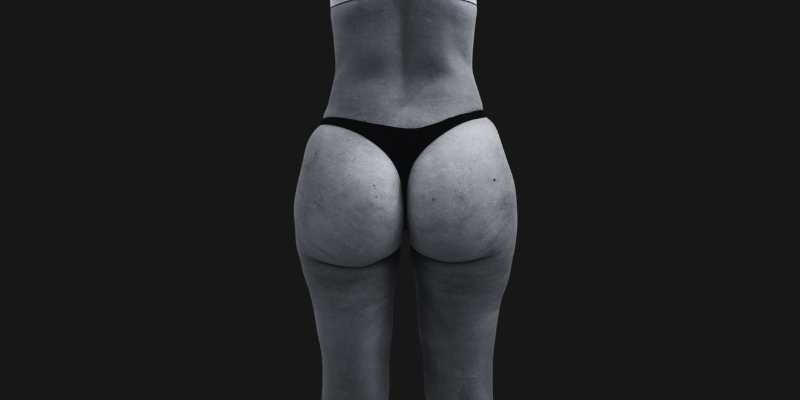
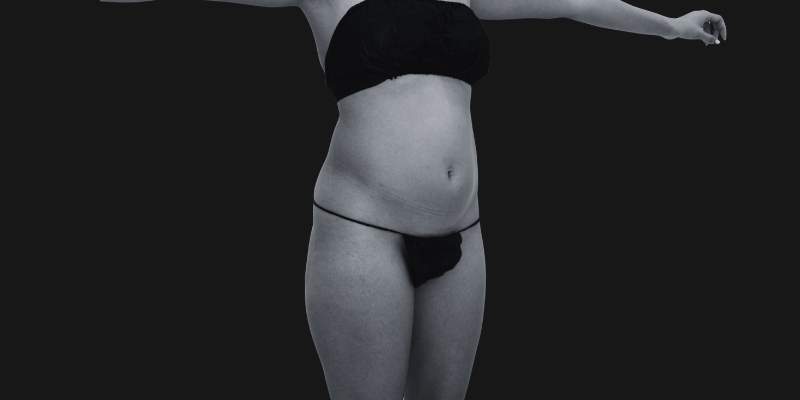
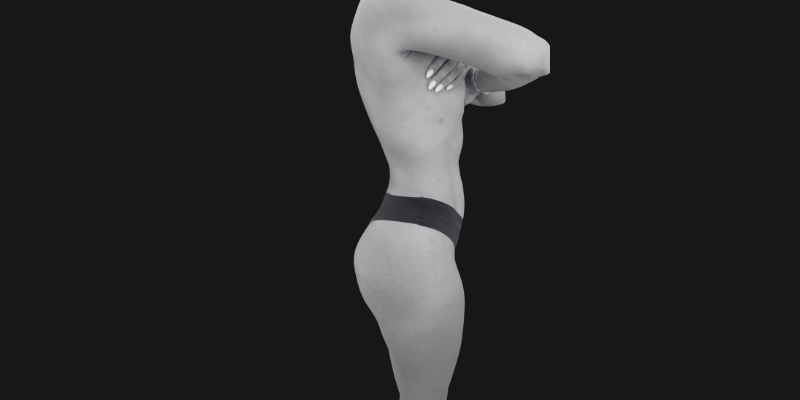
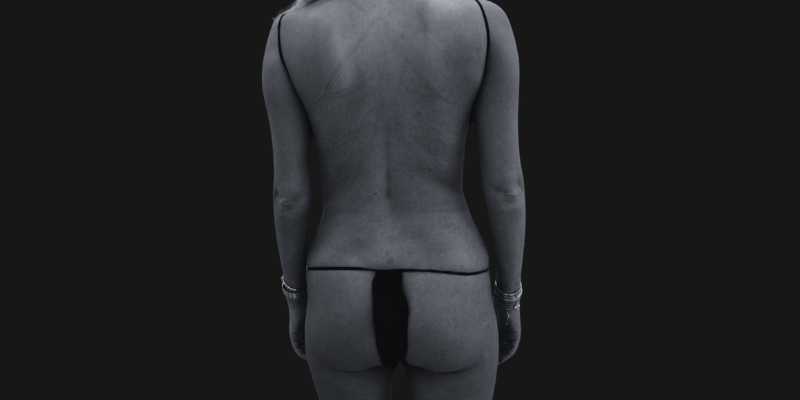
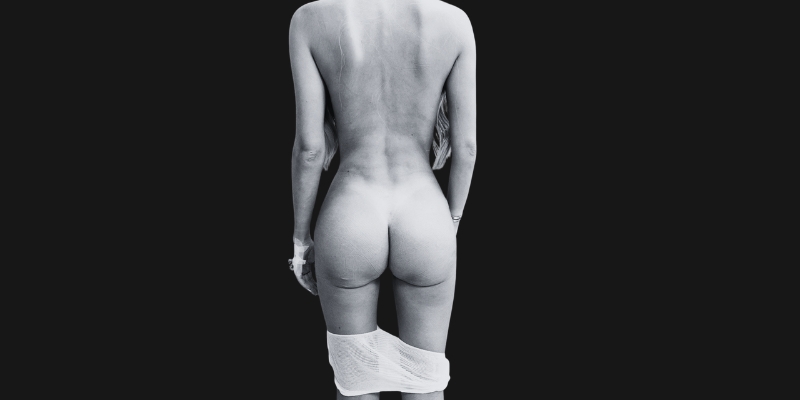
Before & After
Each transformation under Dr. Hardik’s care is designed to enhance your natural proportions not exaggerate them.
What OUR Patients are saying ?
“It looks so natural — no one believes I had surgery.”
“I wanted to enhance my curves but was terrified of looking ‘overdone.’ Dr. Ganatra really listened to what I wanted — subtle lift, smooth proportions, and balance with the rest of my body. The BBL results are exactly that. My clothes fit beautifully, and it still looks completely natural. Truly an art.”
— L.M., 33, United Kingdom
“He didn’t just shape my body — he reshaped my confidence.”
“I had always felt self-conscious about having a flat figure. When I met Dr. Ganatra in Dubai, his approach felt different — focused on harmony, not exaggeration. The recovery was smooth, and the results are sculpted yet soft. It’s not about size; it’s about proportion — and he got that perfectly right.”
— Z.A., 29, Dubai
BRAZILIAN BUTT LIFT Frequently Asked Questions
1. Is BBL really safe now?
Yes — when performed correctly. The key is injecting fat above the gluteal muscle in the subcutaneous layer, where the dangerous blood vessels aren’t. I use portable high-definition ultrasound on every case to confirm this in real time, and I follow the American Society of Plastic Surgeons Task Force safety guidelines strictly. The risk profile of modern BBL, performed properly, is very different from what it was a decade ago.
2. How much of the transferred fat survives?
Typically 60–80% of transferred fat survives long-term. The rest is reabsorbed by the body in the weeks and months following surgery. This is why protecting the fat during recovery — no pressure, no cardio, good nutrition — matters so much. The survival rate also depends on how gently the fat was harvested and processed.
3. What if I don’t have much fat to transfer?
That’s where the Skinny BBL approach comes in. We either harvest from multiple donor sites — torso, arms, thighs — to maximize the total volume, or we plan two staged sessions. Come in for a consultation and we’ll assess what’s realistically possible for your body.
4. Will the results be permanent?
The fat that survives the initial resorption period is there for the long term. However — if you lose significant weight after surgery, your body may metabolize some of the transferred fat along with fat elsewhere. Maintaining a stable weight after a BBL is the single best thing you can do to protect your result.
5. Can I combine a BBL with other procedures?
Yes — commonly with VASER liposuction, tummy tuck, J-Plasma skin tightening, and breast procedures. Combinations are planned carefully based on safety, operative time, and recovery. A BBL is almost always combined with some degree of liposuction by definition — but whether to add other procedures is a conversation we have during your consultation.
6. How long is the recovery?
Most patients return to desk work within 1–2 weeks. Light activity resumes around week 2–3. Gym workouts — including cardio — at 4–6 weeks. No sitting directly on the buttocks for 2–3 weeks. BBL pillow essential for 3–4 weeks. No fasting or cardio for the first month.
7. When will I see the final result?
Initial shape is visible within 2–3 weeks as the swelling settles. The final result — after fat resorption has stabilized and swelling has fully resolved — is typically clear by months 3–6.
8. How much does a BBL cost in Dubai?
The cost depends on the volume of liposuction required, the number of donor sites, whether the procedure is staged, and facility and anesthesia time. You’ll receive a personalized quote after your consultation.