TIGHTENING SKIN IN TWO DIRECTIONS
Fleur-De-Lis Tummy Tuck In Dubai After Weight Loss
“i've Got Loose Skin Hanging Down, But My Whole Abdomen Also Feels Too Wide.”
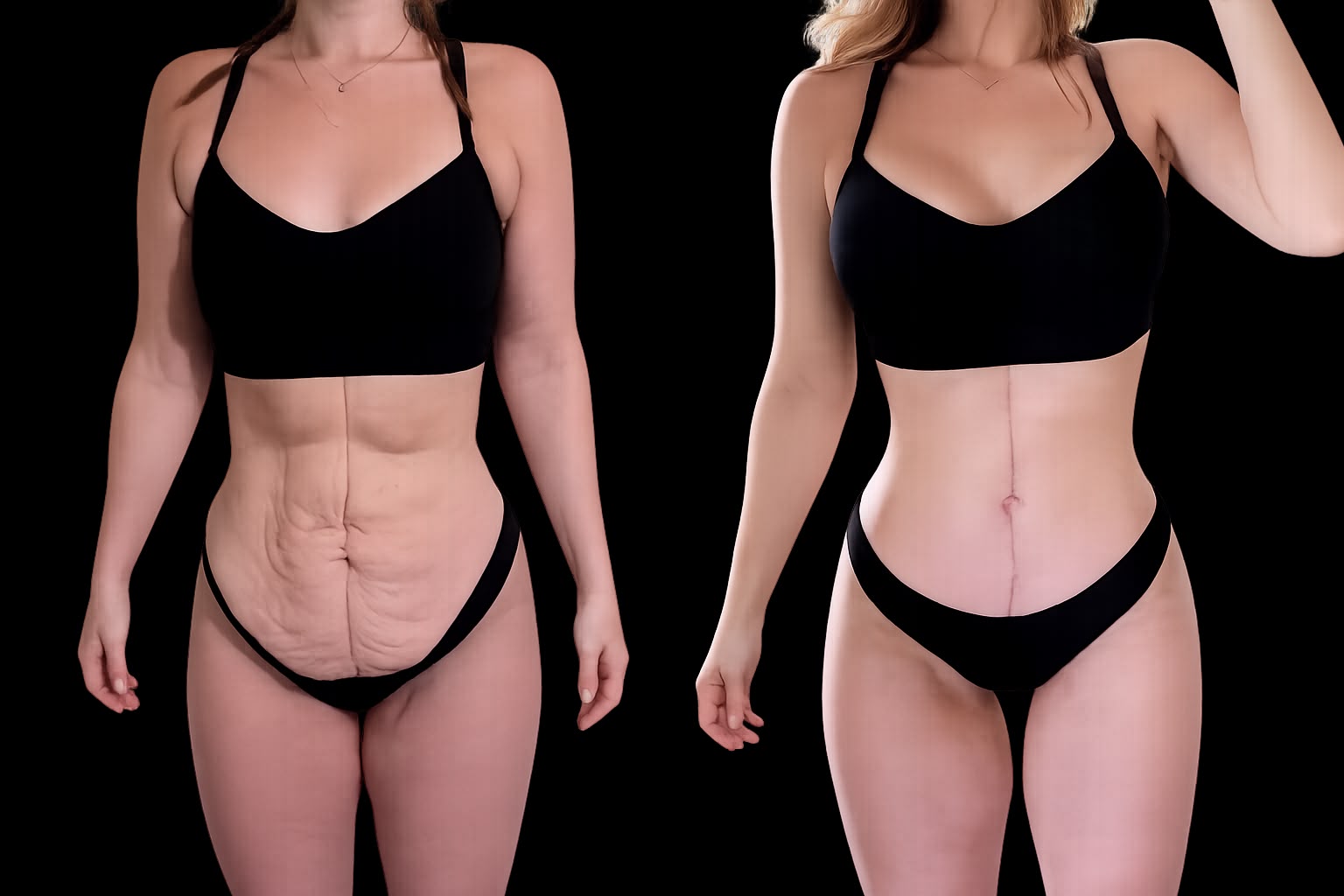
A standard tummy tuck removes skin horizontally and pulls the abdomen downward. That works well when the excess is vertical — skin hanging from above to below. After major weight loss, though, the abdomen is often too wide from side to side as well.
A fleur-de-lis tummy tuck adds a vertical removal to the usual horizontal one, so the abdomen can be tightened in both directions. It gives a far stronger correction. The trade-off is a visible vertical scar on top of the low horizontal one.
What Is A Fleur-De-Lis Tummy Tuck?
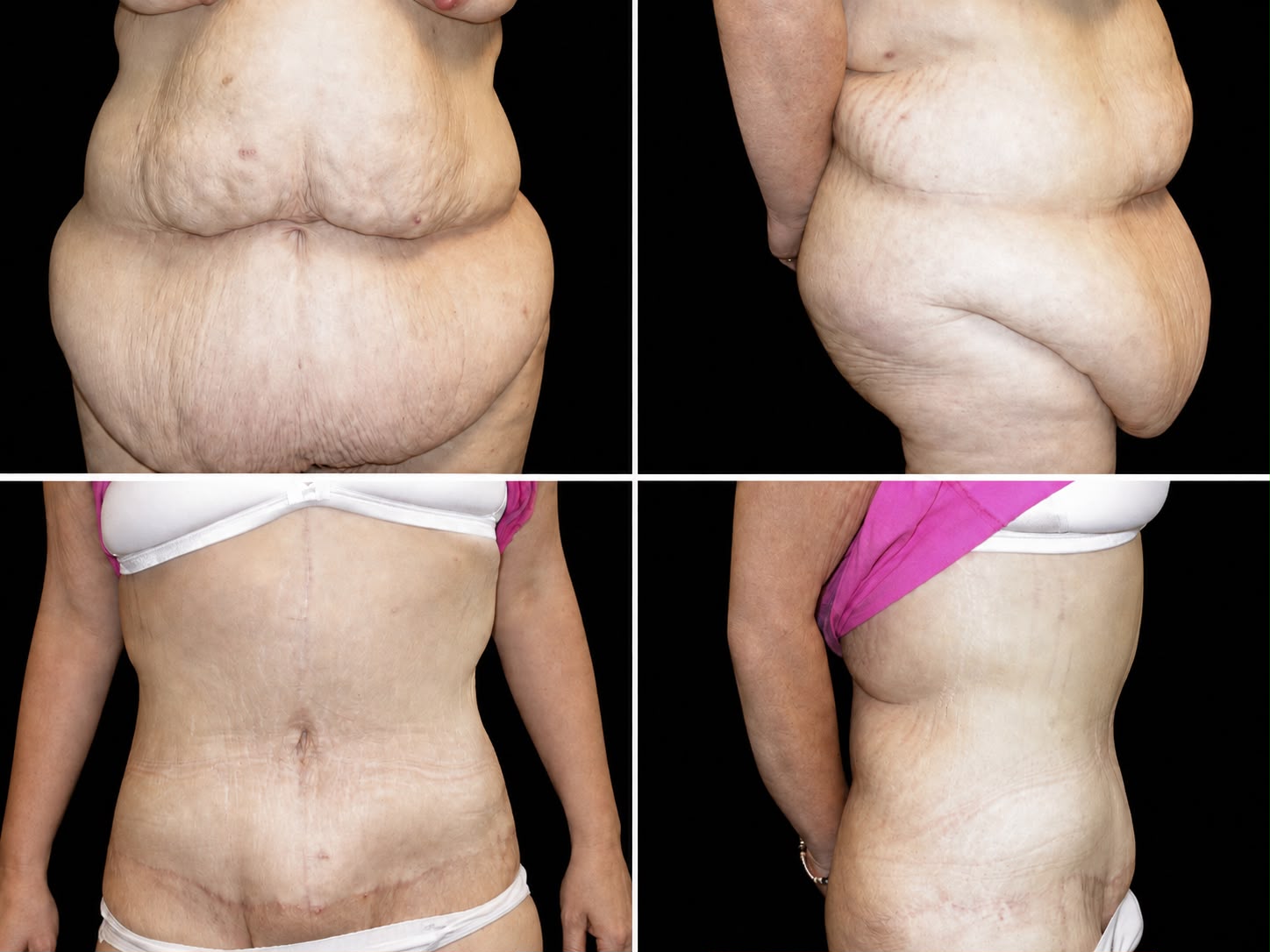
The operation removes a horizontal segment of lower abdominal skin and a vertical segment from the centre. The final scar looks like an inverted t — a pattern that shortens the torso from top to bottom and narrows it from side to side. It's used mainly after massive weight loss, bariatric surgery included, where a conventional tummy tuck would leave central looseness or a broad, boxy abdomen behind.
If a horizontal excision is used alone on a patient with major side-to-side looseness, the lower abdomen improves while the upper centre stays broad, folded or empty — the patient still feels wide. The vertical component removes that central width and takes away the bulky, deflated look so common after massive weight loss.

How It Compares — Extended Tummy Tuck And 360 Body Lift
| Procedure | Main Problem Corrected | Scar Pattern |
|---|---|---|
| Extended Tummy Tuck | Loose skin in front, extending toward the sides | Longer low horizontal scar |
| Fleur-de-Lis Tummy Tuck | Vertical and horizontal abdominal excess, especially central | Low horizontal scar plus vertical midline scar |
| 360 Tummy Tuck / LBL | Loose skin continuing around the lower back and buttocks | Circumferential scar around the lower torso |
The scar has a low horizontal line and a vertical line up the centre; where the two meet is the t-junction. That point carries more tension than anywhere else, and it needs careful planning, closure and aftercare. I discuss the scar openly before surgery, not afterwards — it's a straight trade-off: a more visible scar in exchange for more complete skin removal and real narrowing of the torso.
“For the right patient, the scar isn't a failure of the operation. It's the reason the skin could be removed properly in the first place.”
Cost, Duration & Hospital Stay
| Details | Information |
|---|---|
| Starting Cost | AED 75,000 + 5% VAT |
| Surgery Duration | Approximately 5 hours |
| Hospital Stay | Usually 1 night |
All prices are starting estimates and exclude 5% VAT. The final quotation is confirmed after examination and may change with surgical complexity, previous operations, additional liposuction, hospital requirements or combined procedures.

Why Choose Dr. Hardik Ganatra For A Fleur-De-Lis Tummy Tuck?
Fleur-de-lis surgery isn't just a bigger tummy tuck. It's a major-weight-loss reconstruction, and it demands an understanding of scar placement, tissue blood supply, previous bariatric scars, body proportion and the limits of what can safely be removed.
I work exclusively in body contouring, and more than half of my work is correction and revision — which matters in post-bariatric patients, whose tissues and scars can be unpredictable. My natural bodybuilding background also helps me judge how much central narrowing will actually improve the torso, without tipping into an over-tightened, unnatural look.
Safe surgical planning, structured post-operative care, honest counselling. I'll recommend a fleur-de-lis scar only when the vertical removal genuinely adds something.
Are You A Good Candidate ?
- Post-bariatric patients with large amounts of abdominal skin
- Patients who've lost a very large amount of weight, naturally or with medical treatment
- Patients with loose skin both above and below the belly button
- Patients whose abdomen is loose vertically and too wide horizontally
- Patients with existing central abdominal scars that can be worked into the design
- Patients who understand the vertical scar and accept it for a more complete correction
Before Your Surgery
I assess you standing, sitting and bending, to see where the skin actually collapses, and I map previous bariatric and abdominal scars to work them into the design where possible.
Massive-weight-loss patients need more than a surgery date. I assess weight stability, nutrition, haemoglobin, vitamin and protein status, previous bariatric surgery and general medical risk — a patient can look slim and still be carrying deficiencies that affect wound healing. Sometimes that means delaying until the numbers are stable, or staging procedures rather than combining everything into one very long operation. Neither is a delay for the sake of it.
How I Perform The Procedure
- The horizontal and vertical removals are planned together, so one doesn't distort the other
- Muscle separation (diastasis recti) and hernias are assessed and repaired where needed
- Residual fat may be treated with liposuction, carefully, where it's safe and useful
- The belly button is reshaped and the central closure done in layers, with particular attention to the t-junction
Recovery & Aftercare
Recovery is similar to a full tummy tuck but more demanding, because there's both a horizontal and a vertical closure. The t-junction is watched closely, and wound care often runs longer in patients with major weight loss or previous scars.
- One night in hospital, usually
- Walking starts early, bent forward and with support at first
- Desk work usually takes around two weeks, sometimes longer
- Compression garment for 6–8 weeks
- Scar care matters, especially along the vertical line and the t-junction
- Exercise comes back gradually, once the wound and the muscle repair are stable
Alongside the general risks of tummy tuck surgery, this operation puts more weight on delayed healing, wound separation or skin compromise at the t-junction, widened scars, seroma, asymmetry and residual contour differences. It improves the front of the abdomen only — loose skin around the lower back may need a 360 body lift.
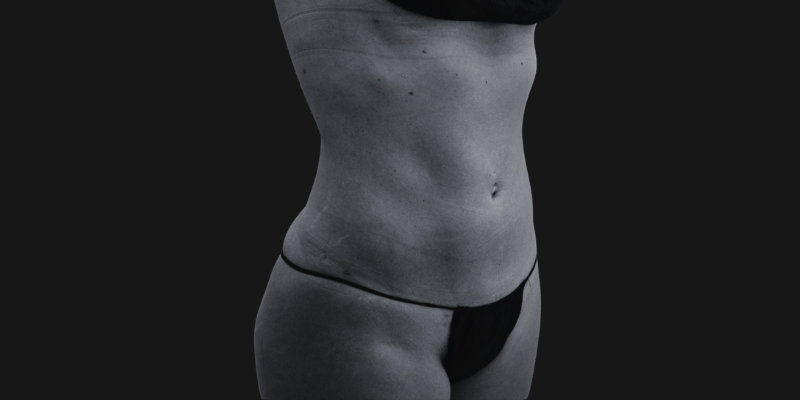
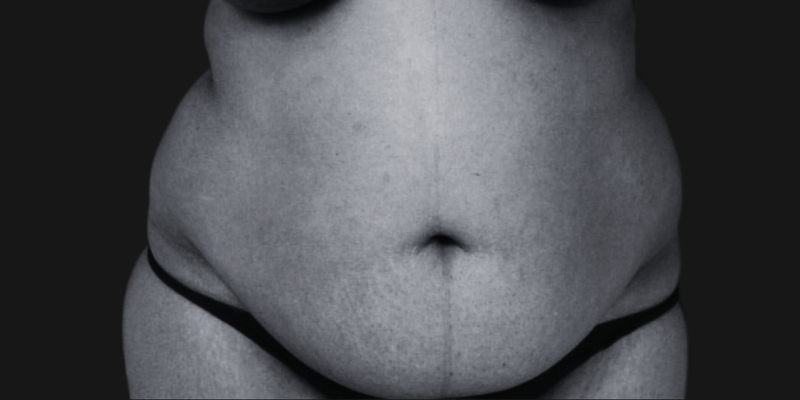
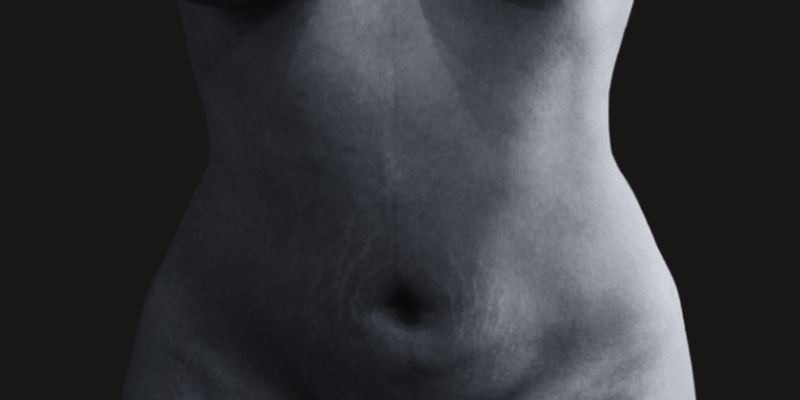
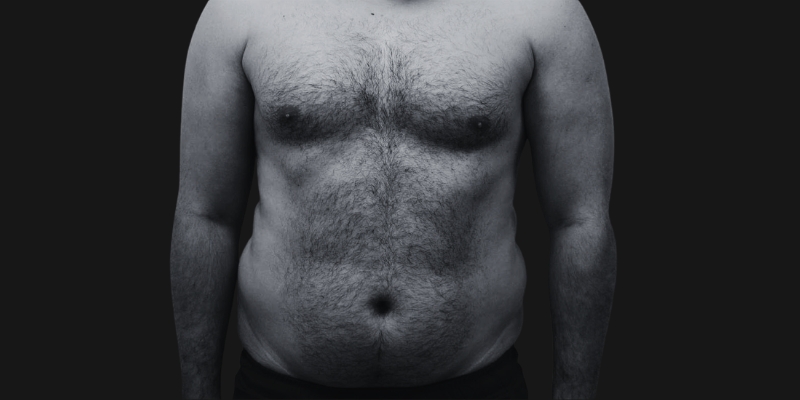
Fleur-De-Lis Tummy Tuck
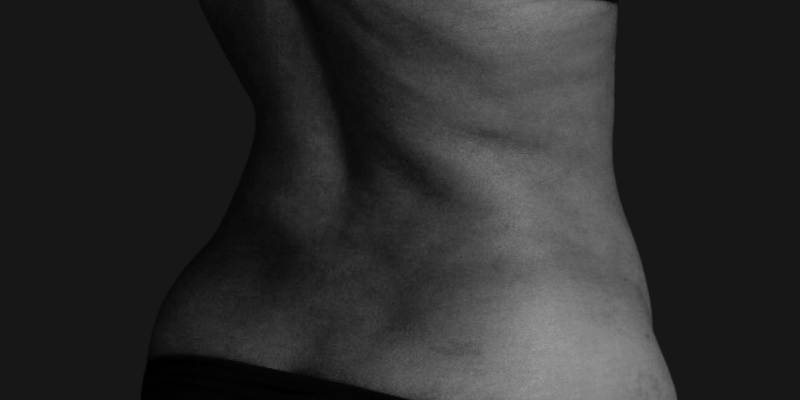
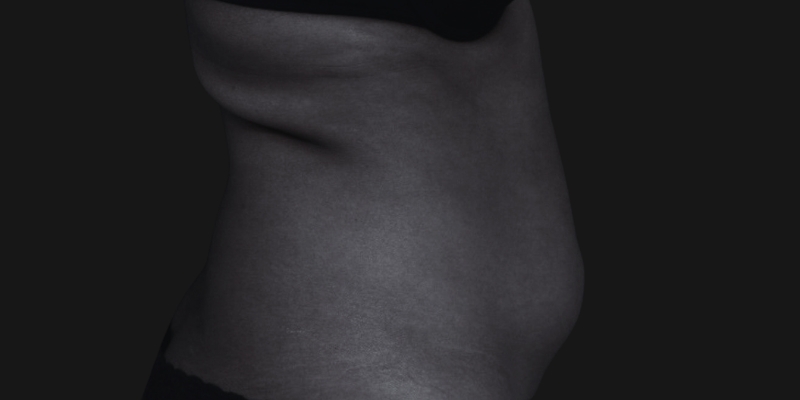
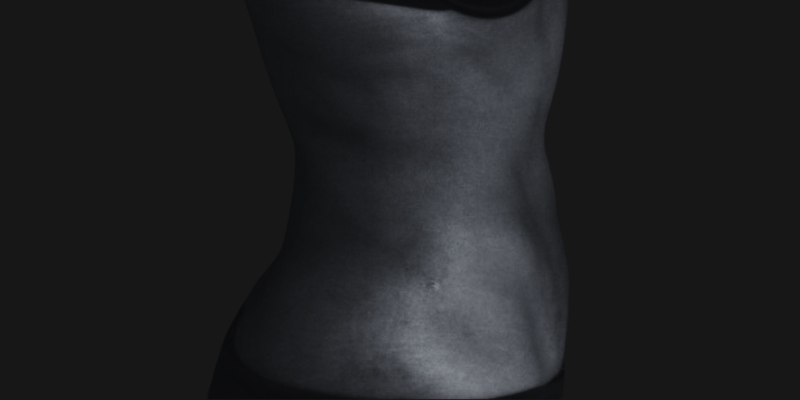
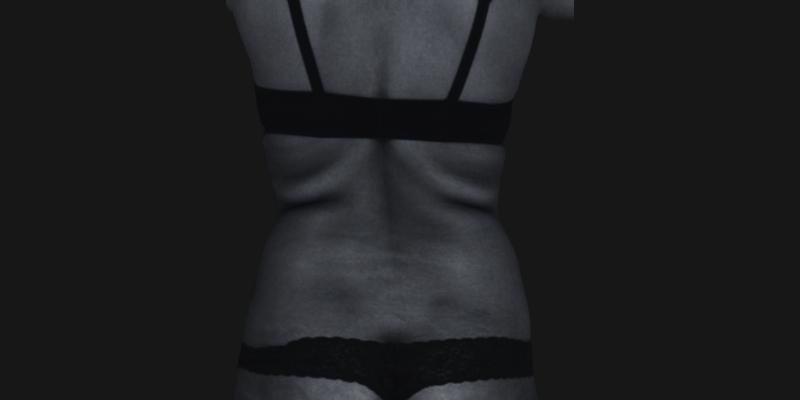
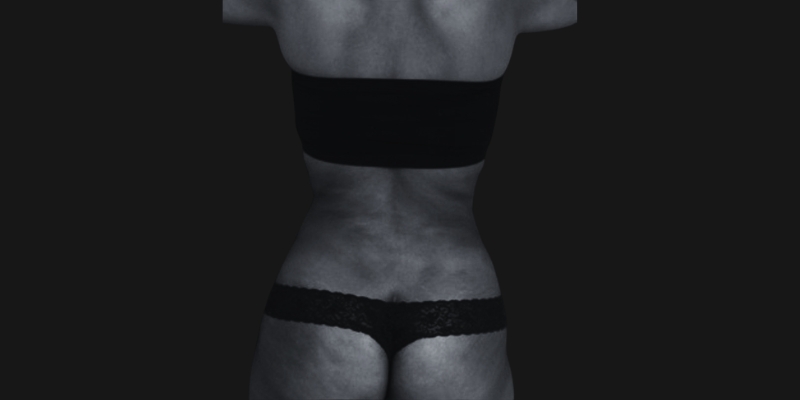
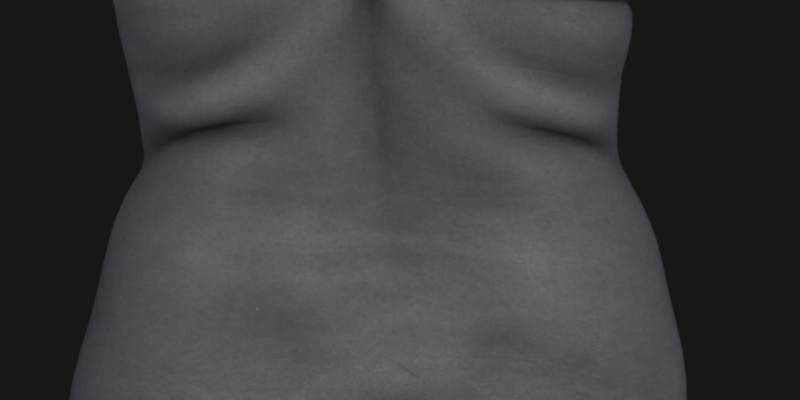
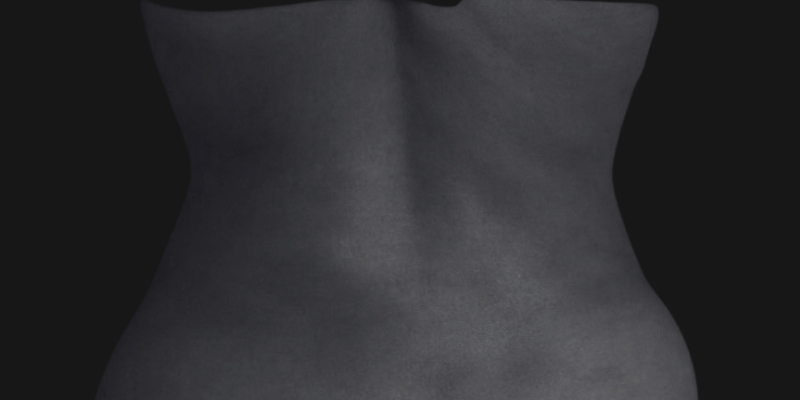
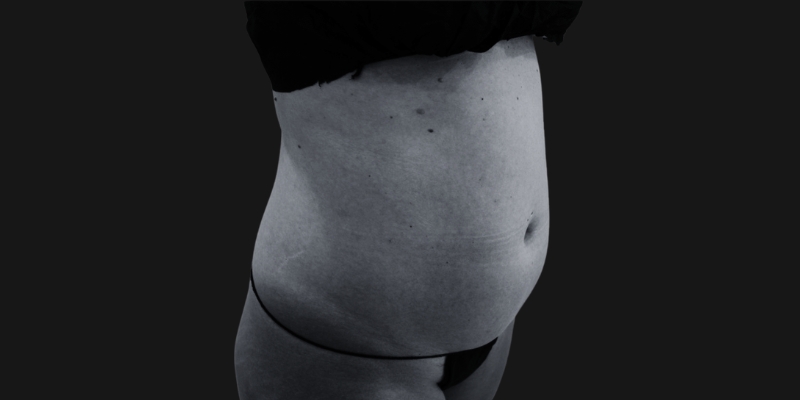
Before & After
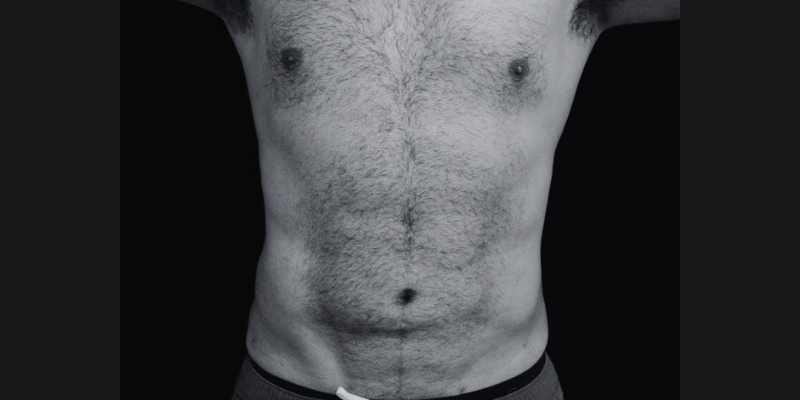
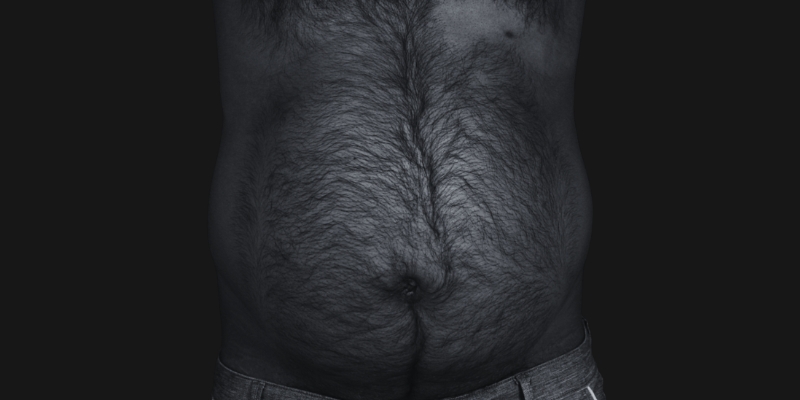
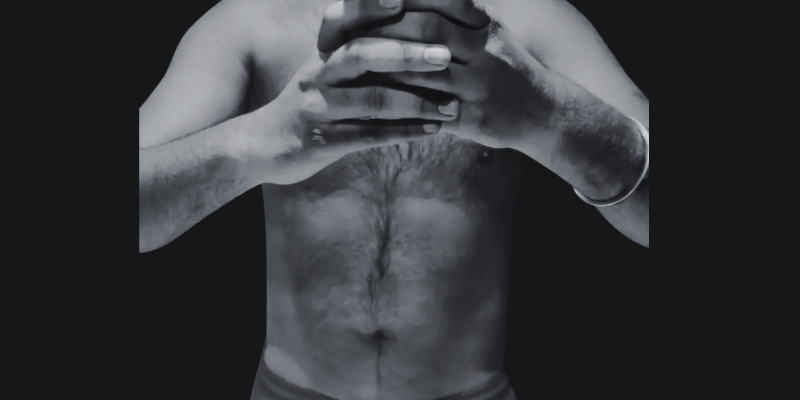
View real transformations that showcase natural definition and proportionate shape enhancement. Each result represents thoughtful contouring, not overcorrection.
Frequently Asked Questions
Why would I need a vertical scar?
The vertical scar is what allows skin to be removed from side to side. Without it, a very wide or centrally loose abdomen stays broad after a horizontal-only tummy tuck.
Is fleur-de-lis only for bariatric patients?
No, though it’s most commonly used after massive weight loss. What decides it is the direction and amount of skin excess, not how the weight came off.
Can the vertical scar be hidden?
Not the way the lower scar hides under underwear. It fades with time, but it stays visible. I’d rather you hear that from me now than discover it later.
Does it remove more skin than a normal tummy tuck?
Usually yes, because skin comes out in two directions rather than one.
Can the muscles be repaired?
Yes. Diastasis recti and selected hernias can be addressed during the same operation.
What is the t-junction?
It’s the point where the vertical and horizontal scars meet. It sits under higher tension than the rest of the closure, so it needs closer aftercare.
Would a 360 body lift be better?
A 360 body lift is better when the loose skin carries on around the lower back and buttocks. Fleur-de-lis is for central abdominal width.
How long before the final result?
The big change shows up early. Swelling and scar maturation carry on for several months after that.
Book a Consultation
If you've lost a large amount of weight and your abdomen feels both loose and wide, book a consultation. I'll assess the direction of your skin excess and recommend a fleur-de-lis only when the vertical removal genuinely adds something.
Medical disclaimer
this page is for general educational purposes and does not replace a personal consultation or medical examination. The correct procedure depends on the location and amount of loose skin, previous scars, abdominal muscle condition, weight stability, general health and individual healing risks. Results, recovery and scar quality vary from patient to patient.