
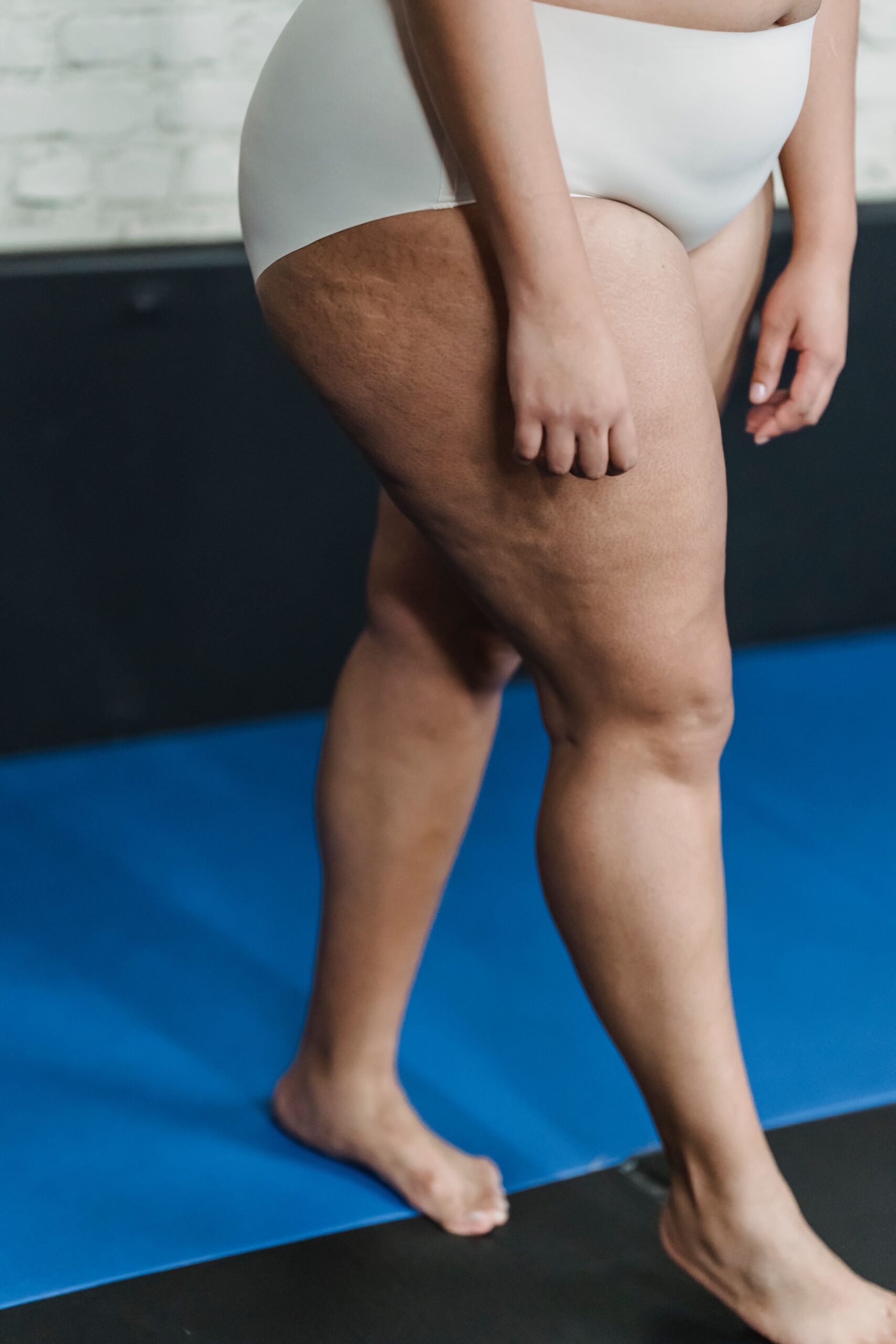
HEAVY LEGS & ARMS DESPITE A SMALL TORSO? YOU MIGHT HAVE LIPEDEMA.
Lipedema Liposuction In Dubai
“It’s frustrating. Everything looks smaller except my legs and arms. I just don’t know what more I can do?”
Lipedema is not simply stubborn fat. It’s a condition in which abnormal, disproportionate fat develops mainly in the legs and sometimes the arms — tissue that can feel painful, tender, heavy or nodular, usually affecting both sides in a similar pattern while the feet and hands are spared. It isn’t the same as ordinary weight gain, cellulite, lymphedema, painless lipohypertrophy or lipodystrophy.
That distinction matters, because lipedema liposuction should not be planned like routine cosmetic liposuction. The diagnosis has to be sound, the tissue is often more extensive and fibrotic, and surgery must respect the lymphatic anatomy. My aim isn’t simply to make the legs look smaller — it’s to reduce abnormal tissue safely, improve proportion, and where possible reduce symptoms such as pain, heaviness and restricted movement.
What Is Lipedema?
Lipedema (also written lipoedema) is a clinically diagnosed disorder of disproportionate subcutaneous fat, occurring predominantly in women and most commonly affecting the hips, thighs, knees, calves and ankles; the arms may also be involved. The distribution is usually bilateral and symmetrical — a patient may have a relatively smaller waist with legs that stay disproportionately large, and because the hands and feet are usually spared there’s often a visible cuff at the ankle or wrist. Pain is central to modern diagnosis: tenderness on pressure, spontaneous aching, heaviness, and a feeling that the tissue is painful rather than simply large.
- Bilateral, fairly symmetrical enlargement of the legs and/or arms, out of proportion with the trunk
- Pain or tenderness on pressure, aching, heaviness, and easy bruising
- Nodular or fibrotic tissue, with fat pads around the inner knees, outer thighs, calves or ankles
- Usual sparing of the feet and hands, often with a visible ankle or wrist cuff

Lipedema vs the Look-Alikes — and the Stages
Getting the diagnosis right means separating lipedema from the conditions it resembles:
| Condition | How to tell it apart |
|---|---|
| Lipohypertrophy | Similarly symmetrical, disproportionate legs, but typically painless — guidelines separate painless lipohypertrophy from lipedema |
| Lipodystrophy | A different group of rare disorders where fat is lost or redistributed, often with metabolic disease (insulin resistance, diabetes) |
| Obesity | More generalised fat including the trunk; not usually pressure-painful — can coexist with lipedema and is managed separately |
| Lymphedema | Fluid-dominant swelling that may be asymmetrical and involve the foot or hand |
| Venous disease | Ankle swelling, varicose veins and skin changes from venous reflux — assessed with a venous Doppler |
| Cellulite | Surface dimpling, without the painful, symmetrical limb disproportion |
Lipedema is usually described in three stages, by how the skin and tissue look and feel:
| Stage | Typical tissue and skin appearance |
|---|---|
| Stage 1 | Skin often still relatively smooth; the tissue beneath is enlarged, with small nodules or a fine, grainy texture |
| Stage 2 | The skin surface becomes more uneven or dimpled; nodules and fibrosis are more obvious and the limb contour more irregular |
| Stage 3 | Larger lobules, overhanging folds, marked contour distortion, significant fibrosis and mechanical limitation |
Stage describes tissue, not pain — an early-stage patient can have severe symptoms. I assess selected Stage 3 patients, but I don’t operate on established lipolymphedema; those patients are referred to a dedicated lymphedema specialist, because the lymphatic problem itself may need treating, not just the fat.
Lipedema Liposuction Cost in Dubai
All prices are in AED.
| Procedure | Starting price | Duration | Stay |
|---|---|---|---|
| Lower-limb lipedema liposuction (thighs, knees, calves & ankles) | From AED 45,000 + VAT | Up to ~4 hours | 1 night |
The arms are usually treated in a separate session, quoted at consultation. The final quotation depends on the stage and distribution, the amount and density of tissue, staging, the use of J-Plasma, and any previous liposuction or fibrosis. The DHA cap of 5,000 mL of total aspirate per procedure is a safety limit, not a promise that five litres will be removed from every patient.
Why Choose Dr. Hardik Ganatra for Lipedema Liposuction
I focus exclusively on body contouring, and more than 50% of my work is revision or correction — experience that matters in lipedema, where tissue quality, fibrosis, contour transitions and safe staging are more complex than routine cosmetic liposuction. As a recreational natural bodybuilder, I understand how a functional physique should look in movement, not just in a photo; with lipedema the goal isn’t an unnaturally thin leg, but reduced abnormal bulk with preserved proportion and a smooth transition from thigh to ankle.
My approach combines a careful clinical diagnosis rather than labelling every large leg as lipedema, a routine venous Doppler before lower-limb surgery, modified Caprini-based DVT planning, tumescent liposuction with PAL and selective VASER, J-Plasma only where it has a realistic role, defined limits on operative time and total aspirate, structured compression and lymphatic therapy, and honest referral of lipolymphedema to lymphatic specialists. If surgery is appropriate, I’ll explain why; if a lymphatic specialist is the better person to treat the problem, I’ll say that too.

Are You a Good Candidate?
Lipedema liposuction isn’t appropriate simply because someone dislikes the shape of their legs — a candidate usually has a convincing clinical diagnosis and symptoms or functional concerns that justify surgery. You may be a good candidate if you have:
- Bilateral, disproportionate limb enlargement consistent with lipedema
- Pain, tenderness, heaviness, bruising or meaningful functional limitation
- Tissue nodularity or fibrosis suitable for surgical reduction
- Reasonable general health and acceptable anaesthetic risk
- Realistic expectations — improvement in symptoms and shape, not a cure
- Willingness to wear high-compression garments for at least three months and attend frequent lymphatic therapy
Further assessment may be needed first if the diagnosis is uncertain (painless disproportion more like lipohypertrophy), if there’s foot swelling or suspected lipolymphedema, untreated venous reflux, marked anaemia, or a high clotting risk. Being asked to complete further assessment isn’t a rejection — it’s part of making the operation safer. I don’t operate on established lipolymphedema in my current practice.
Before Your Surgery
Diagnosis is mainly clinical — I don’t diagnose lipedema from a photograph or simply because legs are large. Before lower-limb surgery I work through:
- Full clinical assessment — when and how the disproportion began, changes around puberty, pregnancy or menopause, and personal and family history.
- Symptoms and signs — pain and bruising, symmetry, foot and hand sparing, skin texture and fibrosis, and mobility.
- Ruling out the look-alikes — any signs of venous disease, lymphedema or obesity; imaging may help exclude other problems, but it doesn’t replace examination.
- Venous Doppler (routine) — to identify venous insufficiency that could prolong swelling and affect recovery — not to prove lipedema.
- DVT planning — clotting risk assessed with the modified Caprini score.
- Conservative care — I don’t require an arbitrary number of months of it first, but compression, exercise and weight optimisation still matter and genuinely help recovery.

How Lipedema Liposuction Is Performed
Lipedema surgery is a medical and functional operation, not ordinary leg liposuction with a different label. I prefer a combination of tumescent infiltration, power-assisted liposuction (PAL) and VASER where appropriate — tumescent fluid prepares the tissue and limits bleeding, VASER loosens dense or fibrotic tissue, and PAL lets me aspirate long limb segments in a controlled way. J-Plasma is added selectively when loose skin is present or expected. I don’t use a tourniquet routinely — only when bleeding would otherwise be excessive. No device is the hero of the operation.
- Pre-operative review of the diagnosis, Doppler findings, blood tests and anaesthetic plan
- Standing markings of the whole lower limb, so folds, knee pads and ankle transitions are visible
- General anaesthesia for full lower-limb treatment (sedation for small, limited areas)
- Tumescent infiltration, then selective VASER of dense or fibrotic areas
- PAL aspiration, preserving a smooth transition between zones; selective J-Plasma where appropriate
- High-compression garments fitted, with an overnight hospital stay
For the lower limbs I plan the thighs, knees, calves and ankles as one connected unit; the arms are usually treated in a separate session so the operation stays safe. I keep sessions under about four hours, and Dubai Health Authority standards cap a single procedure at 5,000 mL of total aspirate — a safety ceiling, not a target. If the plan would exceed safe volume or time, it’s staged.
Recovery & Aftercare
Recovery can be more demanding than after small-volume cosmetic liposuction, because the treated area is larger, the tissue may be more fibrotic, and the lower limbs are prone to dependent swelling. Expect soreness, bruising, heaviness and significant swelling that can fluctuate for weeks — and can temporarily make the legs look larger before they look smaller. Fibrosis may take several months to soften, and the final contour settles over three to six months, or longer in Stage 3 disease.
The recovery timeline for the lower limbs usually looks like this:
| Recovery point | Guidance |
|---|---|
| Walking | Begins about 3–4 hours after surgery, with short, frequent assisted walks |
| Long walks | Avoided for around 3 weeks — one long continuous walk can markedly increase swelling |
| Work & driving | Work from home after about 1 week; office work and driving around 2 weeks |
| Exercise | Upper-body from around 3 weeks; lower-body from around 6 weeks, after review |
| Garments | High compression for at least 3 months |
| Lymphatic therapy | Begins as early as day 1 — at least 20 sessions |
If significant loose skin is expected, I prefer to stage it: deflate the limb thoroughly first, let it settle for about six months, then reassess and, if needed, perform a thigh lift or targeted skin removal.
As a substantial lower-limb operation, risks include bleeding, anaemia, seroma, infection, prolonged swelling, numbness, contour irregularity, skin laxity, DVT or pulmonary embolism, fat embolism, lymphatic injury and incomplete symptom improvement — kept lower by careful patient selection, safe volume and time limits, DVT prevention and close follow-up.
Lipedema Liposuction
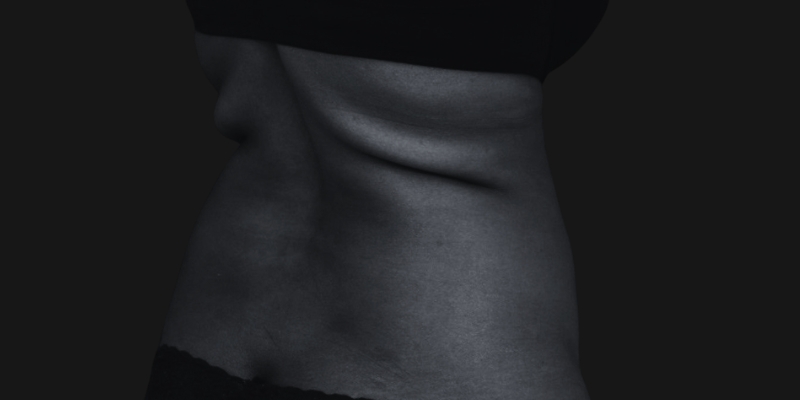
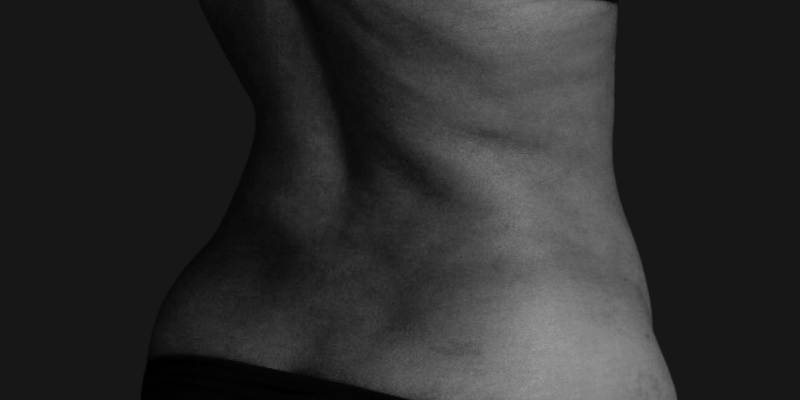
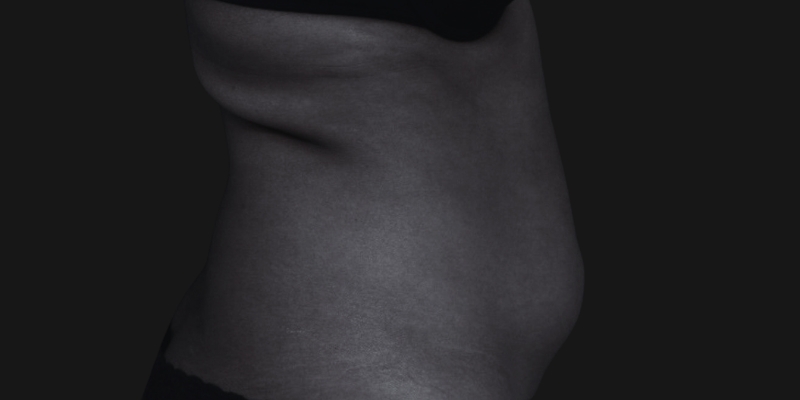
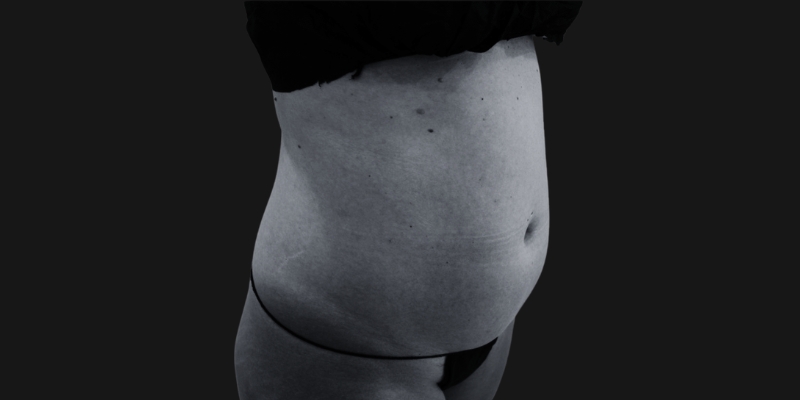
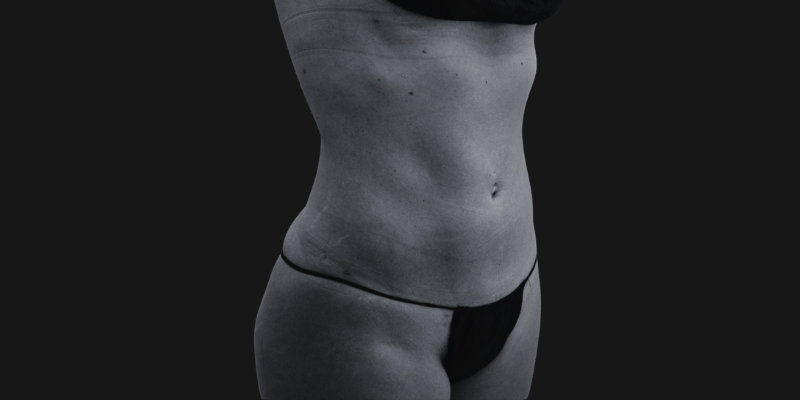
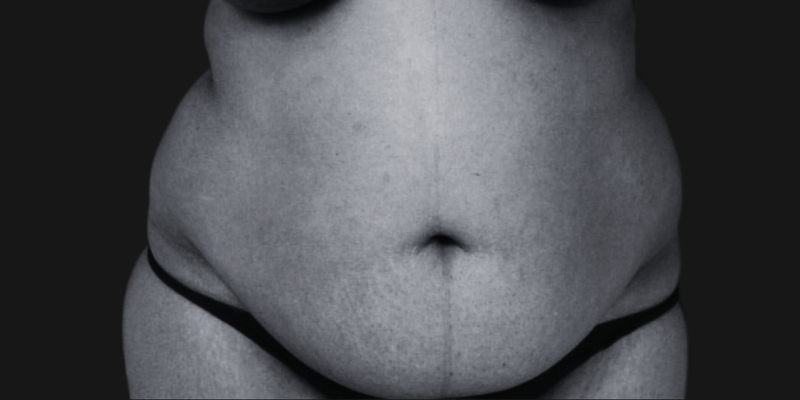
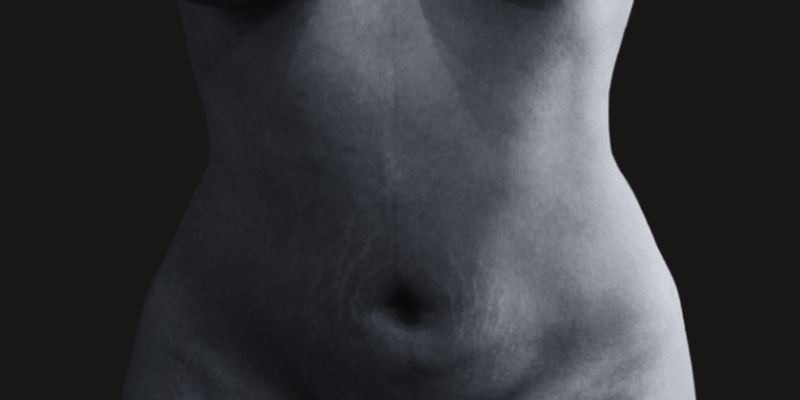
Before & After
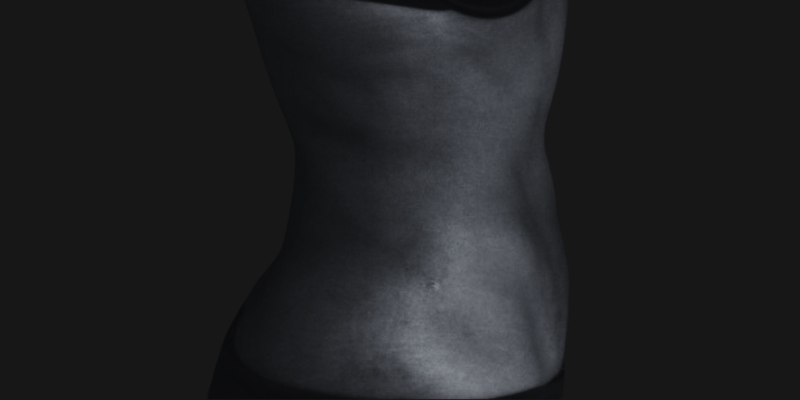
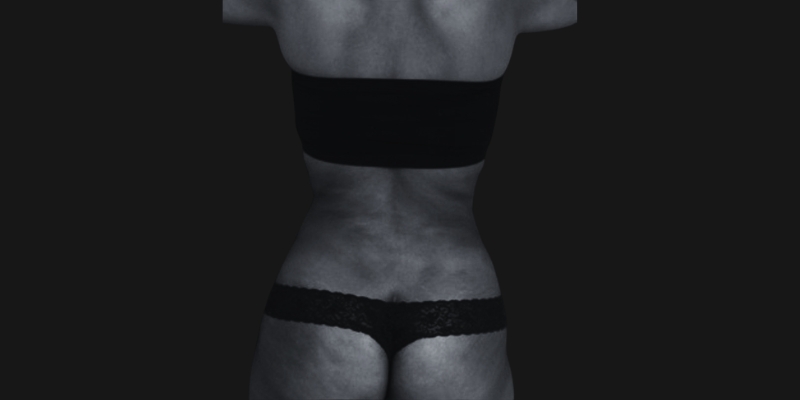
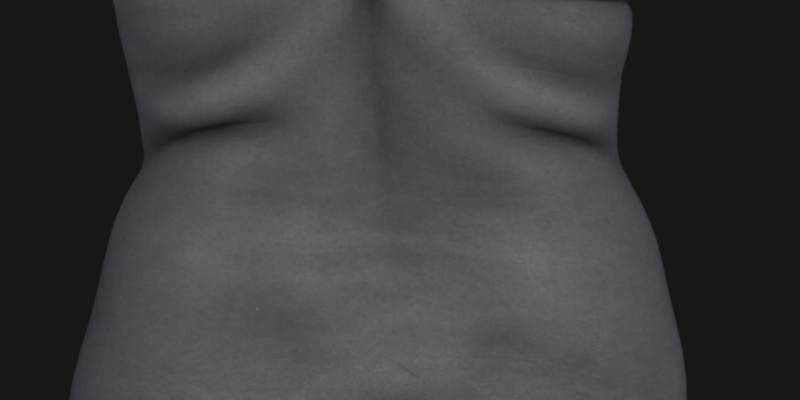
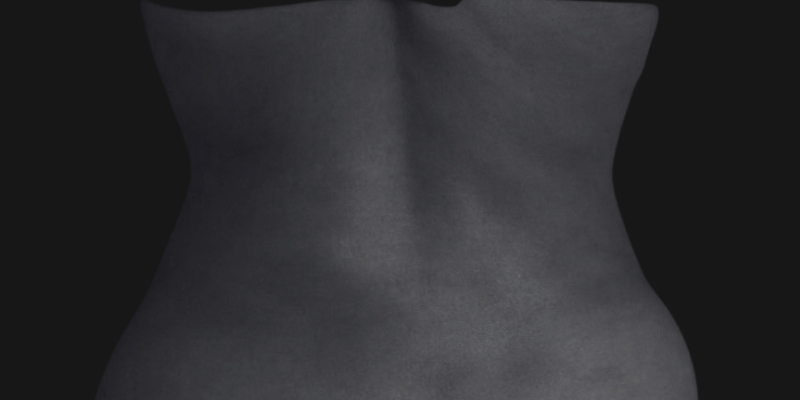
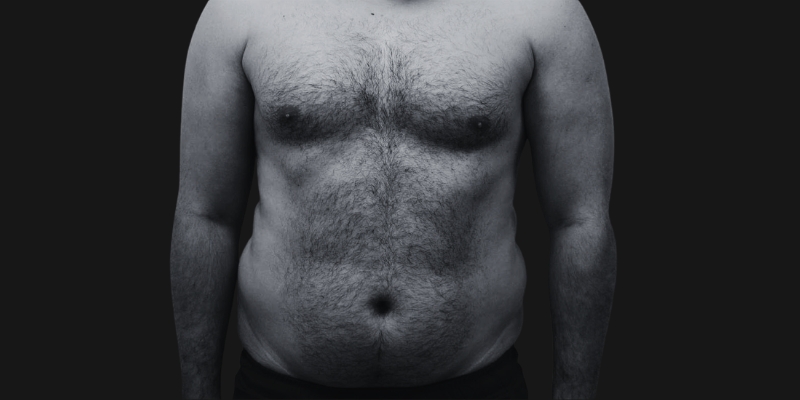
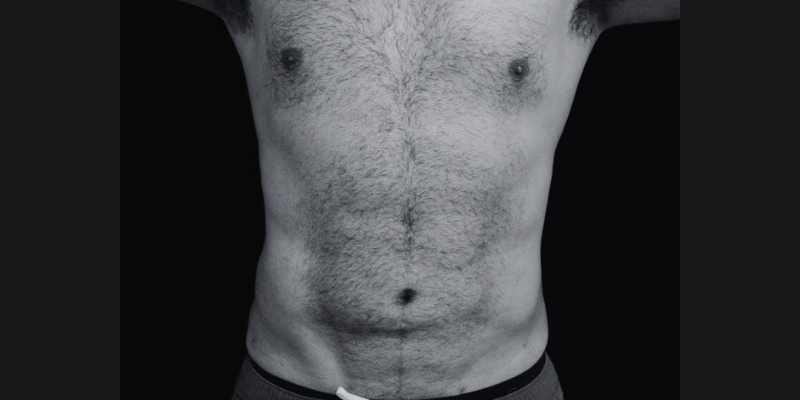
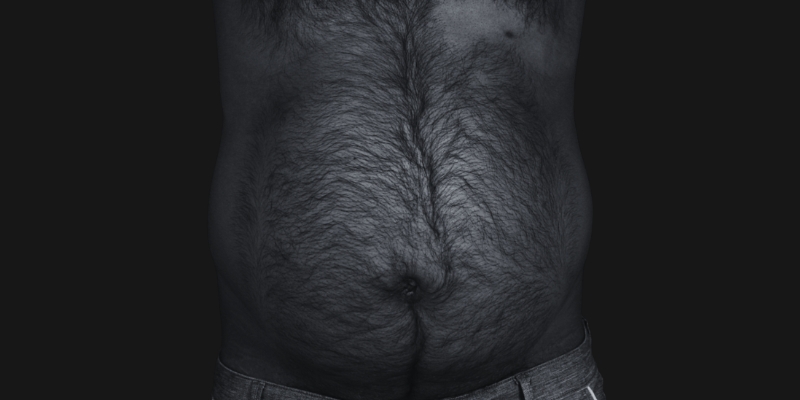
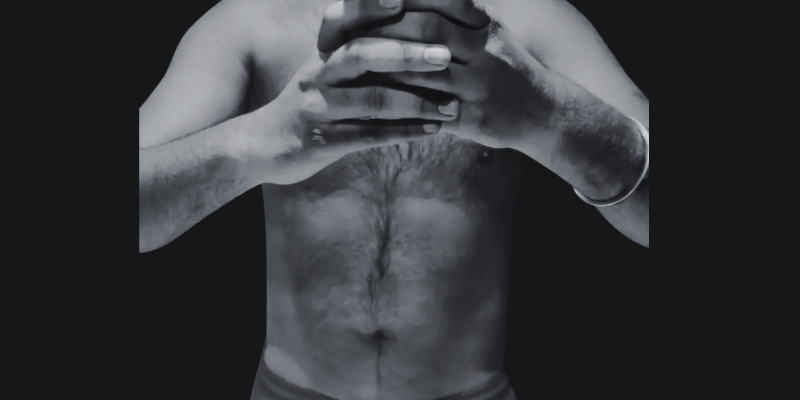
View real transformations that showcase natural definition and proportionate shape enhancement. Each result represents thoughtful contouring, not overcorrection.

Frequently Asked Questions
How do I know if this is lipedema and not just stubborn fat?
Stubborn fat is usually a contour concern; lipedema has a pattern and symptoms — both limbs affected, tissue that feels tender or heavy, easier bruising, and a lower body that stays out of proportion even as the upper body becomes leaner. I don’t diagnose it from appearance alone; the symptoms, history, tissue feel and other medical causes all need assessing.
What’s the difference between lipedema and lymphedema?
Lymphedema is primarily a lymphatic fluid-drainage problem and often causes swelling that involves the foot or hand. Lipedema is mainly a painful disorder of disproportionate fatty tissue, with the feet usually spared. They can overlap — and when established lymphatic insufficiency is present, I prefer referral to a lymphedema specialist, because liposuction alone may not treat the root cause.
Can weight loss, compression or massage remove lipedema fat?
No. Compression, massage and exercise help swelling, comfort, mobility and tissue support, and weight loss helps overall health — but none of them physically remove lipedema fat. Liposuction is considered when the diagnosis is sound, the symptoms are meaningful, and surgery is likely to give a real benefit.
Do you treat Stage 3 lipedema, and lipolymphedema?
I assess selected Stage 3 patients — the tissue is heavier and more fibrotic, so it needs careful planning within safe time and volume limits, and staging if a single session would be too extensive. I do not treat established lipolymphedema; those patients are referred to a dedicated lymphedema specialist, because that is a lymphatic problem, not just advanced lipedema.
How long do I need compression garments and lymphatic massage?
High-compression garments for at least three months — in lipedema, compression supports swelling control, healing and comfort, not just shape. Lymphatic massage can begin as early as day one after surgery, and I usually advise at least 20 sessions, adjusted to swelling, bruising and tissue response.
Is lipedema liposuction a cure — and can it come back?
It’s not a cure. It can reduce abnormal tissue and improve heaviness, pain, mobility, clothing fit and quality of life, but it can’t guarantee every symptom disappears forever. The removed fat cells don’t simply grow back, but remaining tissue can enlarge with weight gain, hormonal change or disease progression — so long-term health, compression when needed, movement and follow-up still matter.
Book a Consultation
If your legs are disproportionately large, heavy or painful and you think it might be lipedema, the first step is a proper clinical assessment — not choosing surgery from a photo. I’ll confirm whether it’s lipedema, check your venous and clotting status, and tell you honestly whether liposuction will help, whether it should be staged, or whether a lymphatic specialist is the better next step.
Medical disclaimer
This page is for general education and does not establish a diagnosis or replace a medical consultation. Lipedema, obesity, lipohypertrophy, lymphedema, venous disease and lipodystrophy can overlap or resemble one another, and every patient requires individual assessment. Surgical suitability depends on the diagnosis, symptom burden, medical history, vascular and lymphatic findings, anaesthetic risk, tissue distribution and skin quality. Results and recovery vary; lipedema liposuction is not presented as a guaranteed cure.