WHEN THE LOOSE SKIN IS ABOVE THE BELLY BUTTON
Reverse Tummy Tuck In Dubai, Explained
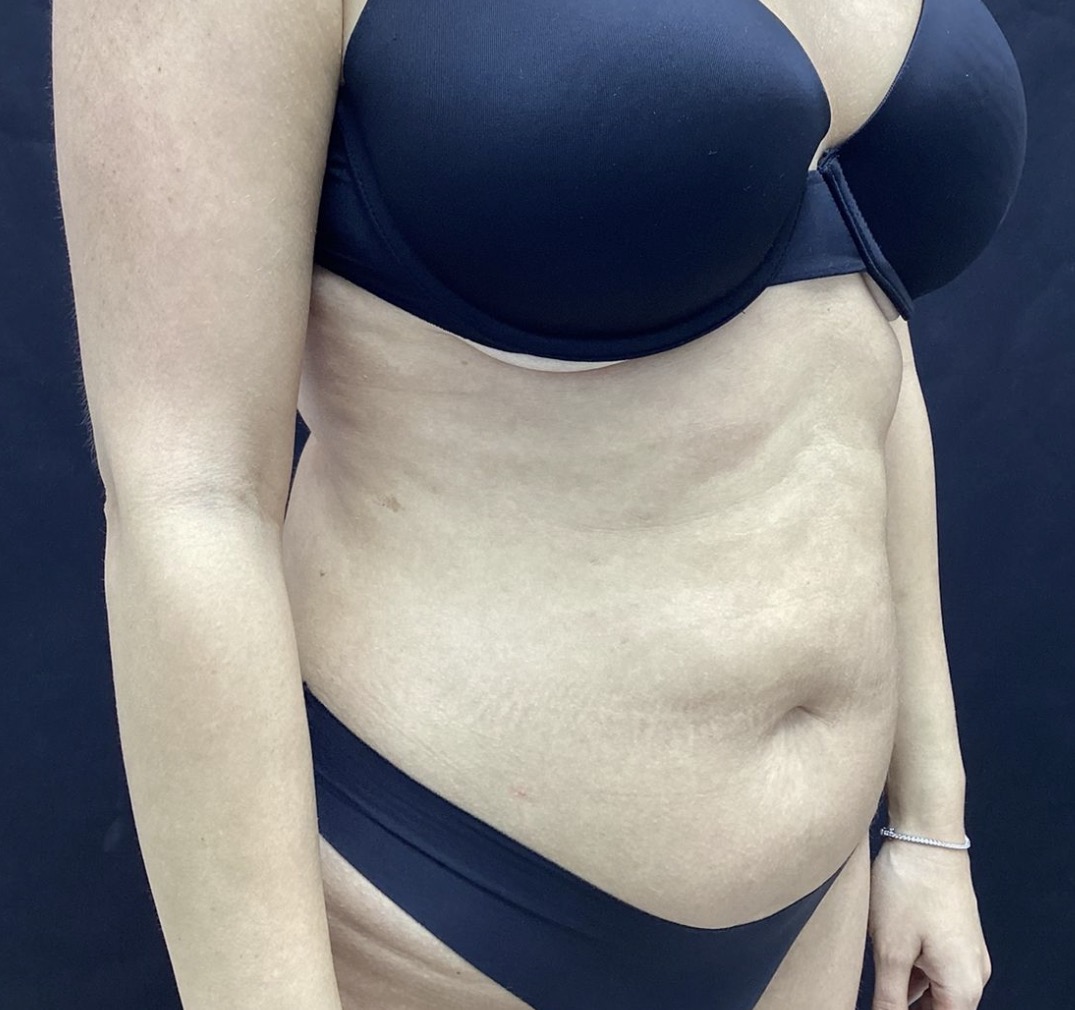
“My lower tummy is fine. It's the loose skin above my belly button that bothers me.”
Most tummy tucks pull the abdominal skin downward and put the scar low. A reverse tummy tuck does the opposite: it lifts the upper abdominal skin upward and takes the excess out along the breast or lower chest fold.
It's a highly selective operation. I use it when the real problem is upper abdominal looseness and a conventional lower tummy tuck wouldn't touch it.
What Is a Reverse Tummy Tuck?
A reverse tummy tuck, or reverse abdominoplasty, removes loose skin from the upper abdomen through an incision along the inframammary fold in women, or the lower chest fold in men. The skin is lifted upward instead of being dragged down toward a low pubic scar.
In the right patient it improves folds under the breasts or chest, looseness above the belly button, and leftover upper abdominal skin after previous liposuction or a conventional tummy tuck.
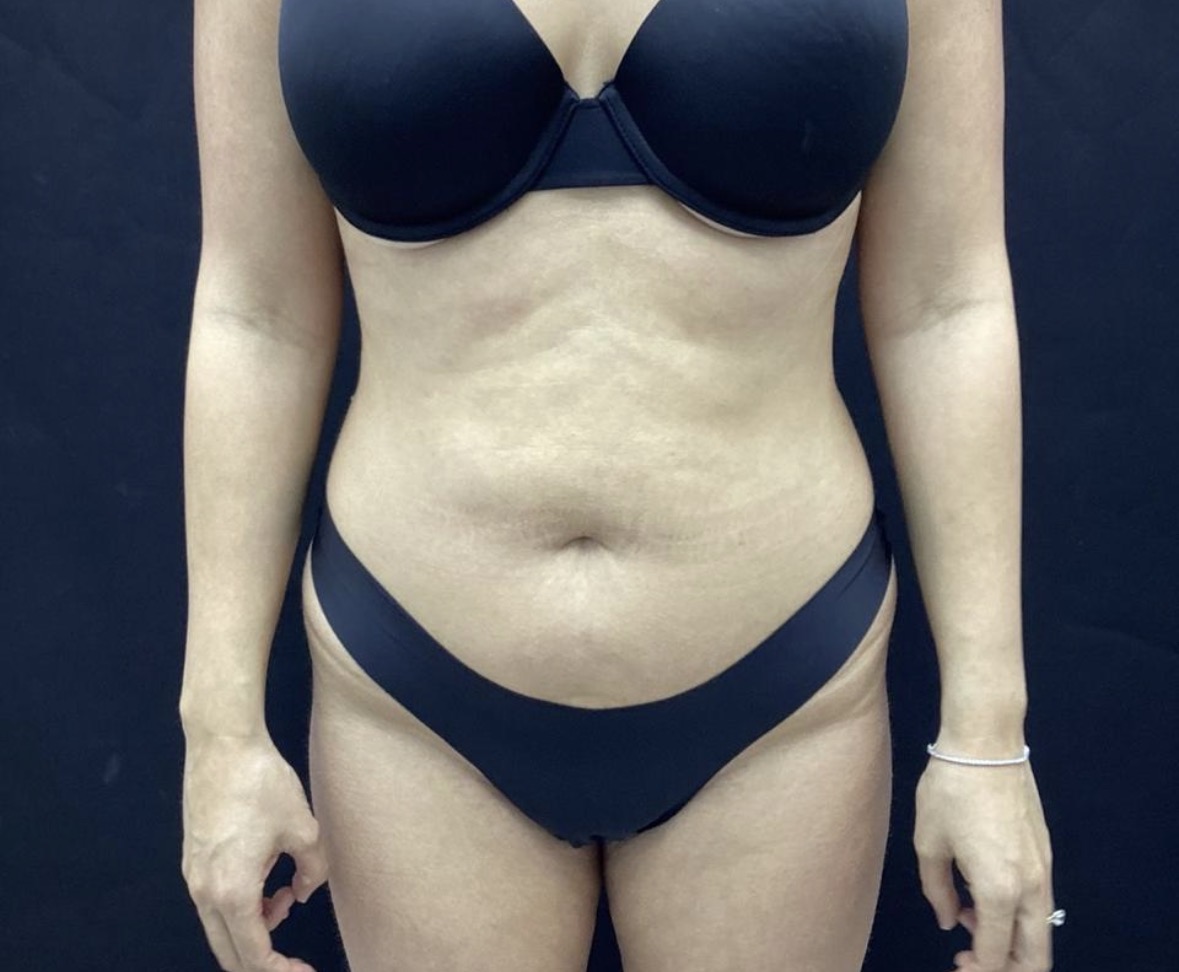

How It Compares — Full Tummy Tuck, and With / Without Lipo 360
| Full Tummy Tuck | Reverse Tummy Tuck | |
|---|---|---|
| Direction of pull | Downward toward a low abdominal scar | Upward toward the breast or chest fold |
| Main problem treated | Lower and central abdominal excess | Upper abdominal skin excess |
| Scar position | Low across the lower abdomen | Along the inframammary or lower chest fold |
| Belly button | Usually brought through a new opening | Often preserved, without lower redraping |
It won't fix a large lower abdominal apron, significant lower tummy looseness, or skin excess that runs all the way around — those patients need a conventional, extended or 360 tummy tuck. The scar sits in the natural fold, where it hides well, but the fold itself has to be planned and fixed: the new inframammary-fold position must stay stable, or the scar drifts downward and the lower breast contour distorts.
Some patients have loose upper abdominal skin and nothing else, so the reverse tummy tuck alone is enough. Others also have fat around the chest, abdomen, waist, flanks and back — in those cases I usually combine it with VASER Lipo 360. The two do different jobs: the reverse tummy tuck removes upper abdominal skin; Lipo 360 reduces fat and sorts out the contour.
Cost, Duration & Hospital Stay
| Procedure | Starting Price (AED) | Duration | Hospital Stay |
|---|---|---|---|
| Reverse tummy tuck | AED 35,000 + VAT | ~2 hours | 1 night |
| Reverse tummy tuck with VASER Lipo 360 | AED 45,000 + VAT | ~3 hours | 1 night |
All prices are starting estimates and exclude 5% VAT. The final quotation is confirmed after examination and may change with surgical complexity, previous operations, additional liposuction, hospital requirements or combined procedures.

Why Choose Dr. Hardik Ganatra For a Reverse Tummy Tuck?
A reverse tummy tuck isn't a routine operation for every loose abdomen. It needs a clear read on where the skin excess actually sits, how the upper torso moves, and how the breast or chest fold will behave once it's healed.
I work in body contouring and nothing else, and more than half of my work is revision and correction — so I see a lot of patients whose upper abdomen stayed loose after a previous tummy tuck or liposuction. As a recreational natural bodybuilder, I also have a clear sense of how the chest, upper abdomen and waist relate in a fit torso, at rest and in movement.
My approach stays conservative and honest. If a reverse tummy tuck isn't the right operation, I'm not going to use it just because the scar position sounds more appealing.
Are You A Good Candidate ?
- Patients whose loose skin is concentrated in the upper abdomen
- Patients whose lower abdomen is already reasonably tight, or has been treated before
- Patients with upper abdominal laxity left over after a previous tummy tuck
- Patients with upper abdominal skin folds after major weight loss
- Selected post-liposuction patients with deflated upper abdominal skin
- Patients who accept a scar along the breast or chest fold
“I don't choose a reverse tummy tuck because it sounds novel. I choose it when the skin excess genuinely points upward.”
Before Your Surgery
I mark the upper abdominal excess and the breast or chest fold with you standing — that's how the direction of the looseness and the final scar line are decided. The operation is planned under general anaesthesia in a hospital, and if VASER Lipo 360 is part of the plan, that's mapped at the same time.
How I Perform the Procedure?
- VASER Lipo 360 goes first when it's part of the plan
- The upper abdominal skin is lifted upward and the excess measured carefully
- The breast or chest fold is secured in a stable position
- The incision is closed in layers, inside the planned fold
In suitable patients I may use a drainless technique — that depends on how much dissection is involved, the tissue quality, and whether anything else is being done at the same time.
Recovery & Aftercare
Recovery is generally shorter than a full tummy tuck, since there's no conventional lower abdominal skin removal. You still have to protect the upper abdominal closure and avoid stretching or pulling across the chest fold while it heals.
- One night in hospital, usually
- Light walking from day one
- Support garment as advised
- Desk work often possible within about 7–14 days, depending on whether Lipo 360 was added
- Upper-body training and heavy lifting only after review
The issues specific to this operation are scar visibility, scar migration, asymmetry or widening of the breast fold, recurrent upper abdominal laxity, fluid collection and delayed healing. It can't correct major lower abdominal looseness — a patient whose anatomy doesn't suit an upward redraping is better off with a different tummy-tuck design.
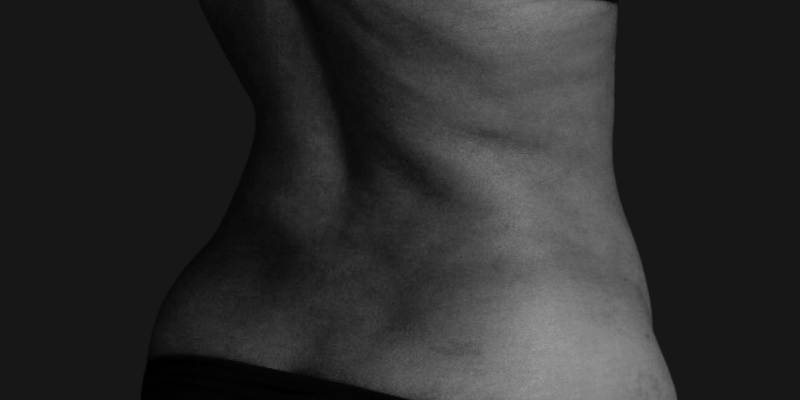
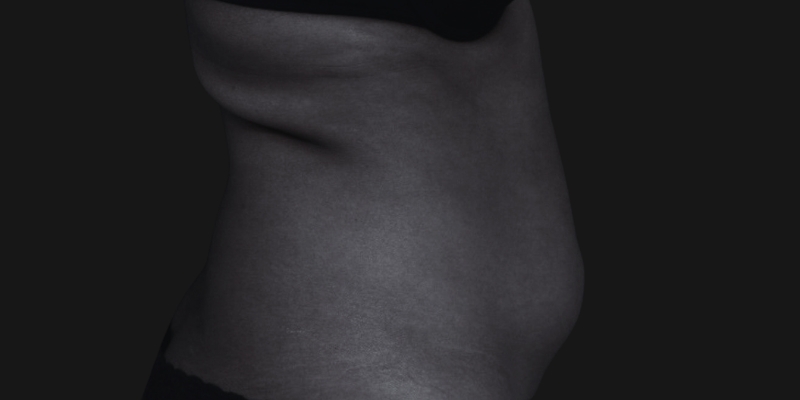
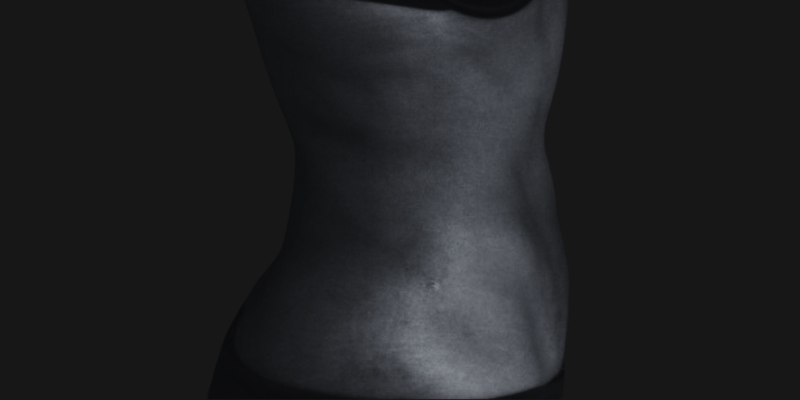
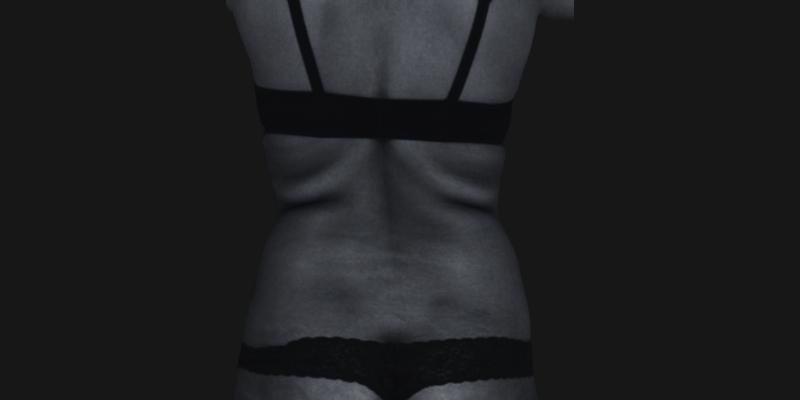
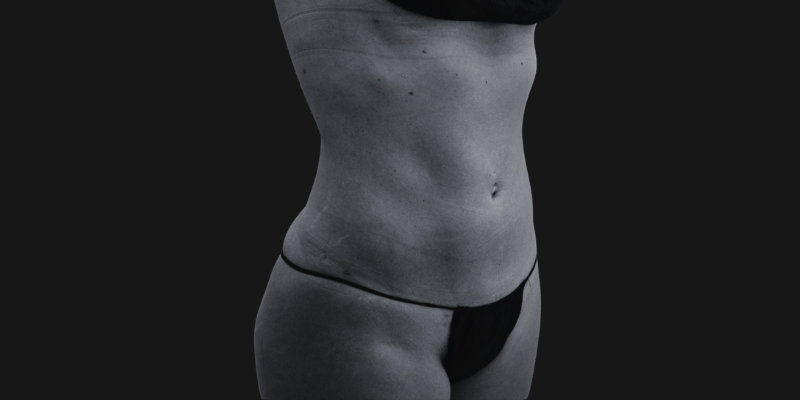
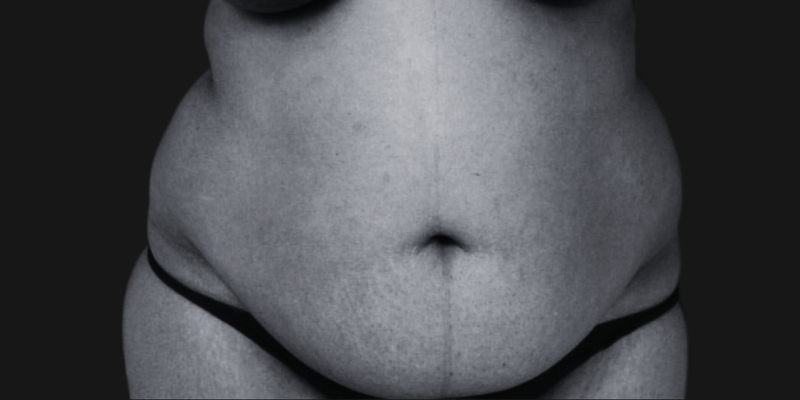
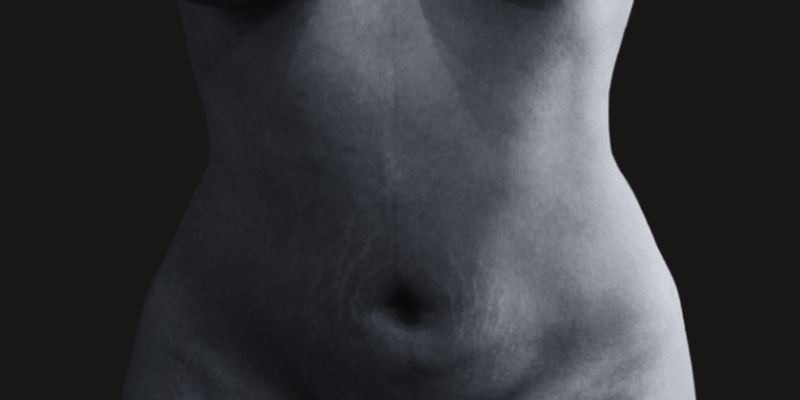
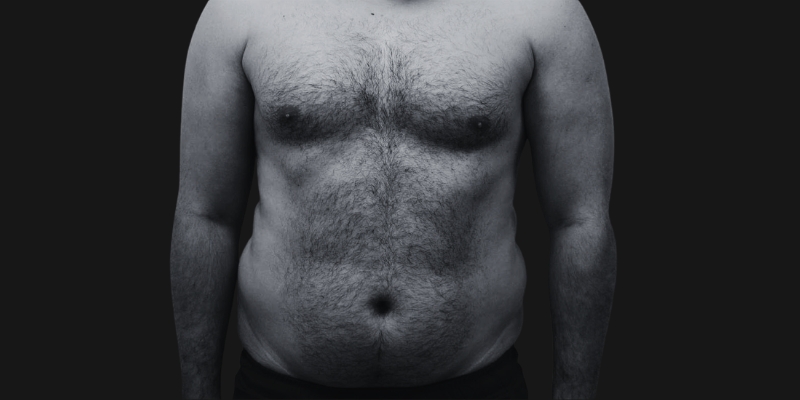
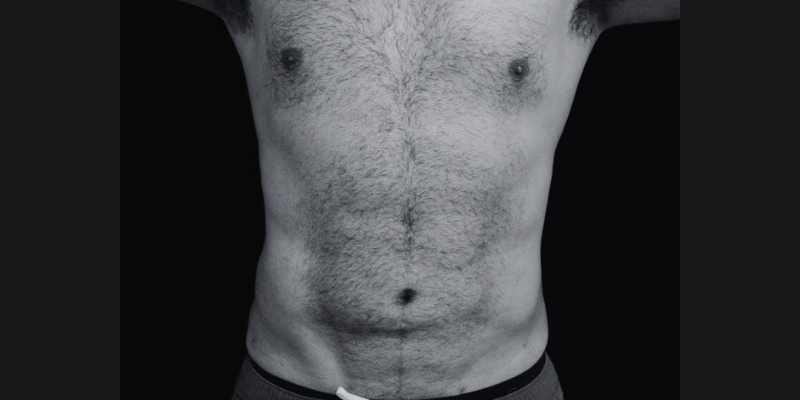
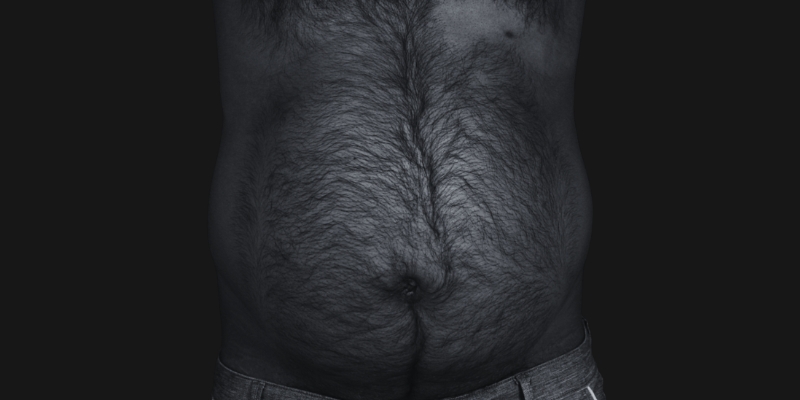
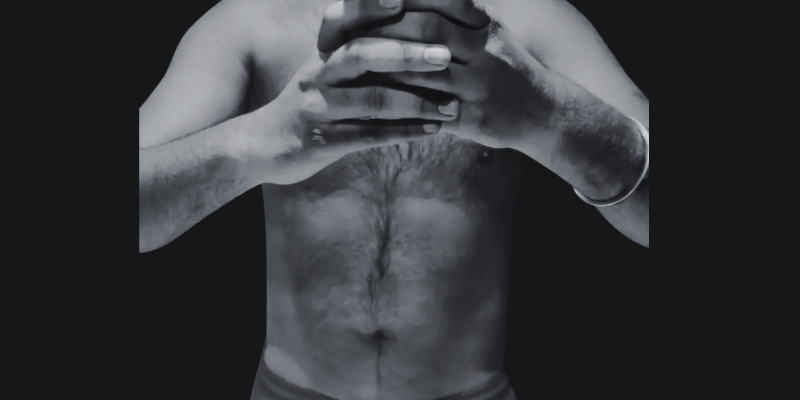
Reverse Tummy Tuck
Before & After
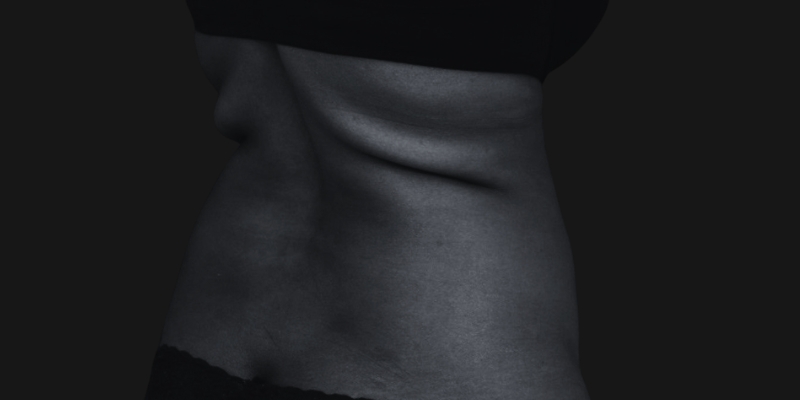
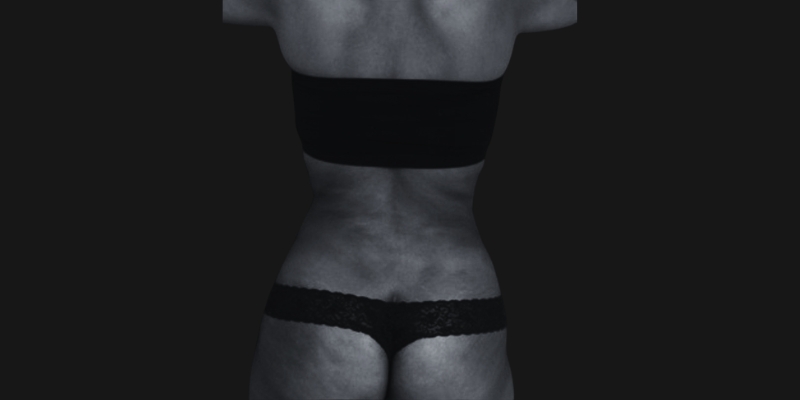
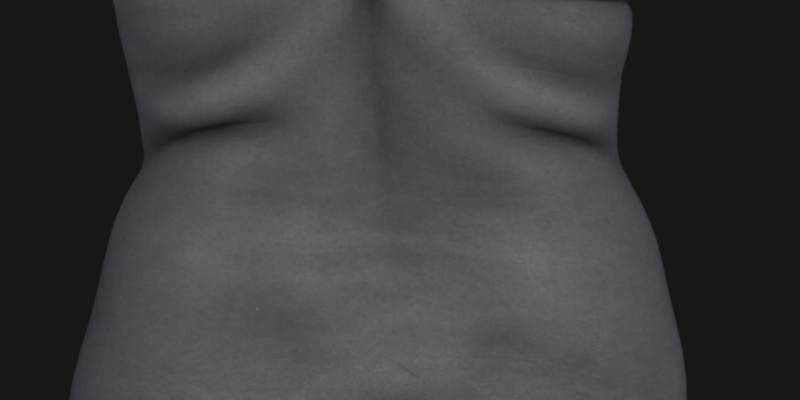
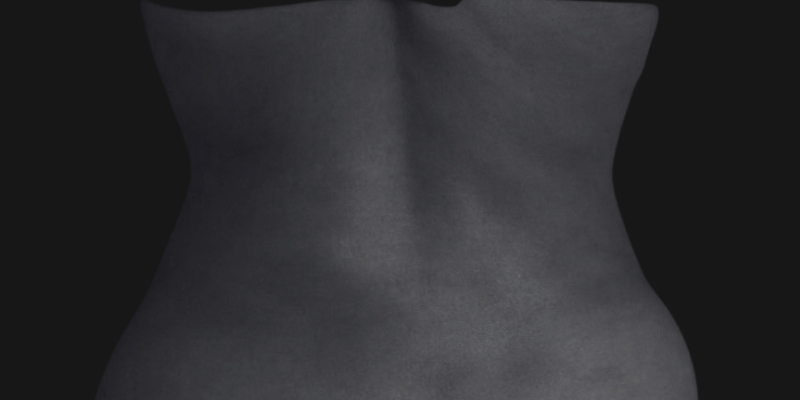
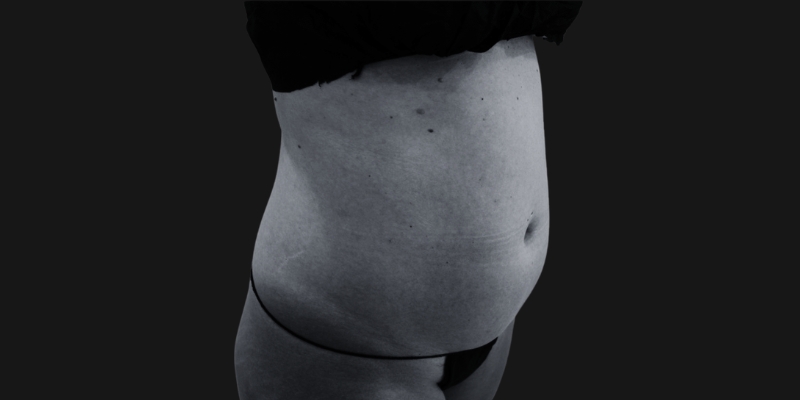
View real transformations that showcase natural definition and proportionate shape enhancement. Each result represents thoughtful contouring, not overcorrection.
Frequently Asked Questions
Why is it called a reverse tummy tuck?
Because the upper abdominal skin is lifted upward, rather than pulled down toward a low tummy-tuck scar.
Where is the scar?
Usually along the lower breast fold in women, or the lower chest fold in men.
Can it correct lower abdominal loose skin?
Not well. Significant lower abdominal laxity needs a conventional tummy tuck.
Can it be performed after a previous tummy tuck?
Yes. Selected patients with leftover upper abdominal laxity are often good candidates.
Can it be combined with Lipo 360?
Yes. I combine it with VASER Lipo 360 when there’s both upper skin looseness and circumferential torso fat.
Will it lift the breasts?
No, it isn’t a breast lift. The scar sits near the breast fold, but breast shape is a separate assessment and may need a separate breast surgeon.
Do you use drains?
In selected cases, yes. It depends on the extent of dissection and what else is being done.
How long is recovery?
Most patients are back at desk work within 7–14 days. Longer if Lipo 360 is added.
Who should not have this operation?
Patients with major lower abdominal excess, unstable weight, unsuitable scars, or anatomy that can’t safely take an upward redraping.
Book a Consultation
If your loose skin sits mainly above the belly button — or stayed there after a previous tummy tuck — book a consultation. I'll assess where the excess really is and whether a reverse tummy tuck, with or without Lipo 360, is the right operation for you.
Medical disclaimer
This page is for general educational purposes and does not replace a personal consultation or medical examination. The correct procedure depends on the location and amount of loose skin, previous scars, abdominal muscle condition, weight stability, general health and individual healing risks. Results, recovery and scar quality vary from patient to patient.