Revision Tummy Tuck In Dubai
“I've already had a tummy tuck, but my abdomen still doesn't look or feel right.”
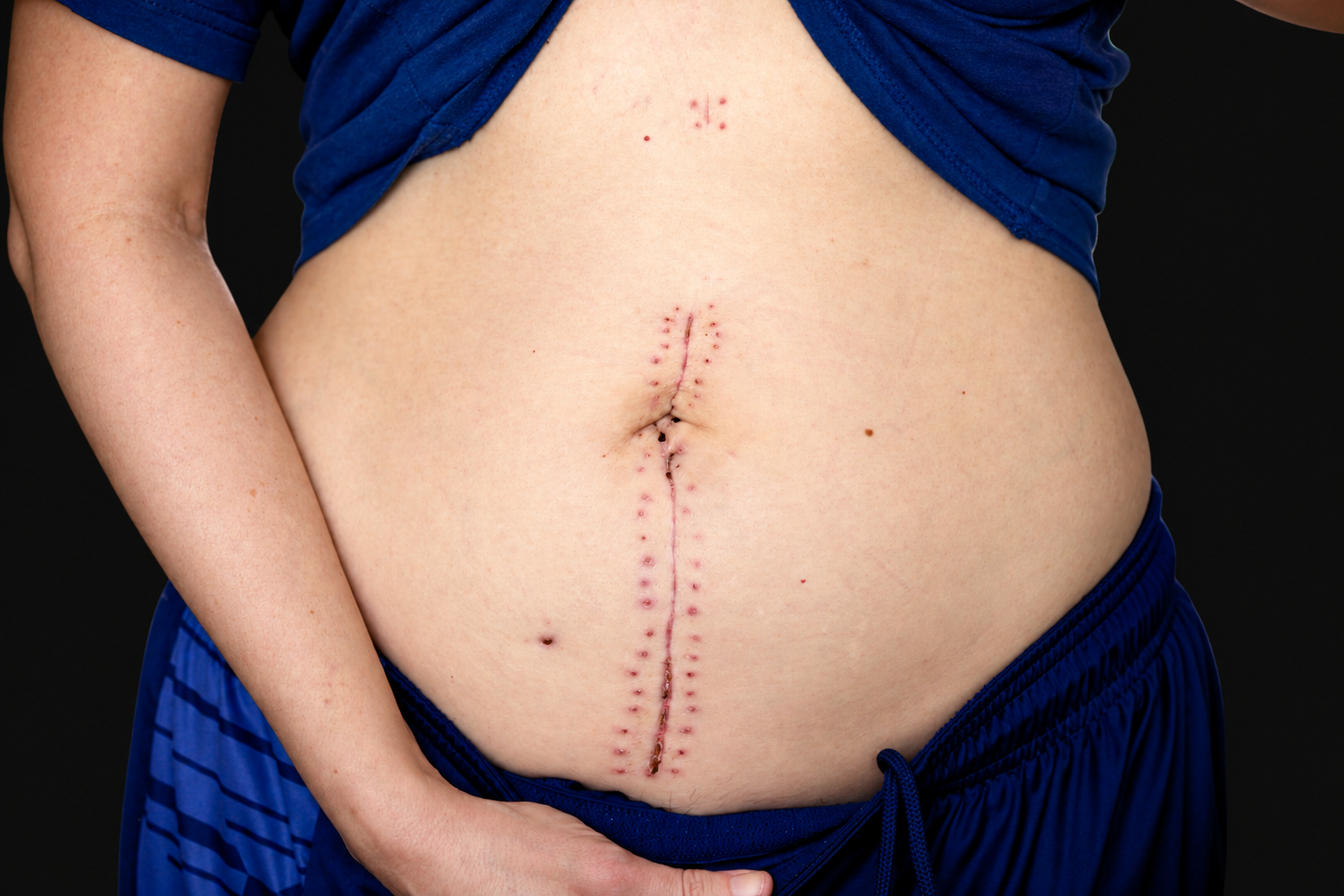
A previous tummy tuck can leave you with loose skin that never went away, a high or uneven scar, an odd-looking belly button, recurrent bulging, a mons that doesn't match the abdomen, leftover flank fullness, or dense scar tissue after liposuction.
More than half of my body-contouring work is revision and correction — so this isn't an occasional sideline in my practice. It's one of the main things I do.
What Is a Revision Tummy Tuck?
A revision tummy tuck corrects what's left over after a previous tummy tuck, liposuction or combined abdominal procedure. That might mean removing more skin, lowering or redesigning the scar, repeating the muscle repair, reshaping the belly button, lifting the mons pubis, correcting flank excess or removing dense fibrosis.
It's rarely the same operation as a first-time tummy tuck. Previous scars change the blood supply and the tissue planes, scar tissue makes dissection harder, and the belly button has often already been moved or detached once.
“i don't start by asking what operation was done. I start by working out whether the problem in front of me now is fat, skin, muscle, scar tissue, or some combination of all four.”


What A Revision Can Address — And Why It's Different
| Problem | Possible Corrective Approach |
|---|---|
| Residual loose skin | Further excision or extension of the existing scar |
| High or uneven scar | Scar lowering or redesign where tissue permits |
| Recurrent bulge | Assessment and repeat repair of diastasis or hernia |
| Belly-button distortion | Umbilical revision or neo-umbilicoplasty |
| Mons imbalance | Mons lift and/or liposuction |
| Dense fibrosis | Direct scar-tissue release or excision with skin repositioning |
| Side folds or dog ears | Scar extension and wider skin removal |
| Upper abdominal looseness | Selected reverse tummy tuck or tailored approach |
Fat can usually be loosened and taken out through a cannula. Scar tissue doesn't behave that way — it's dense, often stuck to the abdominal wall, and it doesn't suction. If there's still fat mixed into fibrosis, revision liposuction can help; but when the deformity is mostly thick scar tissue, passing a cannula through it again just adds trauma. In those cases I go in through a tummy-tuck incision, release or remove the scar tissue, and reposition the skin in a smoother plane. Revision is more complex because the tissue planes are already disturbed and previous scars affect the blood supply — which is why a revision consultation has to be a realistic one.
Cost, Duration & Hospital Stay
| Procedure | Information |
|---|---|
| Starting Cost | AED 50,000 + 5% VAT |
| Surgery Duration | Approximately 3–4 hours |
| Hospital Stay | Usually 1 night |
All prices are starting estimates and exclude 5% VAT. The final quotation is confirmed after examination and may change with surgical complexity, previous operations, additional liposuction, hospital requirements or combined procedures.
Why Choose Dr. Hardik Ganatra For A Revision Tummy Tuck?
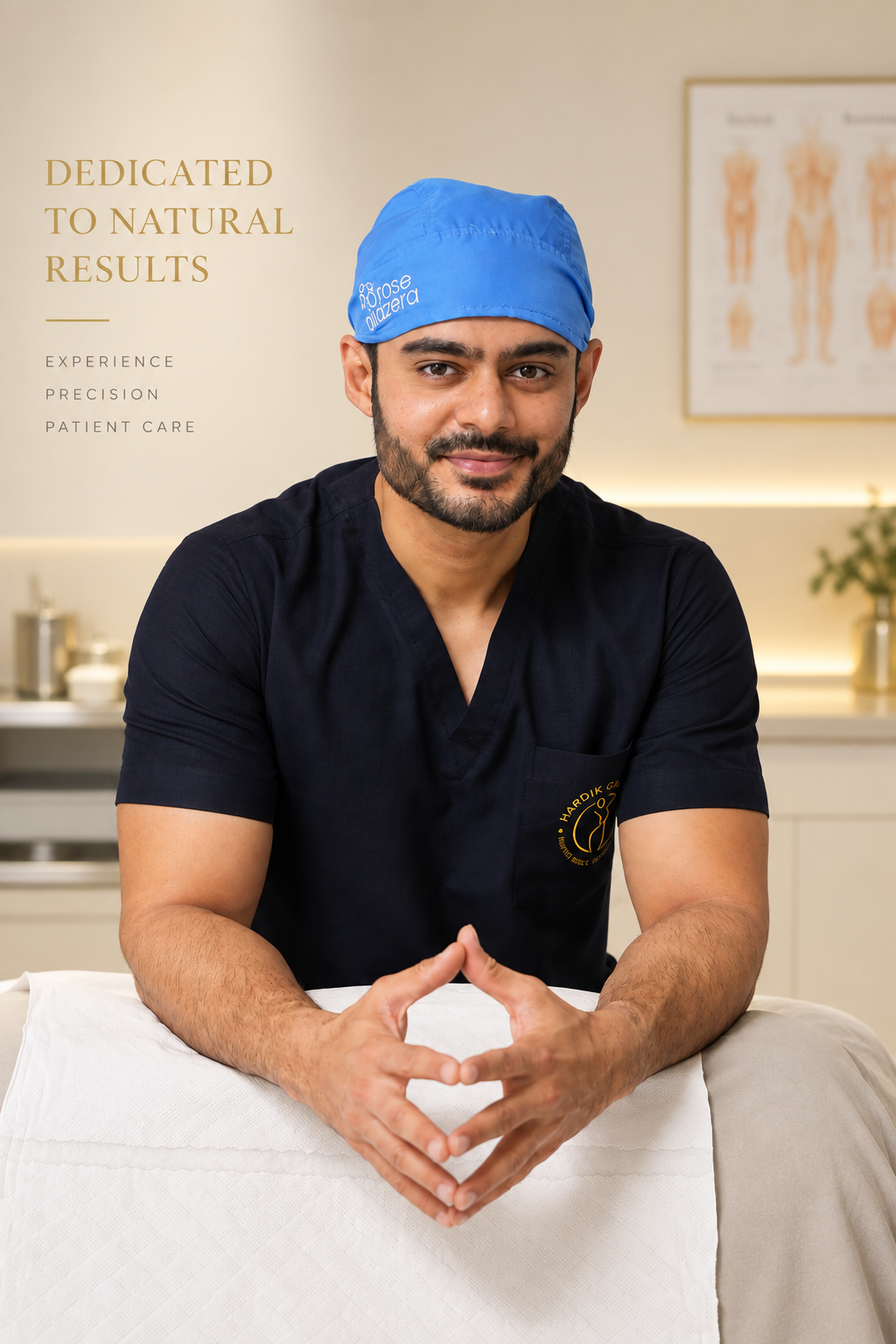
More than half of my work is revision and correction: revision liposuction, post-liposuction irregularities, revision tummy tucks. That volume has taught me that “failed tummy tuck” is usually too blunt a description — there are normally several separate problems, and each one needs its own solution.
I work exclusively in body contouring. As a recreational natural bodybuilder, I know how a fit abdomen, waist and torso should look, at rest and in movement — that's what I use to spot where a previous correction was incomplete, overdone, uneven, or simply out of proportion with the rest of the body.
Safe surgery, strong aesthetic results, close post-operative care and honest guidance. I'll tell a patient when revision can make a real difference — and when tissue damage, scarring or anatomy means a perfect correction isn't on the table.
Are You A Good Candidate ?
Patients usually come for revision when:
- Not enough skin was removed, so the lower abdomen is still loose
- The scar sits too high, or it's asymmetric or widened
- The belly button looks round, flat, stretched or obviously operated on
- The mons pubis is still bulky or low, and doesn't match the flatter abdomen above it
- Muscle separation wasn't repaired properly, or it's come back
- Fat is still sitting at the waist, flanks or upper abdomen, or there's hard fibrosis after liposuction
- A short scar left dog ears, or weight/pregnancy changed things again
Before Your Surgery
I review the previous operation, the scars, the photographs and whatever records exist, then examine the abdomen standing, lying down, with the muscles tightened, and moving. The key step is separating the problems out — skin, fat, muscle, belly button, mons, scar tissue — because “failed tummy tuck” is usually several issues at once. The consultation is a realistic one: the aim is meaningful improvement, not pretending that operated tissue behaves like tissue nobody has touched.
How I Perform the Procedure?
Revision surgery is performed under general anaesthesia in a hospital, usually over 3–4 hours depending on the extent of correction. Because previous surgery has altered the tissue planes, scar tissue and blood supply, each step is planned around what the anatomy will safely allow — not what a first-time tummy tuck would do.
Assessment of previous scars
decide which existing scars can be reused, extended, lowered or removed, and which need to stay as they are to protect blood supply
Careful re-entry through the old incision
dissection is slower than in first-time surgery because scar tissue distorts the normal planes; I stay above the muscle where possible to protect circulation
Fibrosis release or excision
dense scar tissue that won’t respond to suction is released or excised directly through the tummy-tuck incision, then the skin is repositioned in a smoother plane
Revision liposuction where appropriate
any residual fat mixed into softer tissue is treated with fine cannulas, kept conservative to avoid adding trauma
Muscle repair
recurrent diastasis or new muscle separation is repaired with permanent internal sutures; hernias are addressed at the same time if present
Belly-button correction
the umbilicus is reshaped, revised, or a new one is created (neo-umbilicoplasty) depending on the previous surgery and remaining blood supply
Mons pubis rebalancing
if the mons sits too low or bulky compared to the flatter abdomen above, it’s lifted and reduced to restore proportion
Scar redesign and closure
the final scar is planned to sit as low as the tissue allows, closed in layers, with attention to reducing tension at previously problematic areas
Staging when needed
if doing everything in one operation would push the risk too high (long operating time, compromised blood supply, patient health), I stage the procedure across two separate surgeries rather than force it into one

Recovery & Aftercare
Recovery depends entirely on how much correction is involved — a small scar revision is a different proposition from a full re-dissection with muscle repair and fibrosis removal. Patients with dense scar tissue or a history of wound-healing problems need closer, longer follow-up.
- One night in hospital, usually
- Desk work commonly takes around two weeks, sometimes longer
- Compression and binder use tailored to the operation
- Massage starts only once the tissues and incisions are ready for it
- Scar treatment planned early, given the history of surgery and often of difficult scarring
Revision carries the general risks of tummy tuck surgery, plus greater concern about blood supply, delayed healing, skin loss, recurrent scar tissue, not being able to lower the scar as far as we'd like, belly-button compromise and the possibility of needing further correction. Patients with keloidal or excessive scarring tendencies need particularly honest counselling first.
Revision Tummy Tuck
Before & After
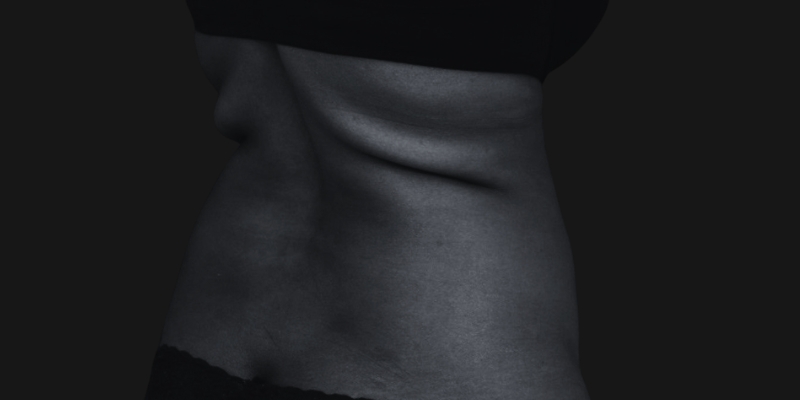
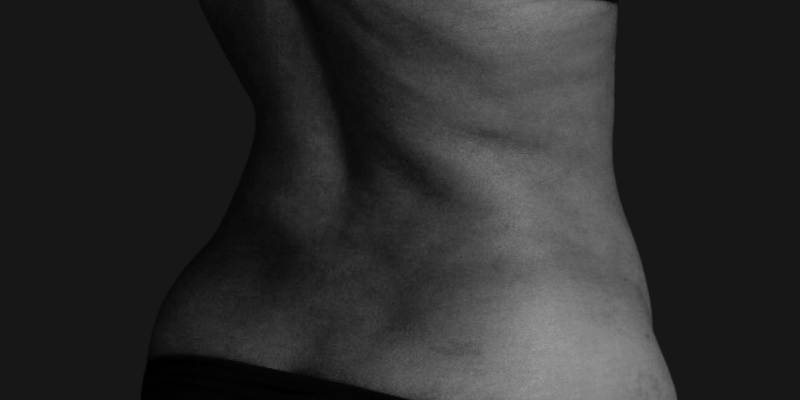
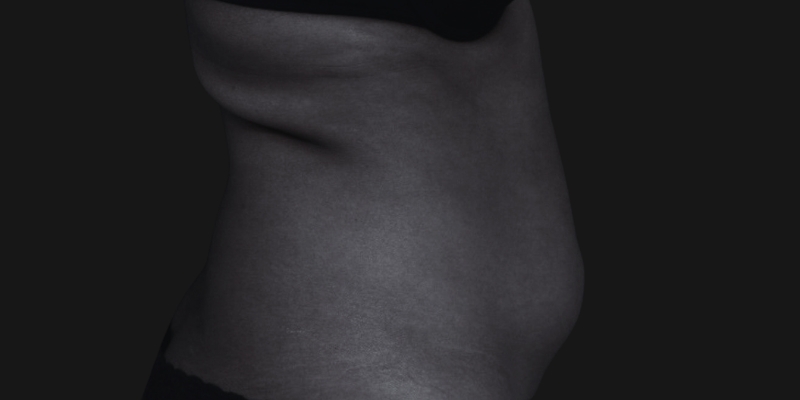
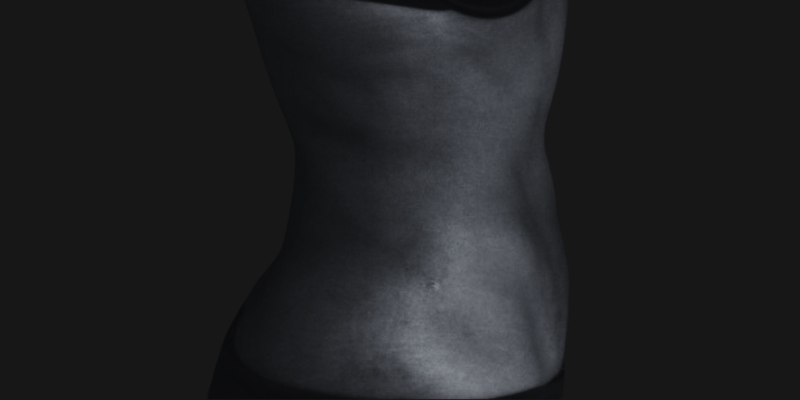
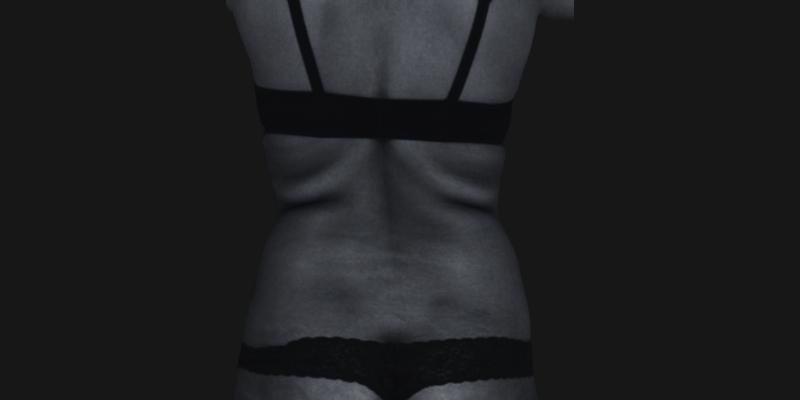
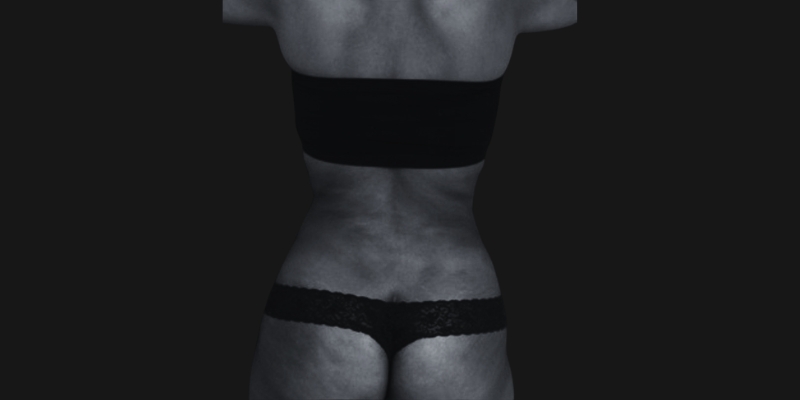
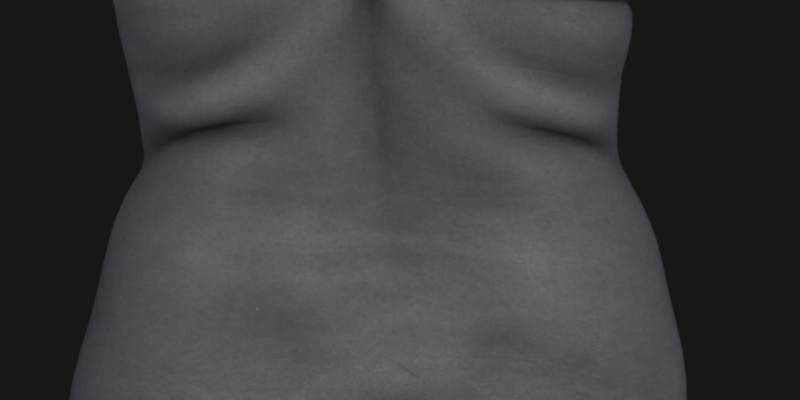
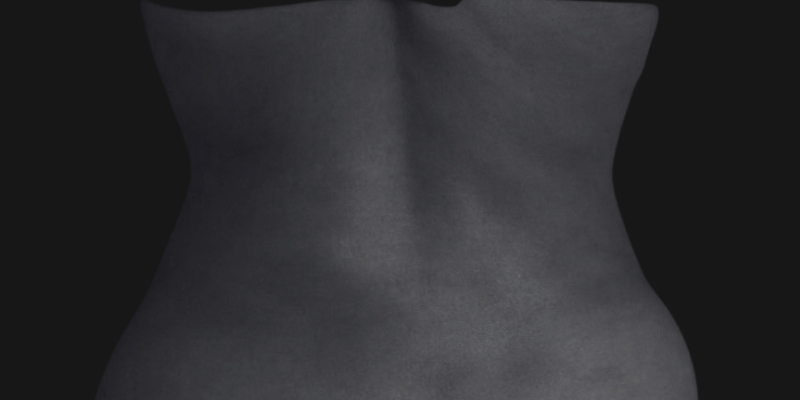
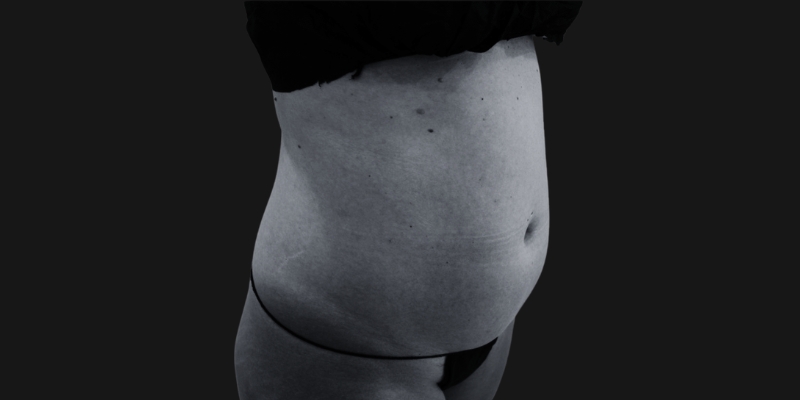
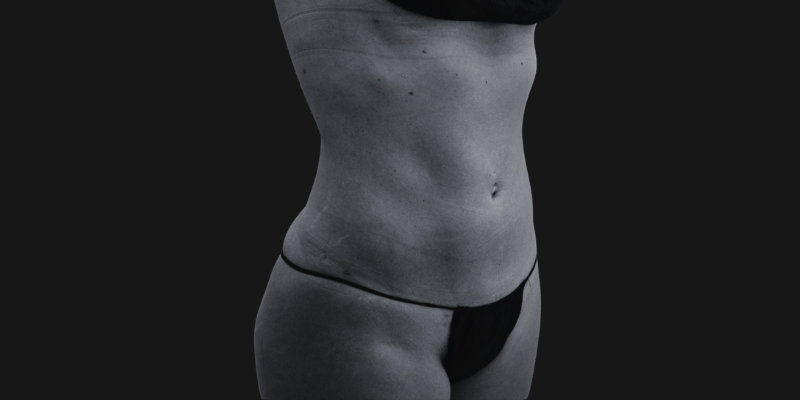
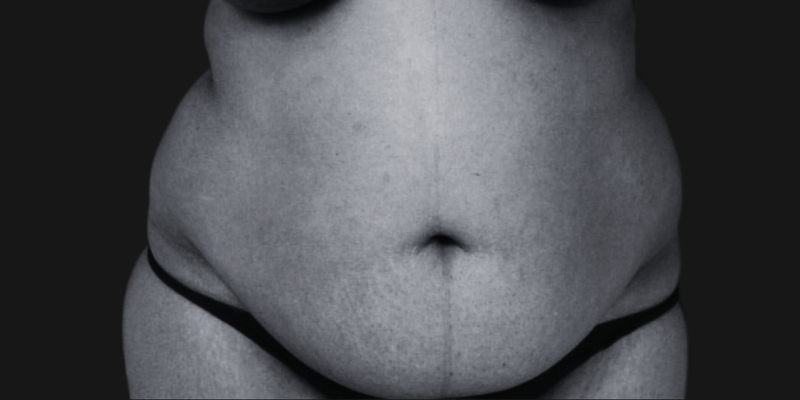
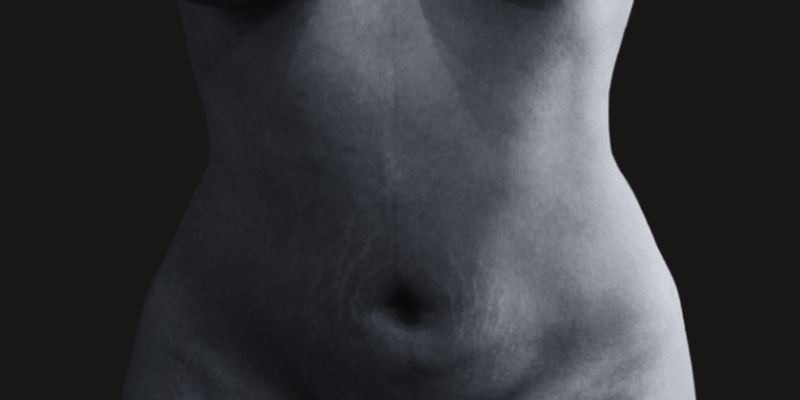
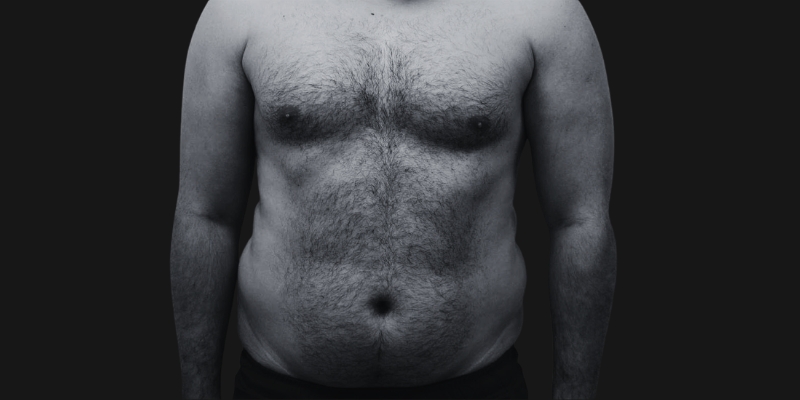
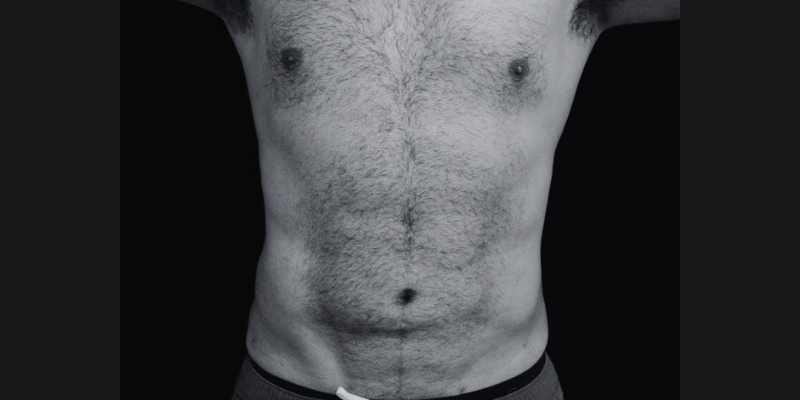
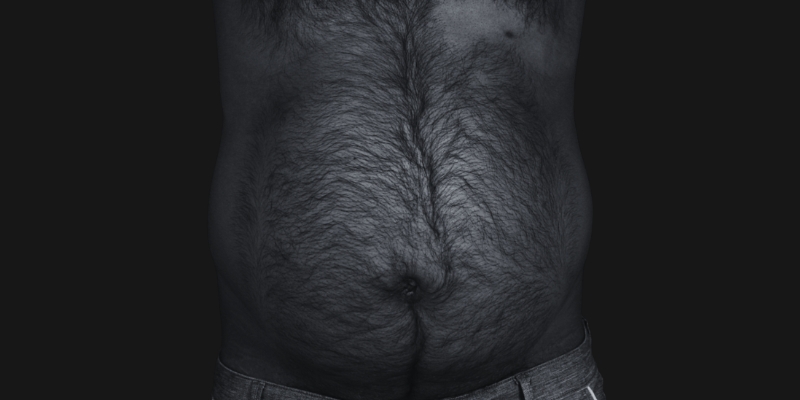
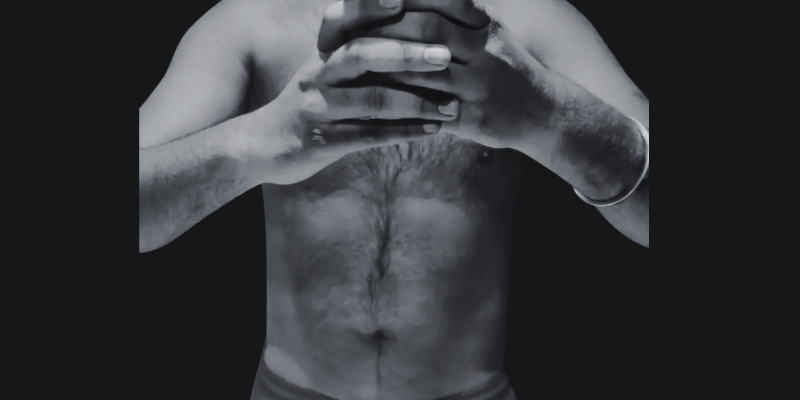
View real transformations that showcase natural definition and proportionate shape enhancement. Each result represents thoughtful contouring, not overcorrection.
Frequently Asked Questions
How soon after my first tummy tuck can I have a revision?
Usually it’s worth letting swelling settle and scars mature first, unless there’s something medically urgent. The timing depends on the problem and on how the first operation healed.
Can you lower a high tummy-tuck scar?
Sometimes. How much loose skin is left and where the belly button sits are what decide how far the scar can safely come down.
Can you make my belly button look more natural?
Often, yes. Options include scar revision, reshaping, or creating a new belly button, depending on the previous surgery and the blood supply.
Can recurrent diastasis be repaired again?
Yes, once we’ve confirmed whether the bulge is recurrent muscle separation, a hernia, residual fat or something else entirely.
Can fibrosis be suctioned out?
Fat mixed into fibrosis can often be treated with revision liposuction. Dense scar tissue usually needs direct release or excision.
Will revision remove all irregularities?
Not always. Previously damaged tissue has permanent limitations sometimes. I aim for meaningful improvement and i’m clear about what’s likely to remain.
Why is revision more expensive than a simple scar correction?
Because it can involve longer dissection, fibrosis removal, muscle repair, belly-button reconstruction and careful handling of an altered blood supply.
Can you revise surgery done abroad?
Yes. Where the original surgery happened matters far less than the anatomy in front of me now, the records available, and whether a safe correction is possible.
Book a Consultation
If your abdomen still doesn't look or feel right after a previous operation, book a consultation. I'll separate out what's actually wrong — skin, fat, muscle, scar tissue — and tell you honestly what a revision can and can't achieve for you.
Medical disclaimer
this page is for general educational purposes and does not replace a personal consultation or medical examination. The correct procedure depends on the location and amount of loose skin, previous scars, abdominal muscle condition, weight stability, general health and individual healing risks. Results, recovery and scar quality vary from patient to patient.