Skin Burns After Liposuction: What I Look For and How I Treat Them
A skin burn after liposuction is uncommon, but when it happens, it needs to be recognised early and managed patiently.
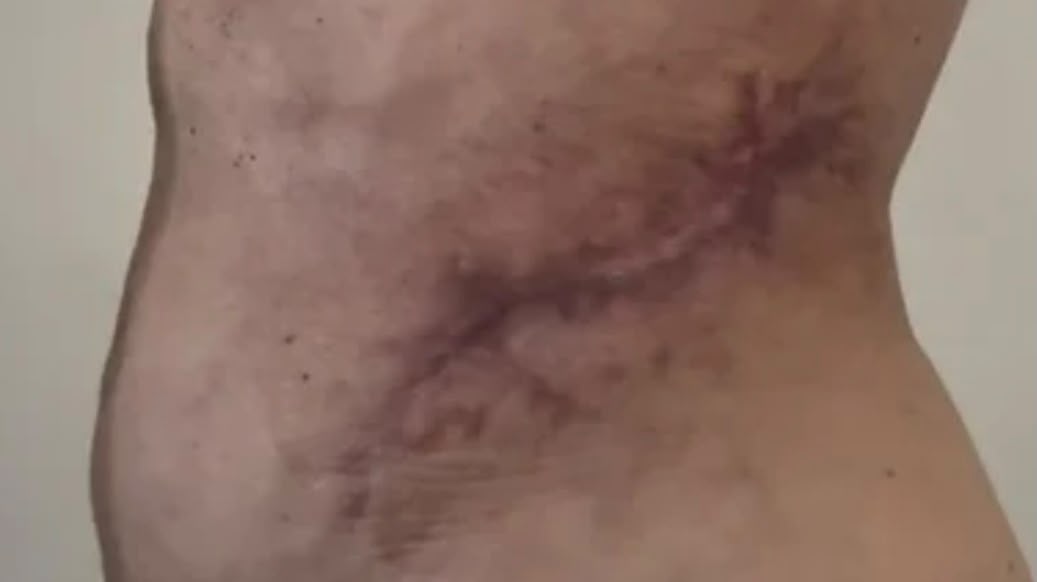
Sometimes, a patient comes to me after liposuction because they have noticed a dark patch on the skin. They are often told it is just bruising, but they are worried because it looks darker, feels different, or is not improving in the way a normal bruise should.
My first job is to work out exactly what it is.
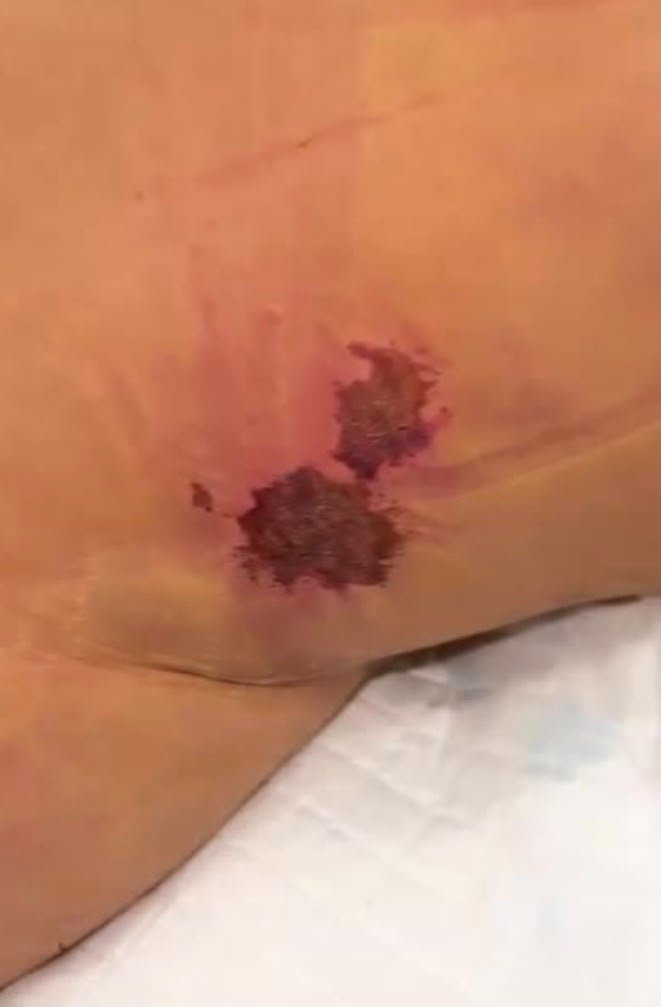
A normal bruise after liposuction can look purple, blue, green or yellow. It should gradually change colour and become lighter over time. A skin burn is different. It may first look like a deep bruise, but it often stays dark, becomes darker, develops blisters, or starts to look dry, leathery or black. Sometimes the area may be very painful. At other times, it can feel unusually numb.
What is a skin burn after liposuction?
A skin burn means that heat has injured the skin and, sometimes, the small blood vessels beneath it that keep the skin alive.
When the blood supply to the skin is affected, the skin may struggle to heal. In more severe cases, part of the skin can lose its blood supply completely and become non-viable. This is called skin necrosis.
Not every dark patch is skin necrosis. It may be bruising, a superficial burn or an area where the skin circulation is temporarily affected. But this distinction matters, which is why I prefer to examine the patient early rather than simply wait and hope it improves.
How can a skin burn happen?
There are three common ways.
1. Heat from an energy-based device
VASER and Renuvion/J-Plasma can be excellent tools when used correctly. They can help with fat emulsification, contouring and skin contraction. However, both create heat. If the device settings are inappropriate, if too much energy is used in one area, or if treatment is performed too close to the skin, the skin can be injured.
Technology is useful, but technique always matters more than technology.
2. Liposuction performed too close to the skin
The blood supply of the skin sits in the layer just beneath it. If liposuction is too aggressive in this superficial layer, the small blood vessels that nourish the skin can be damaged.
This is why I avoid repeated aggressive passes in the same area and always try to preserve a protective layer under the skin. As a personal practical rule, I aim to leave at least around 5 mm of tissue below the skin.
3. Heat applied after surgery
After liposuction, the skin can remain numb for some time. A heating pad, hot compress, sauna, steam room or heated massage can cause a burn because the patient may not feel that the temperature is too high.
I advise my patients not to apply external heat to treated areas during recovery, especially while sensation is reduced.
What do I look for during a consultation?
When I see a patient with a possible skin burn, I look at:
- The colour of the area and whether it is getting lighter or darker.
- Whether there are blisters, skin breakdown, drainage or a leathery surface.
- How the skin feels: soft, hard, dry or unusually numb.
- The area’s blood supply and healing potential.
- Whether there has been VASER, Renuvion/J-Plasma, external heat, tight garments or focal pressure.
- Nicotine use, diabetes, previous scars and other healing risk factors.
A photograph can be useful for following progress, but it does not replace examining the skin in person.
How do I treat a skin burn after liposuction?
Treatment depends on the depth of the injury. There is no single dressing or treatment that is right for every patient.
If the burn is superficial or partial-thickness
If the skin is still viable and the injury is superficial or partial-thickness, I usually manage it conservatively.
In my practice, this means:
- MEBO over the affected area.
- A non-adherent gauze dressing.
- Moist wound healing.
- Regular review to make sure the area is improving.
The dressing should protect the area without sticking to fragile skin. I do not want patients scrubbing the area, peeling blisters or applying random creams and home remedies.
If the burn is deeper or full-thickness
If there is a deeper injury, the treatment needs more patience. In selected full-thickness burns, I use hyperbaric oxygen therapy to support blood supply and healing.
My usual protocol is:
- 10 consecutive daily sessions
- 60 to 90 minutes per session
This is not something I use routinely for every partial-thickness burn. It is reserved for deeper skin injury where I feel the tissue needs more support.
I also prefer not to rush into cutting away skin too early. In the first few days, the skin may continue to declare itself. Some areas that initially look concerning can improve, while other areas may become more clearly non-viable.
Once the area has fully demarcated, I decide whether it is best to continue conservative wound care or carefully remove the non-viable skin. If closure is needed, I prefer to do it only when the surrounding skin is soft, settled and mobile enough to close without tension.
What can happen after the burn heals?
Many superficial injuries heal well with time and careful treatment. The most common lingering issue after a healed burn is pigmentation. The area may remain darker than the surrounding skin for some time, particularly in patients with more pigment-rich skin.
Treating pigmentation and scars after a skin burn
This pigmentation can fade slowly over months. Once the skin is fully healed and stable, I may consider:
- A pigment-control skincare programme.
- Sun protection.
- IPL or selected depigmentation lasers.
- Other scar or pigmentation treatments, depending on the skin type and final appearance.
These treatments can improve pigmentation, but I always explain that they may not remove it completely. In some skin types, aggressive laser treatment can itself worsen pigmentation, so timing and settings matter.
Deeper burns may also leave:
- A scar.
- A textural change.
- Skin tightness.
- A dent or contour irregularity.
- A lighter or darker patch of skin.
These are not always permanent, but I prefer to let the tissue settle before deciding whether any further treatment is required.
Can a skin burn be prevented?
Most of the time, yes. Prevention is always better than treatment. In body contouring, technique always matters more than technology.
From the surgical side
- Safe settings and careful use of energy devices.
- Avoiding aggressive superficial liposuction.
- Protecting the blood supply under the skin.
- Avoiding repeated treatment in the same thin layer.
- Respecting healing risk factors such as nicotine use and previous scars
From the patient side
- No heating pads or hot compresses.
- No sauna or steam during early recovery.
- No heated massage.
- Wearing compression garments correctly.
- Reporting focal pressure, dark patches, blisters or worsening pain early
- Avoiding nicotine during the healing period.
When should you contact your surgeon urgently?
Please contact your treating surgeon promptly if you notice:
- A dark patch that is becoming darker
- Blisters
- Grey or black skin.
- Increasing pain or unusual numbness
- Drainage, bad smell or fever
- Rapidly spreading redness.
- A garment causing focal pressure or pain.
Early review gives us the best opportunity to protect the skin and guide healing properly.
Education notice
This article is for education and does not replace an in-person assessment. If you have a concerning area after liposuction, please contact your treating surgeon or seek urgent medical care as appropriate.
About the Author
Dr Hardik Ganatra is a plastic surgeon in Dubai whose practice is focused exclusively on body contouring, including VASER liposuction, revision liposuction, Renuvion/J-Plasma, tummy tuck and fat transfer procedures. His approach focuses on careful patient selection, safe technique and long-term outcomes.